 Save
Save My first winter in a draughty cottage in the Valleys, I was unprepared for how deep the cold could settle into stone walls. A neighbor appeared at the door with a pot of cawl, steam rising from under the lid, and I understood then why this stew had sustained Welsh families for centuries. The lamb had been simmering for hours, turning impossibly tender, and when I lifted a spoonful to my mouth, the warmth spread through me like a quiet promise. It wasn't fancy—just meat, vegetables, and time—but it felt like the most generous thing anyone had ever made.
I made this for my partner's parents the first time they visited, nervous and overcompensating with attention to every detail. Halfway through cooking, I stopped stirring and just stood there breathing in the steam—carrots, leeks, lamb fat, something ancient and grounding. When they took their first bite, my mother-in-law closed her eyes, and her husband asked for seconds before finishing his first bowl. That's when I realized cawl isn't about impressing anyone; it's about feeding people in a way that says you've been thinking about their comfort.
Ingredients
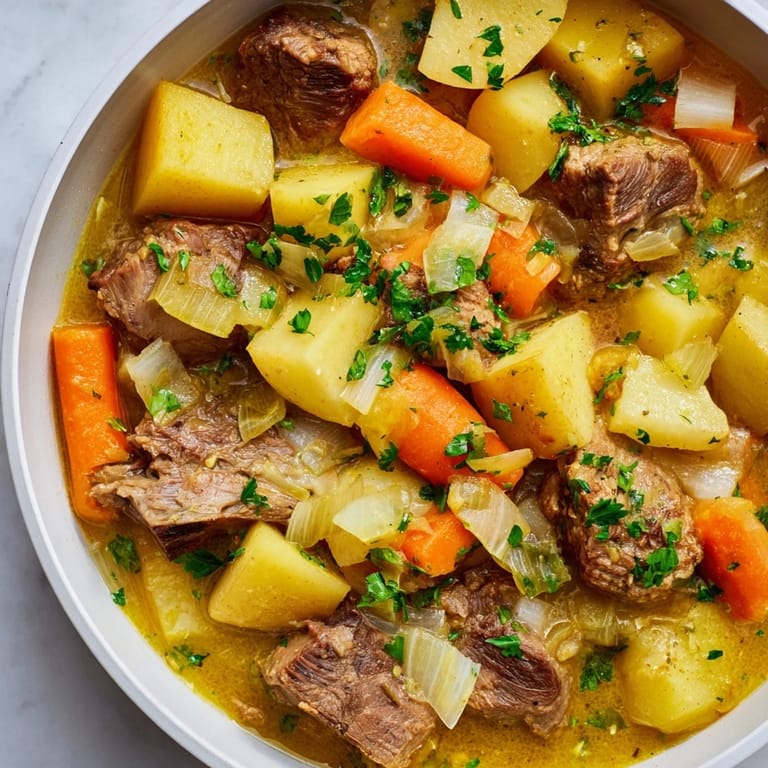
- Lamb shoulder, 1 kg cut into large chunks: Bone-in pieces break down into gelatin that thickens the broth naturally and tastes infinitely better than boneless cuts—don't skip this.
- Carrots and parsnips, 2 each sliced: These sweet roots balance the richness of the lamb and dissolve slightly at the edges, thickening everything.
- Potatoes and swede, diced: The potato crumbles and thickens the broth while the swede adds an earthy sweetness that rounds out the whole pot.
- Leeks, 2 sliced (reserve a handful): Adding them in stages means some break down into the broth while the reserved ones stay tender, giving you texture contrast.
- Onion, 1 medium diced: It disappears into the background but does the real work, sweetening and deepening everything.
- Stock, 1.5 liters: Use lamb if you can find it; chicken works but lamb speaks the language this dish was born in.
- Bay leaves, parsley, salt and pepper: Bay leaves perfume the whole pot; parsley brightens it at the very end so it doesn't taste cooked to death.
Tired of Takeout? 🥡
Get 10 meals you can make faster than delivery arrives. Seriously.
One email. No spam. Unsubscribe anytime.
Instructions
- Sear the lamb briefly:
- Place lamb chunks in your largest pot and cover with cold stock. Bring it to a rolling boil, and you'll see grey foam rise to the surface—skim it away with a spoon until the broth runs clear. This isn't fussy; it's just cleaning up so your final stew tastes clean and pure.
- Simmer the lamb low and slow:
- Add bay leaves, drop the heat to a gentle simmer, cover the pot, and walk away for an hour. The lamb should be so tender it falls apart when you look at it sideways.
- Build the broth with vegetables:
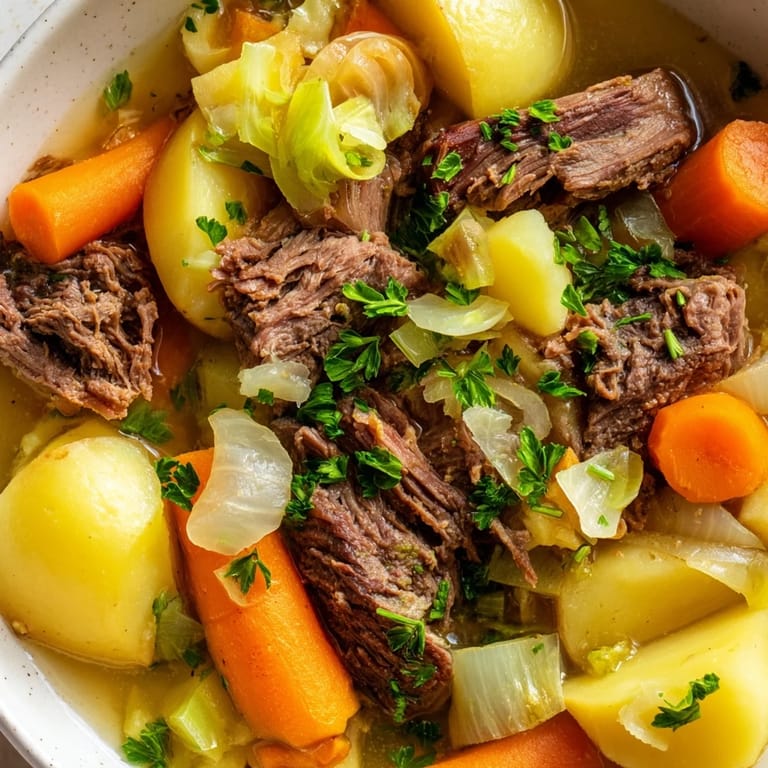
- Toss in carrots, parsnips, potatoes, swede, onion, and most of the leeks (but hold back a handful). Season generously and let it bubble gently for 45 minutes until the vegetables soften and the flavors marry.
- Finish and brighten:
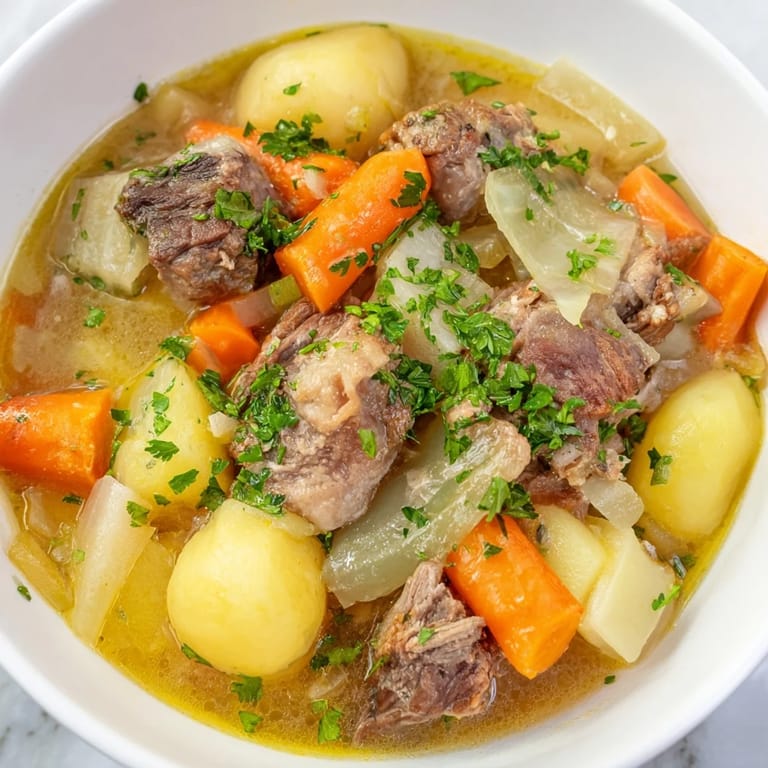
- Scatter in the reserved leeks and fresh parsley, simmer just 10 more minutes so the parsley stays green and alive. Taste and adjust salt and pepper, then remove the bay leaves.
 Save
Save My daughter was two when she first tried this, and she kept asking for more spoonfuls in that determined way toddlers do. Watching her eat something so old, so intentional, so rooted in a place I'd learned to love, I felt something shift. Food can be a bridge—not just between you and the past, but between you and the people you're becoming.
Why Cawl Has Lasted Centuries
In Wales, cawl wasn't made because it was fashionable; it was made because a tough cut of lamb, root vegetables that winter stored easily, and time in a pot over a fire turned survival into something worth gathering around. The genius of cawl is that it doesn't ask you to be a fancy cook—it asks you to be patient and to believe in the value of simple ingredients treated well. Every Welsh household has their own version, tweaked for what grows in their soil and what they could afford, which means there's no wrong way to make it, only your way.
The Leek Question (Because It Matters)
Leeks are personal in Welsh cooking, almost sacred. I learned the hard way that if you dump all your leeks in at the beginning, they disintegrate into the broth and you lose the chance to taste them as something distinct and textured. Now I split them—most go in early to flavor everything, and a handful goes in at the very end so you get that gentle bite and slight crunch. It's a small choice that transforms the whole experience of eating the finished bowl.
Serving and Keeping
Cawl is comfort without apology, so serve it steaming in deep bowls with thick bread for soaking up every drop. If you have Welsh cheese—Caerphilly is traditional, crumbly and bright—a wedge on the side is not fancy but functional, melting slightly into the warmth. Leftovers live in the fridge for four days and reheat beautifully; in fact, they taste better, so make extra and thank yourself tomorrow.
- Skim carefully at the start so your broth stays clean and clear.
- Don't rush the cooking—the two hours aren't about time, they're about transformation.
- Taste as you go because your salt and your pepper are the only thing you control at the end.
 Save
Save There's something about a bowl of cawl that feels like a conversation you've been having with generations of people you'll never meet. Make it when you want to feed someone, when you need feeding yourself, or when the weather turns and your bones remember they're made of the same stuff as the earth.
Recipe FAQs
- → What cut of meat works best for this stew?
Lamb shoulder with bone-in is ideal as it adds flavor and tenderizes beautifully with slow cooking.
- → Can I use other vegetables besides the suggested ones?
Root vegetables like carrots, parsnips, and potatoes are traditional, but you can also try swede or turnip for similar earthiness.
- → How long should I simmer the stew for best flavor?
Simmer gently for about 2 hours to allow the meat to become tender and vegetables to absorb the broth's richness.
- → Is it necessary to use bone-in lamb?
Using bone-in lamb enhances depth of flavor, but boneless cuts can work if preferred.
- → How can I store leftovers?
Refrigerate in an airtight container and reheat gently; flavors improve after a day.
- → What seasonings complement this dish?
Bay leaves, parsley, salt, and freshly ground black pepper provide traditional seasoning without overpowering.