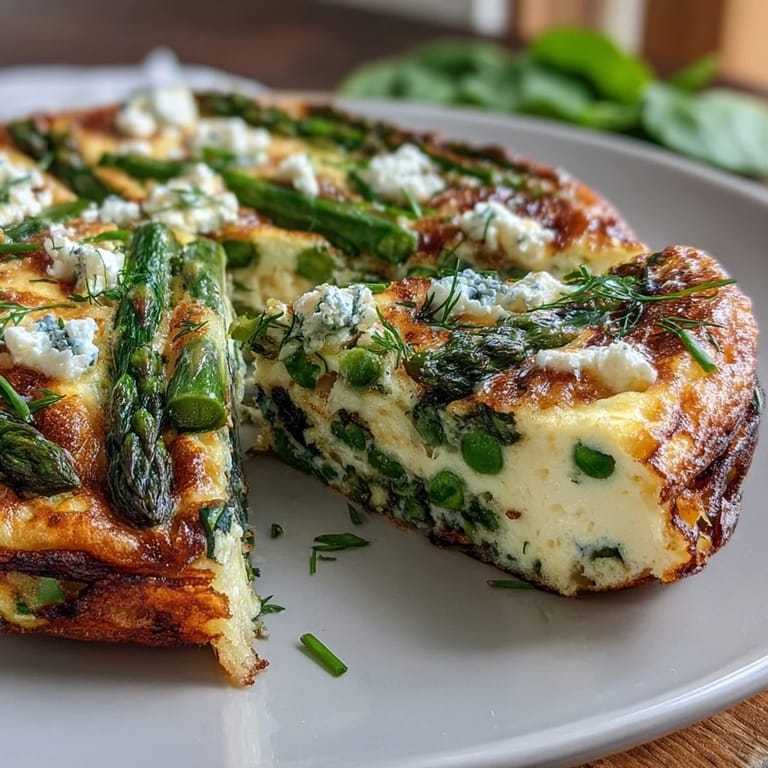
 Save
Save One afternoon last April, as tiny green shoots pushed through my backyard herb bed, I found myself craving something vibrant and satisfying. The scent of freshly clipped chives still clung to my fingertips as I gathered eggs and goat cheese from the fridge, piecing together a plan for brunch. I hadn't meant to make anything special, but the combination just felt right for the season. It's funny how a simple pantry raid can lead to a meal that feels almost celebratory. Making a spring frittata became a moment of improvisation that now signals the shift from chilly mornings to mild, sunny afternoons.
I remember serving this frittata to my neighbor after a garden cleanup, both of us flecked with leaf bits and mud. We laughed about our questionable asparagus-trimming technique, pausing over the skillet as the greens wilted and steam lifted. Sharing slices straight from the pan felt informal, just right for tired hands and cheerful spirits. The first forkful was so light it surprised us — somehow, brunch tasted cleaner and brighter than usual. Since then, it's become my go-to dish when the urge for a communal, fuss-free meal hits.
Ingredients
- Asparagus: Choose slender stalks and cut just above the woody end for a tender bite and a gentle crunch.
- Peas: Fresh peas are sweet and pop brightly, but frozen peas work well; just rinse them first for even cooking.
- Baby spinach: Roughly chopping makes it easier to distribute throughout the frittata and lets it wilt quickly.
- Spring onions: Thin slices melt into the eggs for subtle onion flavor without overpowering.
- Eggs: Crack them into a bowl and whisk well to achieve a fluffier texture — don't skimp on this step.
- Whole milk or cream: Adds richness and helps the frittata set softly; cream makes it silkier.
- Goat cheese: Crumble generously for little pockets of tang in every slice; it doesn't melt but softens beautifully in the oven.
- Unsalted butter: Melts smoothly and infuses both veggies and eggs with flavor; watch that it doesn't brown too quickly.
- Fresh chives: Stir in just before baking for an aromatic lift that pairs well with goat cheese.
- Fresh dill or parsley: Either herb brings herbal brightness; chop fine so it folds in with every bite.
- Salt & freshly ground black pepper: Always taste and adjust — seasoning can make or break the frittata.
Tired of Takeout? 🥡
Get 10 meals you can make faster than delivery arrives. Seriously.
One email. No spam. Unsubscribe anytime.
Instructions
- Prep the Oven:
- Set your oven to 375°F (190°C), and feel the warmth start to fill the kitchen — spring sunlight helps but isn't required.
- Sauté Spring Veggies:
- Melt butter in your oven-safe skillet, listening for its gentle hiss. Add asparagus, peas, and onions; let their colors brighten and their aromas lift as you stir for a few minutes, then fold in the spinach until it wilts and turns glossy.
- Whisk Eggs and Herbs:
- Combine eggs, milk or cream, chives, and dill or parsley in a mixing bowl. Whisk with purpose until no streaks remain, salt and pepper added for balance.
- Pour and Set:
- Pour your egg mixture over the veggies in the pan, letting it cascade and fill every nook. Watch as the edges begin to set and resist poking at it, even if it's tempting.
- Crumble Goat Cheese:
- Scatter the goat cheese gently over the top so you'll find little creamy islands in every slice.
- Bake to Perfection:
- Move the pan to the oven and let the frittata puff and lightly brown. It should jiggle in the center but not look wet — 10 to 12 minutes usually does the trick.
- Cool and Serve:
- Let it rest for 5 minutes, then run a spatula around the edge and cut into wedges. Serve warm or at room temperature, and enjoy the herbaceous aroma that fills the space.
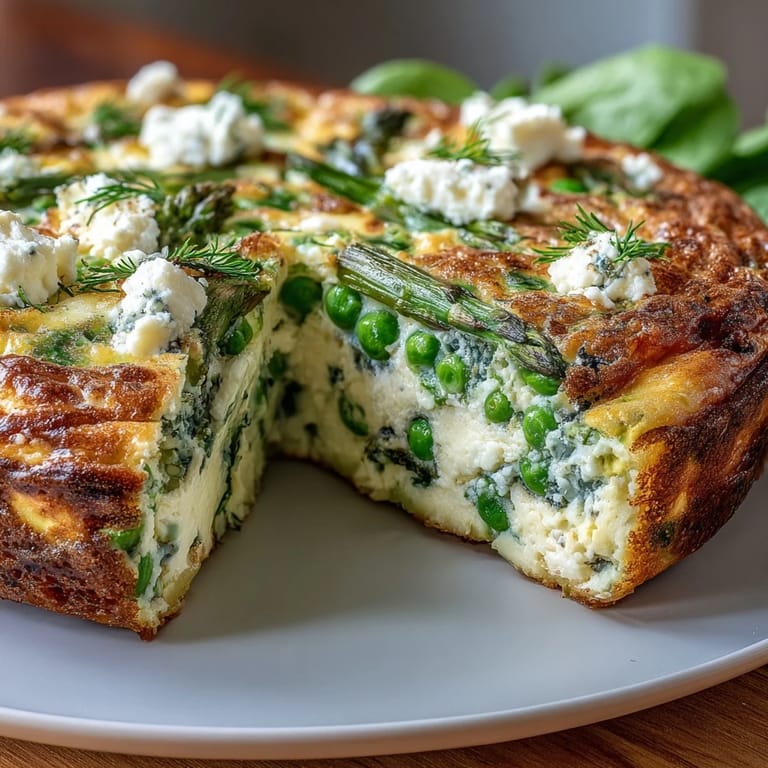 Save
Save Eating a slice of this frittata outside with friends, everyone chasing stray peas across their plates, I realized it was more than brunch — it was an invitation to linger. That day, the meal stretched into afternoon as conversation meandered and laughter mingled with birdsong.
How To Make Your Frittata Extra-Fluffy
Whisking the eggs relentlessly introduces air and helps them puff up, making the frittata delightfully light. Using cream instead of milk edges the texture toward luscious without weighing things down.
Finishing Touches That Make It Special
A sprinkle of fresh herbs just after baking delivers a gentle burst of fragrance and color. If you have edible flowers or microgreens, now's the time to show them off — it turns a weekday breakfast into something celebratory.
Troubleshooting and Last-Minute Advice
If your frittata sticks, let it rest longer and use a thin spatula to loosen the edges gently. Keep an eye on oven heat — a too-hot oven can make the eggs tough before the middle sets. Remember, frittatas forgive small timing mishaps, so relax and enjoy the process.
- Make sure your skillet really is oven-safe — check before you start.
- If your veggies seem watery, pat them dry for a firmer slice.
- Allow frittata to cool a little for easier slicing and prettier presentation.
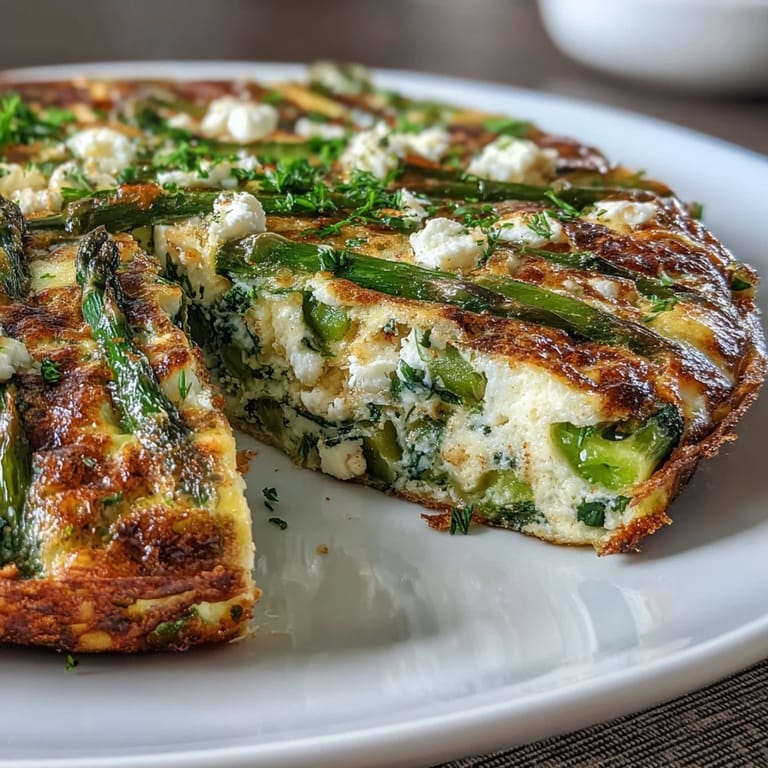 Save
Save Making this spring frittata is like opening a window to fresh flavors. Whether it's brunch for a crowd or dinner for one, it always feels like a small celebration of the season.
Recipe FAQs
- → Can I substitute goat cheese?
Yes, you can use feta, ricotta, or a vegan cheese alternative to suit your preference.
- → How do I prevent the frittata from sticking?
Use a well-buttered oven-safe nonstick skillet and avoid high heat while cooking the vegetables.
- → What other vegetables work well?
Zucchini, fava beans, or leeks make excellent additions for added variety and seasonal flair.
- → How should it be served?
Enjoy warm or at room temperature, paired with a fresh salad and crusty bread for a light meal.
- → Can this dish be made dairy-free?
Substitute plant-based milk and omit or replace goat cheese with vegan cheese for a dairy-free option.
- → Is this suitable for gluten-free diets?
Yes, this dish is naturally gluten-free. Ensure cheese and butter are verified if sensitivities apply.