 Save
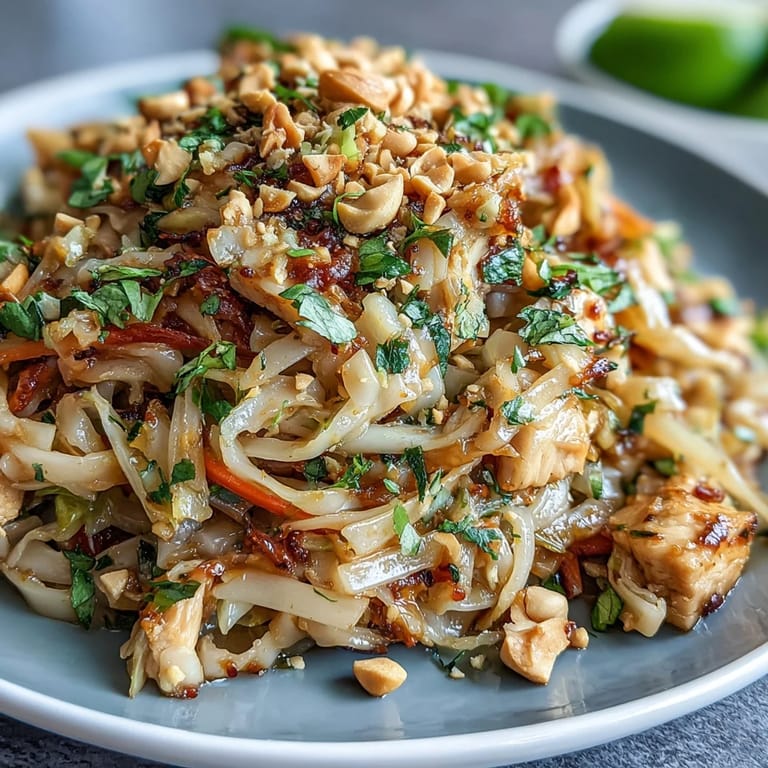
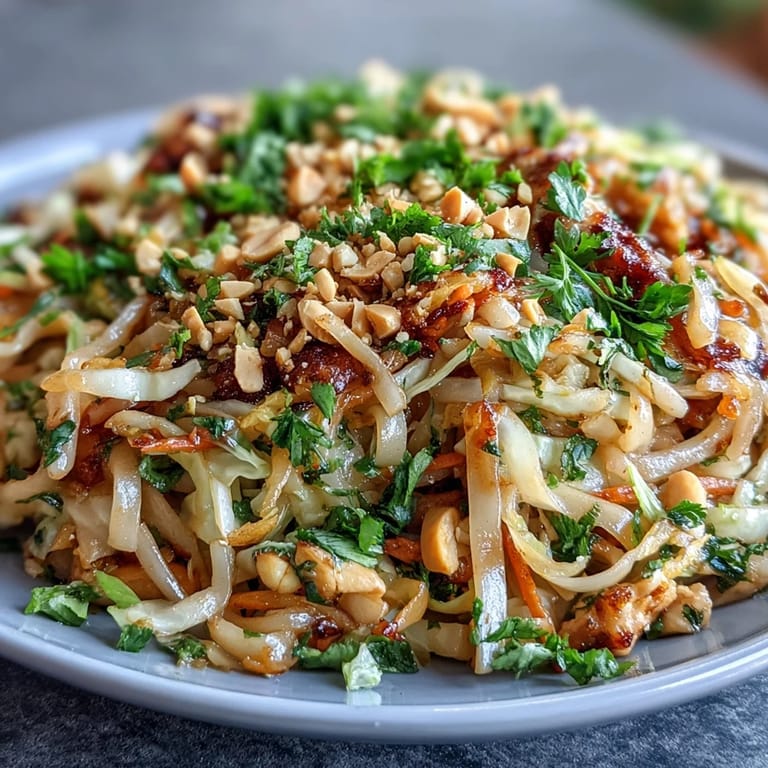
Save Sautéing cabbage for Pad Thai was never on my radar until one simmering evening when noodles ran low and inspiration came from the crisper drawer. The sizzle of ginger and garlic, both sharp and invigorating, filled my kitchen as cabbage ribbons softened beside the stove. Its crunchy bite held up unexpectedly well, tasting bright under a cascade of savory sauce and snappy lime. Sometimes, kitchen creativity simply begins with what you have and a bit of curiosity. That familiar wok, a flurry of peanut-scented steam, and suddenly a classic favorite found a new groove, low on carbs but full of life.
I’ll never forget serving this for friends on a drizzly Thursday night, when gloomy weather called for cheerful color and something warming. We chopped together, tossing bell peppers, carrots, and scallions into laughter, and debated over tofu versus shrimp. When the skillet hissed as the sauce hit, everyone crowded in, eager for that fresh-toasted aroma. Even the staunchest noodle fan cleaned their plate, chasing every last peanut crumb. That was the night cabbage Pad Thai earned a regular spot at our table.
Ingredients
- Green cabbage: The star replacement for noodles—finely shredding it gives the perfect tender yet crisp texture and holds the flavorful sauce well.
- Carrot: Sliced thinly for vibrant color and a hint of sweetness—julienne by hand or use a peeler for ribbons.
- Red bell pepper: Adds crunch and a mellow, sweet undertone that balances the savoriness.
- Scallions: White parts boost the aromatic base while the greens finish off with a fresh lift.
- Garlic: Just two cloves, but it’s essential for that unmistakable Pad Thai depth—mince finely for even flavor.
- Fresh ginger: Grating ginger right before cooking keeps it zingy and aromatic—don’t skip it.
- Eggs: They add silkiness and tie the veggies together—scramble gently so they stay tender.
- Cooked chicken, shrimp, or tofu: Choose based on your mood and what’s in the fridge—slice into bite-sized pieces for quick heating.
- Tamari or soy sauce: Provides the backbone of umami—go gluten-free with tamari as needed.
- Fish sauce (or extra tamari): Adds signature savory kick; omit for a vegetarian version without losing depth by adjusting with more tamari.
- Lime juice: Freshly squeezed truly lifts the sauce—save wedges for a tangy finish.
- Peanut butter: Unsweetened gives creamy body to the sauce—stir well so it blends smoothly.
- Erythritol, monkfruit, or honey: Pick your favorite for a whisper of sweetness; add bit by bit to suit your taste.
- Chili flakes or Sriracha: Go with your heat level preference—start mild, then taste and adjust.
- Roasted unsalted peanuts: Chopped peanuts give signature crunch—toast them lightly if you like extra nuttiness.
- Fresh cilantro leaves: Scattering these on top brings a cooling herb note—skip if you’re not a fan.
- Extra lime wedges: They’re the magic finishing touch for squeezing over just before serving.
Tired of Takeout? 🥡
Get 10 meals you can make faster than delivery arrives. Seriously.
One email. No spam. Unsubscribe anytime.
Instructions
- Mix the sauce:
- In a small bowl, whisk together tamari, fish sauce, lime juice, peanut butter, sweetener, and chili, mixing until smooth and glossy.
- Sizzle the aromatics:
- Heat your largest nonstick skillet or wok over medium-high, swirling in oil before tossing in garlic, ginger, and white parts of the scallions, breathing in that first fragrant cloud as they soften for about a minute.
- Stir-fry veggies:
- Add cabbage, carrot, and bell pepper, stirring frequently; listen for that gentle crackle and cook until just tender but still crisp, about 4-5 minutes.
- Scramble eggs:
- Push the veggies aside and crack in the eggs, letting them set briefly before gently scrambling and folding into the veg.
- Add protein and sauce:
- Drop in your sliced chicken, shrimp, or tofu, then pour the sauce over everything, tossing so each piece glistens and the aroma deepens—heat through for 2-3 minutes.
- Finish and serve:
- Remove from heat, sprinkle green scallions, peanuts, cilantro, and extra lime on top, then serve promptly to keep the crunch alive.
 Save
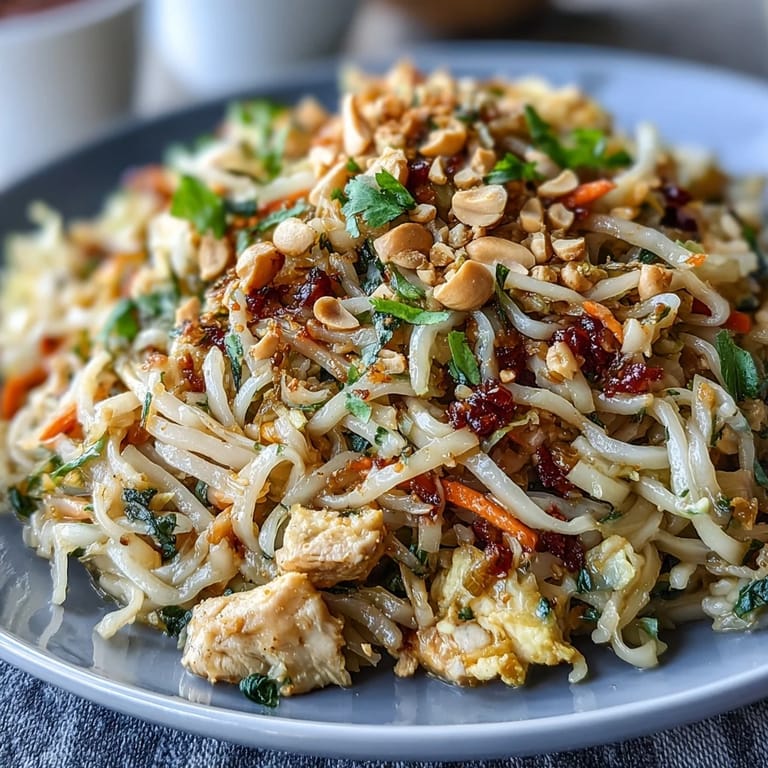
Save There was a moment, sharing leftovers the next day with my sister, when we realized Pad Thai didn’t need noodles to feel comforting—just that citrusy tang, roasted nuts, and a mess of chopsticks reaching for more.
Playful Protein Switches
Each time I make this, I swap the protein based on our mood: juicy shrimp for summery gatherings, tofu for a lighter lunch, or chicken when the fridge is thin. Experimenting with the timings lets every protein shine without drying out or going rubbery, and sometimes I’ll even toss in extra edamame for another chewy surprise. Letting each piece warm gently in the sauce makes everything taste intentional and rich.
Sauce Secrets for a Bold Finish
Once I forgot the lime and didn’t realize what was missing until the first bite—never again. Lime juice is the quiet hero, perking everything up and brightening even the deepest tamari notes. Taste as you go and don’t be afraid to tweak: sometimes a dash more peanut butter or chili is just what the dish needs to match your mood.
Cabbage Pad Thai: My Go-To Weeknight Rescue
Raw cabbage keeps for ages and forgivingly tolerates last-minute prep, making this a weeknight favorite when schedules run wild. The whole process feels fast, almost like a dance, with tongs flipping veg and sauce melding in under fifteen minutes. If you want a little extra crunch, top with cold bean sprouts just before serving.
- Prepping everything before you start makes things speedy and smooth.
- A hot pan is essential for stir-fry success.
- Don’t skip the peanuts and lime—they make every bite pop.
 Save
Save Give this playful, crunchy take on Pad Thai a spin and it might just become your secret favorite too. It’s one of those recipes that make you happy to improvise every time.
Recipe FAQs
- → How do I keep the cabbage crisp?
Use high heat and a roomy skillet or wok so moisture evaporates quickly. Shred the cabbage finely, stir-fry for just 4–5 minutes until tender-crisp, and avoid crowding the pan. Finish quickly with the sauce to retain crunch.
- → What protein options work best?
Cooked sliced chicken, peeled shrimp, or firm tofu all work well. Add cooked proteins at the end to warm through for 2–3 minutes; if using raw shrimp, cook it briefly before adding vegetables.
- → How can I make this gluten-free or vegetarian?
Use tamari labeled gluten-free and replace fish sauce with extra tamari or a vegetarian fish-sauce substitute. Choose tofu and omit fish sauce for a vegetarian or vegan approach.
- → What’s the best way to toast peanuts?
Toast peanuts in a dry skillet over medium heat, stirring often, for 3–5 minutes until fragrant and lightly browned. Let cool, then chop roughly before sprinkling over the finished dish.
- → How do I control the spice level?
Start with 1 teaspoon of chili flakes or a small amount of Sriracha in the sauce and taste before adding more. You can serve extra chili or hot sauce at the table for anyone who wants more heat.
- → Can I store leftovers and reheat?
Store in an airtight container in the fridge for up to 3 days. Reheat briefly in a skillet over medium heat to revive texture; note the cabbage will soften over time. Add fresh lime and chopped peanuts after reheating.