 Save
Save The first time I held a sheep's stomach in my hands, I nearly dropped it. My Scottish grandmother stood beside me in her kitchen, amused by my hesitation, and said, "It's just a vessel, love. What matters is what goes inside." That moment changed how I thought about haggis—not as something intimidating, but as a celebration of using every part of the animal with respect and care. Now, whenever I make it, I feel her presence in the steam rising from the pot, in the warm spice-laden smell that fills the kitchen, in the knowing that this dish carries centuries of resourcefulness and flavor.
I'll never forget the Burns Supper when my friend Mark took his first bite and looked genuinely surprised. He'd expected something rough and offputting, but instead found himself chewing through this savory, finely textured pudding with a subtle sweetness from the nutmeg and coriander. Watching him reach for seconds while reciting Burns poetry made me realize that haggis isn't about proving yourself tough—it's about opening your mouth to something authentic.
Ingredients
- Sheep's heart, liver, and lungs (500 g): These organ meats are the soul of haggis, providing deep, mineral flavor that can't be replicated; if you can't find them, ask your butcher in advance, as they're not always displayed in the case.
- Beef or lamb suet (200 g, finely chopped): This fat melts during cooking and keeps the haggis moist and luxuriously textured; don't skip it or use modern vegetable shortening, which lacks the richness.
- Steel-cut oats (150 g, toasted): Toasting them first deepens their flavor and prevents a gluey texture; it's an extra step that makes a real difference.
- Onions (2 medium, finely chopped): Onions become sweet and mellow during the long cook, providing backbone to the spice profile.
- Beef stock (250 ml): Use homemade or good quality stock, never bouillon cubes, as they'll oversalt the delicate balance.
- Ground black pepper, coriander, nutmeg, and allspice (1 tsp, 1 tsp, 1 tsp, and ½ tsp): These spices are what distinguish haggis from plain meatloaf; measure them carefully, as they're bold.
- Salt (1½ tsp): Start here and taste at the end; the offal cooking liquid may already carry saltiness.
- Sheep's stomach or large sausage casing: A cleaned stomach is traditional and creates the iconic presentation, but a pudding basin covered with foil works just as well and feels less daunting.
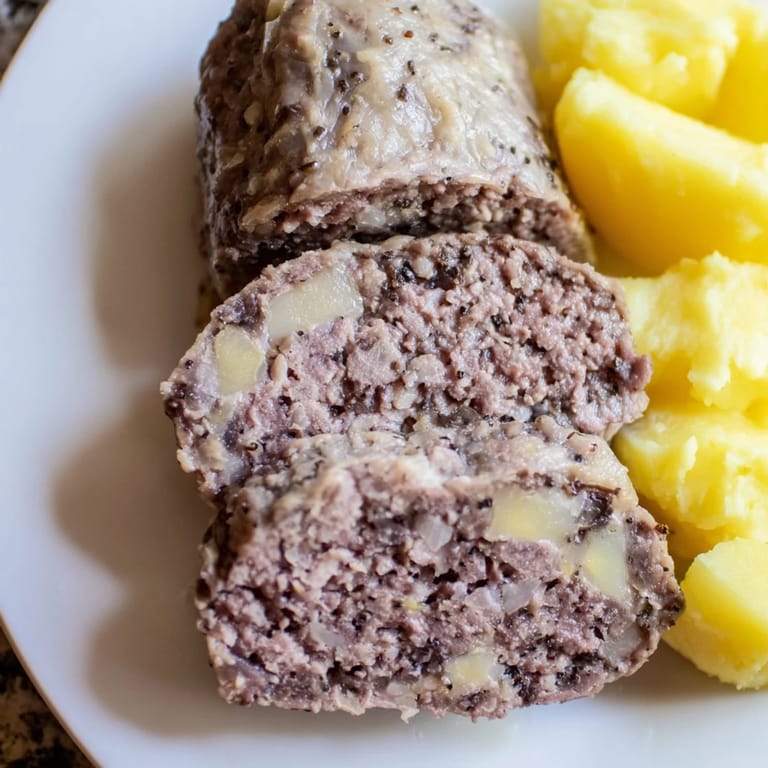
- Potatoes and turnips (500 g each): These are not optional—their mild, creamy texture balances the haggis's intensity perfectly.
- Butter (50 g): Mash the neeps and tatties with good butter; it transforms them from bland to beloved.
Tired of Takeout? 🥡
Get 10 meals you can make faster than delivery arrives. Seriously.
One email. No spam. Unsubscribe anytime.
Instructions
- Prepare the offal:
- Rinse the heart, liver, and lungs thoroughly under cold water, checking for any bits of shot or membrane. Place them in a large pot, cover completely with cold water, and bring to a rolling boil—you'll see a gray foam rise to the surface, which is fine to skim off. Reduce the heat and let them simmer gently for 1 to 2 hours until they're fork-tender and smell wonderfully savory; this long cook is what makes offal tender enough to mince into something silky.
- Build the base:
- In a large mixing bowl, combine the minced offal, finely chopped suet, your toasted oats, and the finely minced onions. If you're using optional lamb or beef mince for extra texture, add it now and fold everything together with your hands until it looks like a cohesive mixture.
- Season and bind:
- Pour in the beef stock (and any reserved cooking liquid from the offal, which adds even more flavor) along with all your spices and salt. Mix thoroughly—your hands work better than a spoon here—until the mixture is evenly colored, moist, and just slightly bouncy when you lift a handful. It should feel like a thick, well-seasoned porridge, not wet or runny.
- Fill the casing:
- If using a sheep's stomach, rinse it one more time and pat it dry. Spoon the mixture in slowly, filling it about three-quarters full to leave room for the haggis to swell during cooking; tie the opening securely with kitchen twine. If using a pudding basin, spoon the mixture in, smooth the top, and cover tightly with foil, making sure there are no gaps where steam can escape.
- Cook low and slow:
- Place your filled casing or basin in a large pot and pour in boiling water until it reaches about three-quarters of the way up the sides—the water should never cover the top. Maintain a gentle simmer (not a rolling boil, which can burst a casing) for 2 hours, checking every 30 minutes to make sure the water level hasn't dropped too far and adding more boiling water as needed.
- Prepare the accompaniments:
- While the haggis simmers, peel and cube your potatoes and turnips into roughly equal-sized pieces so they cook evenly. Boil them separately in salted water for about 20 to 25 minutes until they're soft enough to mash easily. Drain each thoroughly and mash with plenty of butter, a crack of black pepper, and a pinch of salt, tasting as you go.
- Serve with ceremony:
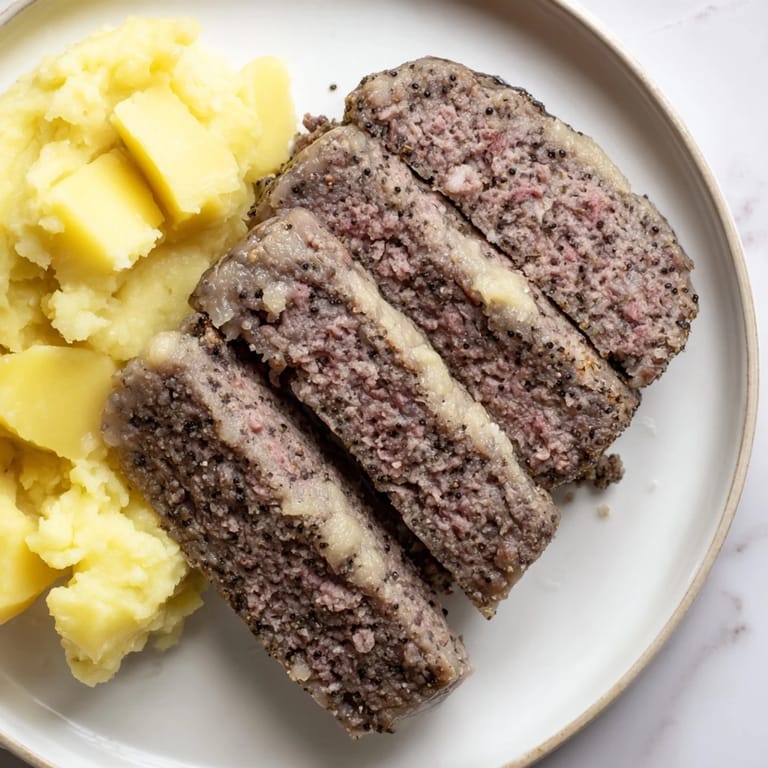
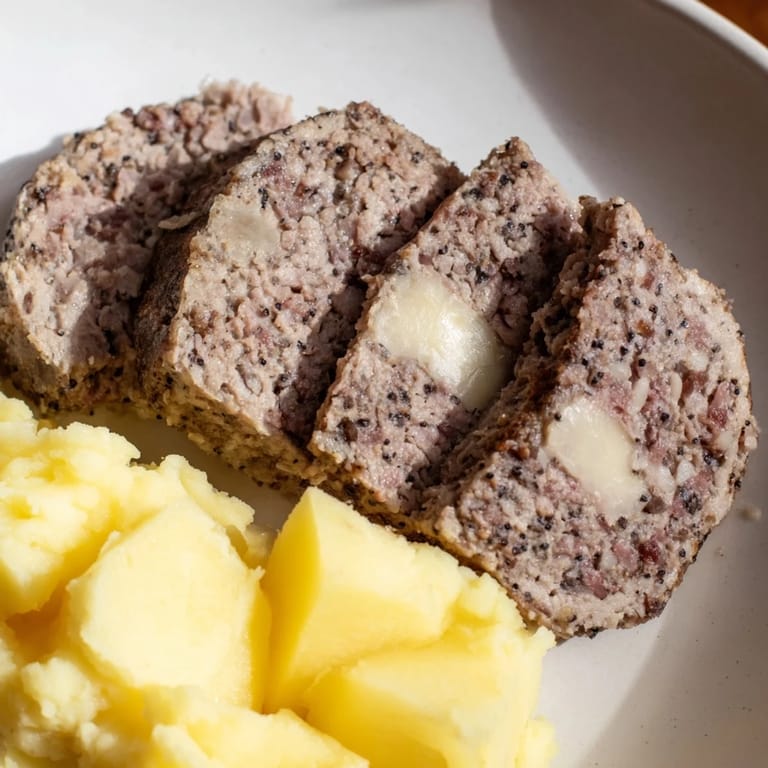
- Carefully lift the haggis from the water and let it rest for a few minutes on a cutting board to firm up slightly. If using a casing, cut it open carefully—the steam inside is hot—and slide the contents onto a warm plate. Serve slices alongside the buttery neeps and tatties, and don't skip a whisky cream sauce if you have the time to make one.
 Save
Save There's a moment, about halfway through the cooking, when the kitchen fills with this unmistakable aroma—spice, rich meat, something ancient and grounding. My partner once came home to find me standing in front of the stove, eyes closed, just breathing it in, and asked if everything was okay. I realized then that haggis isn't just food; it's a sensory passport to understanding a culture that built something magnificent from what they had.
Understanding Haggis
Haggis is one of those dishes that seems mysterious until you understand its logic. For centuries, Scottish cooks faced the practical challenge of preserving meat without waste—every part of a slaughtered animal had value. The organs, combined with grain and spices they could afford, became something greater than the sum of its parts. This isn't peasant food born of desperation; it's resourceful cooking that transformed constraints into tradition. When you taste haggis, you're tasting five hundred years of refinement and pride.
The Spice Balance
The spices in haggis—coriander, nutmeg, allspice, black pepper—might seem surprising to someone expecting just salt and smoke. But they're deliberate and essential, warming and slightly sweet in a way that elevates the savory meat and oat base. I learned this when I first attempted haggis with half the spice, thinking I was being subtle. The result tasted dull and meaty rather than complex and inviting. Now I measure carefully and trust the proportions, knowing that these spices were chosen centuries ago because they work.
Neeps, Tatties, and Why They Matter
Neeps and tatties aren't side dishes—they're essential counterbalance. The creamy, mild texture of mashed potatoes and the gentle earthiness of turnips soften the intensity of the haggis, making the meal feel complete rather than overwhelming. I once served haggis with roasted vegetables out of misguided sophistication, and my Scottish friend smiled politely before asking where the neeps were. The traditional pairing exists for a reason, and once you understand it, you'll never deviate.
- Mash each vegetable separately so you can taste which butter goes best with which—turnips love a touch more butter than potatoes.
- Season generously after mashing; bland neeps and tatties will drag down even perfect haggis.
- Serve everything hot; cold haggis loses its magic, and so do congealed potatoes and turnips.
 Save
Save Haggis taught me that food is more than nourishment—it's identity, resilience, and the voices of people who came before us. Every time I make it, I'm having a quiet conversation with my grandmother and with countless Scottish cooks stretching back through time.
Recipe FAQs
- → What meats are used in Scottish haggis?
Traditionally, a combination of sheep's heart, liver, and lungs is used, often supplemented with suet and sometimes minced lamb or beef for texture.
- → How long does it take to cook haggis?
The haggis is typically simmered gently for about two hours to ensure the mixture is fully cooked and flavors meld together.
- → What are neeps and tatties served with it?
‘Neeps’ refers to turnips (rutabaga), and ‘tatties’ are potatoes. Both are peeled, boiled until tender, mashed with butter, and seasoned to complement the dish.
- → Can a pudding basin be used instead of a casing?
Yes, an oven-proof pudding basin covered tightly with foil can be used as an alternative to the traditional sheep's stomach casing.
- → Are there seasoning variations for this dish?
Common spices include black pepper, coriander, nutmeg, and allspice, which can be adjusted to personal taste to enhance the savory profile.
- → Is a vegetarian version possible?
Yes, by substituting the meats with pulses, mushrooms, and vegetable-based suet, you can create a plant-based variation that maintains similar texture and flavor.