 Save
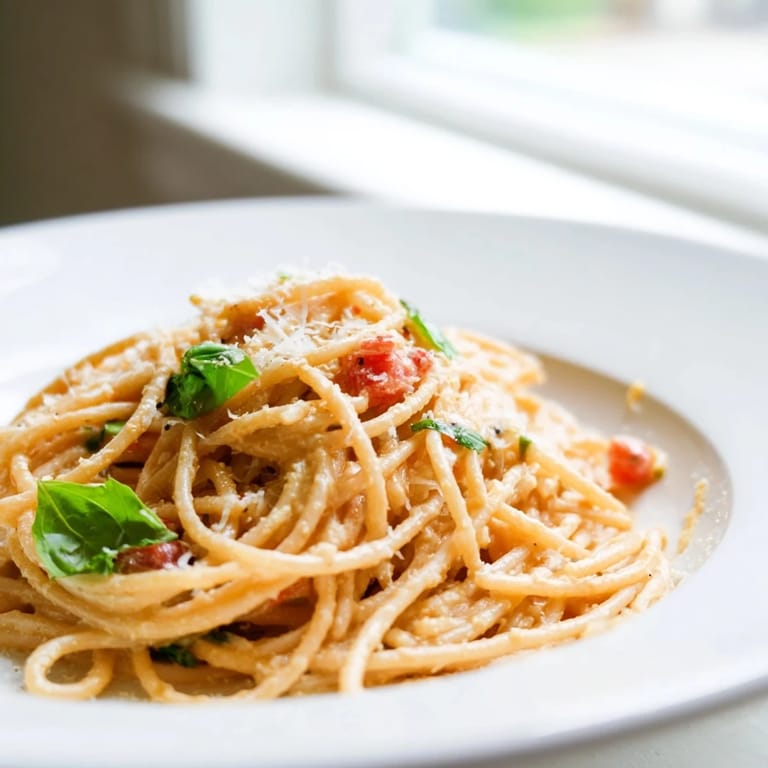
Save There's something almost magical about how roasted garlic transforms from pungent and sharp into something sweet and buttery, like caramelized clouds melting into pasta. I stumbled onto this sauce one autumn evening when I had three bulbs of garlic sitting on my counter and absolutely no plan, just the stubborn conviction that roasting them would solve everything. Forty minutes later, my kitchen smelled like a dream, and by the time I'd squeezed those soft cloves into a creamy tomato base, I understood why people wax poetic about simple Italian cooking. This sauce proves that sometimes the best dishes come from a single, brilliant idea stretched thin across humble ingredients.
I made this for a dinner party where someone showed up tired and skeptical about pasta, muttering something about being bored by Italian food. Twenty minutes after that first bite, they were scraping the bowl with a piece of crusty bread, asking if I'd add garlic next time, not realizing it was already the star of the show. Watching someone's face change when they taste what they thought they knew remake itself—that's when I knew this recipe had staying power.
Ingredients
- Garlic bulbs (3 large): Roasting mellows garlic's bite into pure sweetness; buy bulbs that feel heavy and compact, avoiding any with soft spots.
- Yellow onion (1 medium): The base note that builds depth as it softens, making everything that comes after taste more intentional.
- Diced tomatoes (400 g can): Canned tomatoes are reliable year-round and add gentle acidity without overwhelming the roasted garlic's delicate flavor.
- Fresh basil (2 tbsp): Save the tender leaves for the end; bruised or cooked basil loses its brightness.
- Heavy cream (60 ml): The luxury that transforms this from a tomato sauce into something silky and rich without being heavy.
- Unsalted butter (30 g): Adds a whisper of flavor and helps emulsify the sauce into something velvety.
- Parmesan cheese (30 g): Finely grated Parmesan dissolves cleanly into sauce and tastes cleaner than pre-shredded versions.
- Dried pasta (350 g): Choose your favorite shape; longer noodles like linguine or fettuccine hold this creamy sauce beautifully.
- Olive oil (2 tbsp): Good quality oil for sautéing matters; avoid anything smoky or aggressive.
- Salt and black pepper: Season thoughtfully in stages rather than all at once.
- Red pepper flakes (1/2 tsp, optional): Just a whisper unless you love heat; the garlic shouldn't be drowned out.
Tired of Takeout? 🥡
Get 10 meals you can make faster than delivery arrives. Seriously.
One email. No spam. Unsubscribe anytime.
Instructions
- Heat your oven and prepare the garlic:
- Preheat to 200°C (400°F) and slice the top off each garlic bulb so the cloves peek through—you want them exposed so they can caramelize. Nestle each bulb on its own square of foil, drizzle generously with olive oil, and wrap loosely so steam can circulate.
- Roast until golden and soft:
- Roast for 35 to 40 minutes until the cloves turn deep golden and feel completely soft when pressed. This slow roasting is what transforms garlic's sharpness into something almost honey-like.
- Cool and extract the garlic:
- Let them cool just enough to handle, then squeeze each clove from its papery skin into a bowl and mash into a rough paste. A fork works perfectly; don't make it too smooth.
- Start your pasta simultaneously:
- While garlic roasts, bring salted water to a boil and cook pasta according to package directions. Before draining, reserve at least 120 ml of starchy pasta water—this liquid is what transforms a sauce from okay to silky.
- Sauté the onion base:
- Heat 2 tbsp olive oil in a large skillet over medium heat and add chopped onion, cooking for about 5 minutes until it turns translucent and starts to soften. Resist the urge to rush or turn up the heat; slow is how it gets sweet.
- Meld the garlic into the base:
- Stir in your mashed roasted garlic and cook just for 1 minute until the whole kitchen smells like something you want to bottle. The brief cooking brings out its warmth without damaging its new delicate nature.
- Build the sauce with tomatoes and herbs:
- Add the diced tomatoes along with basil, salt, pepper, and red pepper flakes if you're using them. Let this simmer for 8 to 10 minutes so the flavors stop being individual ingredients and start becoming one voice.
- Add richness with cream and cheese:
- Stir in butter and cream, simmering for just 2 minutes until the butter completely dissolves, then scatter in Parmesan and stir until it's silky rather than visible. Taste and adjust seasoning because your palate might want a touch more salt or a pinch more pepper.
- Combine pasta and sauce:
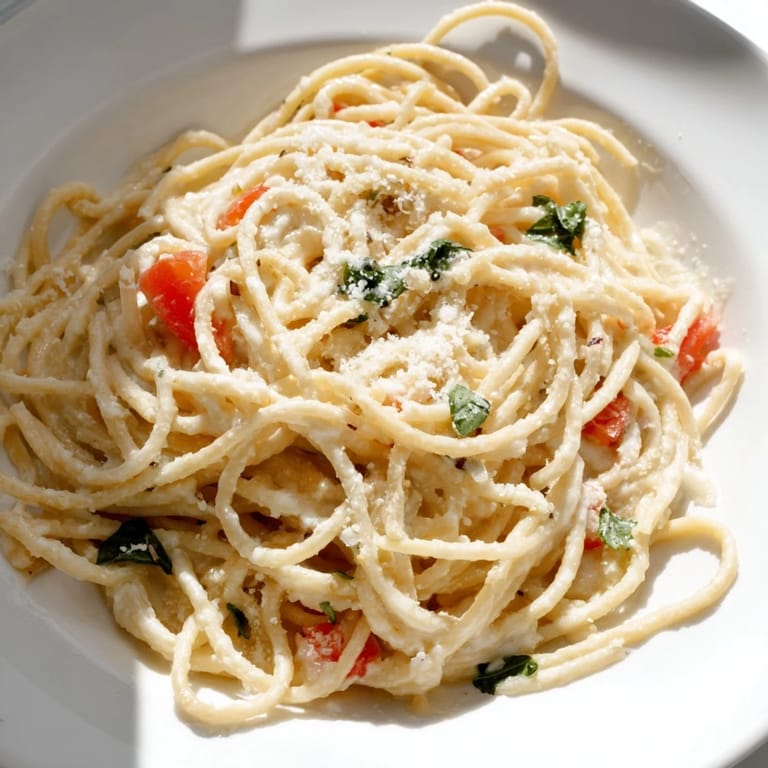
- Toss hot drained pasta directly into the skillet, adding reserved pasta water a little at a time until the sauce coats every strand glossily without pooling. The starchy water is magic—it helps everything cling together.
- Serve with ceremony:
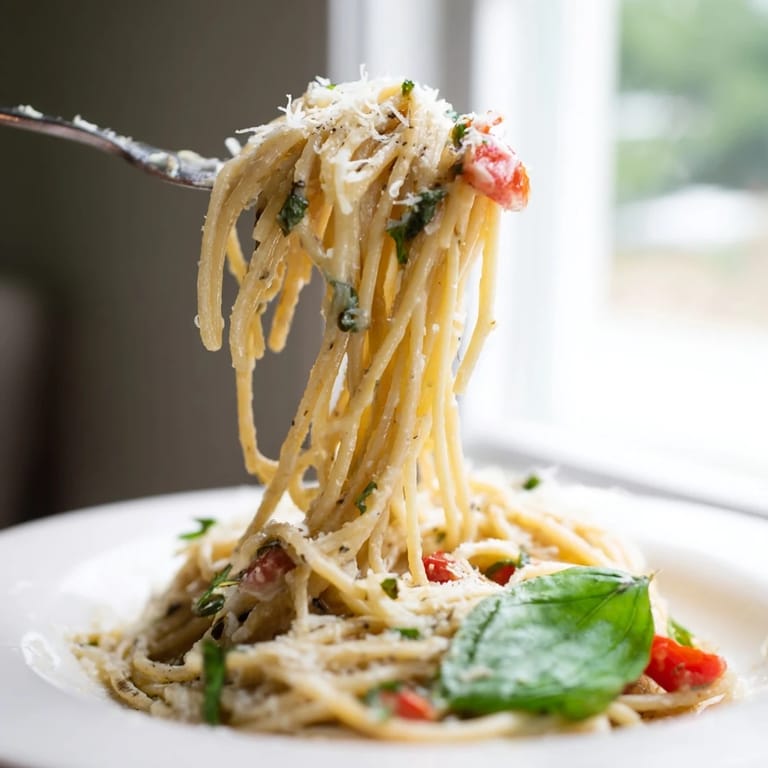
- Plate immediately into warm bowls, tear fresh basil over the top, and rain more Parmesan across each serving. Finish with a tiny drizzle of olive oil if your heart desires.
 Save
Save Last winter I made this on a night when the power flickered and three people who'd accepted dinner invitations suddenly realized they might cancel. I was halfway through roasting the garlic when my friend texted that she was definitely coming anyway, that she needed exactly this kind of meal—something uncomplicated and warm. That meal became less about the recipe and more about showing up for each other, which is maybe what all the best food moments are really about.
Why Roasting Garlic Changes Everything
Raw garlic is a sharp weapon that can clear your sinuses and announce itself in any sauce; roasted garlic is a gentle persuader that sweetens and rounds everything it touches. The alchemy happens in the oven over time—sugars caramelize, sulfur compounds mellow into vanilla-like notes, and what was once pungent becomes almost creamy. I used to think garlic was garlic until I roasted my first bulb and tasted the difference between cooking with garlic and cooking with roasted garlic, which is the difference between a background voice and a solo.
Timing Your Components So Everything Arrives Together
The beauty of this recipe is that roasting garlic takes the longest, so start that first and let everything else move at its own pace around it. By the time garlic has cooled enough to handle, your pasta water is boiling; while pasta cooks, the onion sautés; while tomatoes simmer, you're mashing garlic. Nothing is ever really waiting, and everything is ready at the exact moment you need it—which is how weeknight cooking should feel.
Customizing This Sauce to Your Mood
This sauce is forgiving enough to bend toward whatever you have or whatever you're craving. Red pepper flakes aren't required, but they're welcome if you like a gentle warmth underneath everything else. Some nights I add a handful of fresh spinach in the last minute, letting it soften into the creaminess, which transforms the sauce from simple to something that feels garden-fresh.
- For vegans, swap heavy cream with oat or cashew cream and use nutritional yeast instead of Parmesan for that savory richness.
- A small handful of fresh thyme or oregano can stand in for basil if that's what's in your herb drawer.
- Leftover sauce keeps for three days and reheats gently over low heat with a splash of pasta water to restore silkiness.
 Save
Save This is the kind of sauce that proves you don't need complicated techniques or exotic ingredients to cook something that feels special and tastes like care. Make it when you want to feel like a proper cook without any of the fuss.
Recipe FAQs
- → Why roast whole garlic bulbs instead of using minced garlic?
Roasting whole garlic bulbs transforms their flavor profile completely. The slow, dry heat converts the garlic's sharp, pungent compounds into sweet, mellow, and nutty notes. This creates a naturally creamy texture when mashed and prevents the harsh bite you'd get from raw or briefly cooked garlic.
- → Can I prepare the roasted garlic ahead of time?
Absolutely. Roasted garlic keeps refrigerated for up to one week in an airtight container. You can roast the bulbs on the weekend and use the paste throughout the week for multiple meals, saving preparation time on busy evenings.
- → What pasta shapes work best with this sauce?
Longer, ribbon-like pastas such as spaghetti, linguine, and fettuccine work beautifully because they capture and hold the creamy sauce evenly. Shorter shapes like penne or rigatoni are also excellent choices depending on your preference.
- → How do I achieve the right sauce consistency?
Reserved pasta water is your secret tool. Add it gradually while tossing the cooked pasta with the sauce. The starch in the pasta water helps the sauce cling to each strand while maintaining a luxurious, pourable consistency. Start with a small amount and increase as needed.
- → Is there a dairy-free version of this sauce?
Yes. Substitute heavy cream with plant-based alternatives like oat or cashew cream, and replace unsalted butter with vegan butter. Omit Parmesan or use a high-quality vegan cheese. The roasted garlic remains the star of the dish and provides the same comforting depth.
- → What wine pairs well with this pasta dish?
Crisp white wines complement the creamy garlic sauce beautifully. Pinot Grigio and Sauvignon Blanc are excellent choices, as their acidity cuts through the richness and enhances the fresh basil notes in the sauce.