 Save
Save The smell of garlic butter hitting hot naan is enough to make anyone stop mid-sentence. I learned to make this bread on a Tuesday night when I was too impatient to wait for takeout and had a pot of curry already bubbling on the stove. What started as a desperate attempt to stretch dinner turned into one of those recipes I now make without thinking. The dough is forgiving, the technique is simple, and the payoff is a stack of warm, pillowy flatbreads that disappear faster than you can make them.
I once made this for a friend who swore she didnt like homemade bread because it was always too dense. She ate three pieces before the curry even hit the table. Watching someone tear into warm naan with their hands, eyes closed, no words, just chewing, thats when you know youve made something right. It became the thing I brought to potlucks, the recipe I texted to people at midnight when they asked what to serve with their leftovers.
Ingredients
- All-purpose flour: The backbone of the dough, giving it structure without the heaviness of whole wheat, and it creates those beautiful air pockets when cooked on high heat.
- Active dry yeast: This is what makes the dough rise and gives the naan its signature fluffy texture, just make sure your water is warm, not hot, or youll kill it.
- Sugar: Feeds the yeast and helps it bloom into a frothy cloud, which is your sign that everything is working as it should.
- Warm water: The temperature matters more than you think, too cold and the yeast wont wake up, too hot and youve made yeast soup.
- Salt: Balances the sweetness and strengthens the gluten, giving the dough enough chew without turning it into rubber.
- Plain yogurt: Adds tang and tenderness, keeping the naan soft even after it cools, and it helps with browning too.
- Oil or ghee: Ghee gives a richer, nuttier flavor, but oil works perfectly fine if thats what you have on hand.
- Minced garlic: The star of the topping, use fresh cloves and mince them yourself for the most fragrant, punchy flavor.
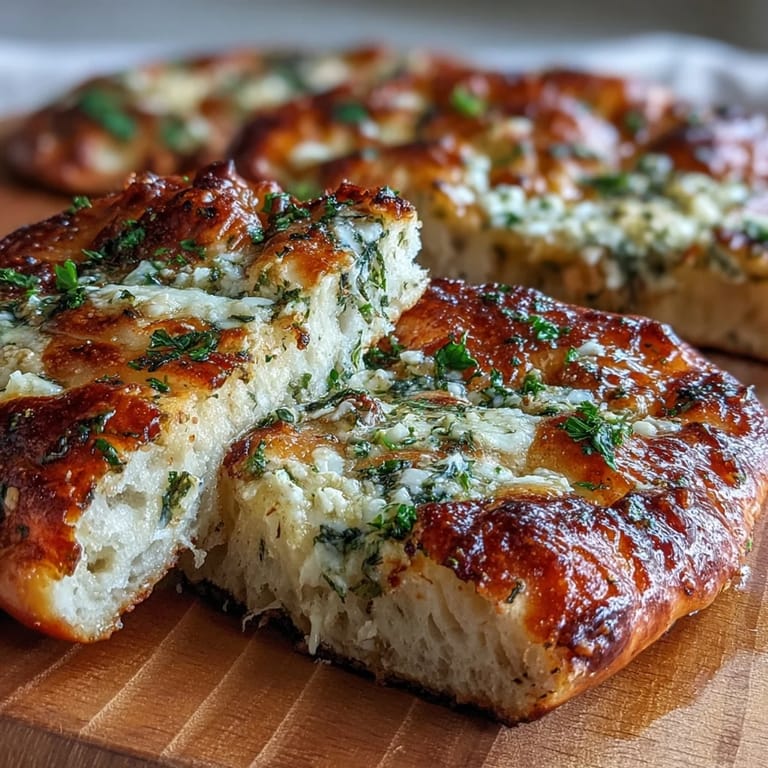
- Melted butter: Brushed on while the naan is still hot, it soaks in and creates a glossy, golden finish that makes everything taste like it came from a restaurant.
Tired of Takeout? 🥡
Get 10 meals you can make faster than delivery arrives. Seriously.
One email. No spam. Unsubscribe anytime.
Instructions
- Wake the yeast:
- In a large mixing bowl, combine warm water, sugar, and yeast, then stir and let sit for 5 to 10 minutes until it gets frothy and smells faintly like beer. If nothing happens, your water was probably too hot or your yeast was too old, start over.
- Build the dough:
- Add flour, salt, yogurt, and oil or ghee to the yeast mixture, then mix with a spoon or your hands until a shaggy dough forms. It should be soft and slightly sticky, not dry or crumbly.
- Knead it out:
- Turn the dough onto a floured surface and knead for 5 to 7 minutes until it becomes smooth, elastic, and springs back when you poke it. This is where the magic happens, the gluten develops and the dough transforms from lumpy to silky.
- Let it rise:
- Place the dough in a greased bowl, cover with a damp cloth, and let it rise in a warm spot for about 1 hour or until doubled in size. I usually stick mine near the stove or in a sunny corner.
- Shape the naan:
- Punch down the dough to release the air, then divide it into 8 equal portions and roll each piece into an oval or tear-drop shape about 1/4 inch thick. Dont stress about perfection, rustic shapes cook just as well and look more authentic.
- Heat your skillet:
- Heat a cast iron skillet or heavy-bottomed pan over medium-high heat until a drop of water sizzles and evaporates immediately. No oil needed, the dry heat is what creates those charred bubbles.
- Cook the naan:
- Place one naan in the hot skillet and cook for 2 to 3 minutes until bubbles form on the surface and the bottom has golden brown spots. Flip and cook for another 1 to 2 minutes until the other side is charred and fragrant.
- Brush with garlic butter:
- Remove from the skillet and immediately brush with melted butter mixed with minced garlic while the naan is still steaming. The heat will melt the butter into every crevice.
- Repeat and serve:
- Continue with the remaining dough, stacking the finished naan on a plate and covering with a towel to keep warm. Serve immediately while theyre soft and aromatic.
 Save
Save There was a night last winter when the power went out and I made naan by candlelight on a gas stove, tearing pieces off and dipping them into cold leftover dal straight from the fridge. It tasted better than most restaurant meals Ive had. Sometimes the best food happens when youre not trying to impress anyone, just feeding yourself with what you know how to make.
What to Serve with Garlic Naan
This bread is built for scooping, so pair it with anything saucy or rich like butter chicken, palak paneer, chana masala, or a simple dal. It also works as a wrap for grilled chicken, lamb kebabs, or roasted vegetables with hummus. Ive even used it as a base for flatbread pizza when I had leftover dough and no plan for dinner.
How to Store and Reheat
Naan is best eaten fresh, but leftovers can be wrapped in foil and stored at room temperature for a day or in the fridge for up to three days. To reheat, wrap in a damp paper towel and microwave for 20 seconds, or warm in a skillet over medium heat until soft again. Frozen naan can be reheated straight from the freezer in a hot skillet, no thawing needed.
Common Mistakes and How to Avoid Them
The biggest mistake is using water thats too hot, which kills the yeast and leaves you with dough that never rises. Another common issue is rolling the naan too thin, which makes it crispy instead of soft and pillowy. Finally, dont skip the resting time after kneading, the dough needs that hour to relax and develop flavor.
- Always test your water temperature with your finger, it should feel like a warm bath, not a hot tub.
- If your dough isnt doubling in size, move it somewhere warmer or give it more time.
- Press the garlic into the butter instead of just stirring it in, the flavor distributes better that way.
 Save
Save This naan has saved more weeknight dinners than I can count, and it never gets old. Make it once and youll understand why some recipes just stick around.
Recipe FAQs
- → What makes naan different from other flatbreads?
Naan stands apart due to its yogurt-enriched dough and yeast-leavened texture, creating characteristic softness and bubble pockets. Unlike unleavened flatbreads like roti or chapati, naan gets a pillowy, slightly chewy consistency from the fermentation process. The addition of yogurt adds subtle tanginess and tenderness, while the traditional skillet cooking method yields those signature charred spots and smoky flavor.
- → Can I make the dough ahead of time?
Absolutely. Prepare the dough through the rising step, then refrigerate it for up to 24 hours before shaping and cooking. This actually enhances flavor development. When ready to cook, bring the dough to room temperature for about 30 minutes, then proceed with dividing and rolling pieces. The cold dough may be slightly easier to handle too.
- → What if I don't have a cast iron skillet?
Any heavy-bottomed pan or griddle works well. Cast iron's heat retention is ideal, but stainless steel, carbon steel, or even non-stick pans can produce excellent results. The key is getting the pan thoroughly hot before adding the dough. A lightly oiled surface helps prevent sticking and promotes even browning on both sides.
- → How do I store and reheat leftover naan?
Store cooled naan in an airtight bag or container for 2-3 days at room temperature, or freeze for up to 3 months. For reheating, warm in a dry skillet over medium heat for 30-60 seconds per side until hot and pliable. Alternatively, wrap in foil and heat in a 350°F oven for 5-7 minutes. Avoid microwaving, which makes them tough.
- → Can I make this without yeast?
While traditional naan requires yeast for authentic texture and flavor, you can create a quicker version using baking powder as a leavening agent. The result will be slightly denser but still delicious. For this recipe, substitute the yeast and warm water with 1 tablespoon baking powder mixed directly into the dry ingredients, using plain water or milk instead of warm water.
- → What's the secret to getting those nice bubble pockets?
The secret lies in proper fermentation and cooking technique. Let the dough fully double in size during rising—this creates internal gas pockets. Cook the naan in a thoroughly preheated pan so bubbles form quickly. Don't press down on the bread while cooking; let the steam create natural pockets. The contrast between hot pan and moist dough causes rapid steam production, creating those coveted airy bubbles.