 Save
Save My neighbor dropped off a bundle of parsnips from her garden last autumn, and I stood there holding them like I'd just received a puzzle to solve. I'd walked past them in markets a hundred times, always reaching for carrots instead, but something about the way she described roasting them—golden, almost caramelized—made me curious enough to try. That first bowl of soup changed my mind about what root vegetables could be; they weren't just hearty fillers, they were sweet, complex, and could disappear into something silky without losing any character.
I made this for my mother-in-law on a chilly Sunday when she was visiting, and she asked for the recipe before she'd even finished the bowl. What struck me most wasn't her praise, but the way she slowed down eating it—no rushing, just small spoonfuls and quiet appreciation. That's when I realized this soup has this strange power to make people pause, to actually taste what's in front of them.
Ingredients
- Parsnips, 800 g peeled and cut into 2 cm chunks: These are the soul of the soup; roasting brings out their natural sweetness and creates that velvety texture when blended, so don't skip the caramelization step.
- Medium onion, diced: The onion softens into the background, building umami depth that makes the parsnips shine even brighter.
- Garlic cloves, 2 minced: A light hand with garlic is wise here—you want it to whisper, not shout, so the delicate parsnip flavor comes through.
- Medium potato, peeled and diced: This adds body and helps create that silky mouthfeel without needing heavy cream if you're keeping it light.
- Celery stalk, sliced: Often overlooked, celery builds a subtle backbone of flavor that ties everything together.
- Olive oil, 2 tbsp: Use good quality oil; half goes on the parsnips for roasting, half starts the base—it's your seasoning foundation.
- Vegetable stock, 1 L: Check that it's gluten-free if that matters to you; the quality of stock matters more than you'd think in a simple soup.
- Sea salt and freshly ground black pepper: Season gradually as you go, tasting between additions rather than all at once at the end.
- Double cream or crème fraîche, 100 ml optional: This is your choice—the soup is creamy enough without it, but the cream adds a note of luxury that softens any earthiness.
- Fresh herbs—parsley, chives, dill, tarragon: Don't add these while cooking; they're a finishing touch that should taste fresh and alive, so add them just before serving.
Tired of Takeout? 🥡
Get 10 meals you can make faster than delivery arrives. Seriously.
One email. No spam. Unsubscribe anytime.
Instructions
- Fire up the oven and prepare your parsnips:
- Preheat to 200°C and toss your parsnip chunks with a tablespoon of olive oil and a pinch of salt on a baking tray. This is the most important step, so don't rush it—you're looking for edges that turn golden and caramelized, which takes 25 to 30 minutes, turning them halfway through so they brown evenly.
- Build your aromatic base:
- While the parsnips roast, warm the remaining oil in a large saucepan over medium heat and add your diced onion, minced garlic, sliced celery, and diced potato. Let them soften gently for 5 to 7 minutes—you want them tender but not colored, just releasing their flavors into the oil.
- Bring it together and simmer:
- Once the parsnips are golden and tender, add them to the saucepan along with your vegetable stock. Bring everything to a boil, then lower the heat and let it simmer for 10 to 15 minutes until all the vegetables are very soft and yield easily to a spoon.
- Blend into silk:
- Remove from heat and use a stick blender to blend the soup until it's completely smooth and velvety, working in batches if you're using a countertop blender. Take your time here—rushing can result in a lumpy texture, and the whole point is that silky finish.
- Finish with cream and seasoning:
- Stir in the cream or crème fraîche if using, then taste and adjust your salt and pepper gradually until the soup tastes balanced. Remember that salt can be added but not removed, so taste as you go.
- Plate and crown with herbs:
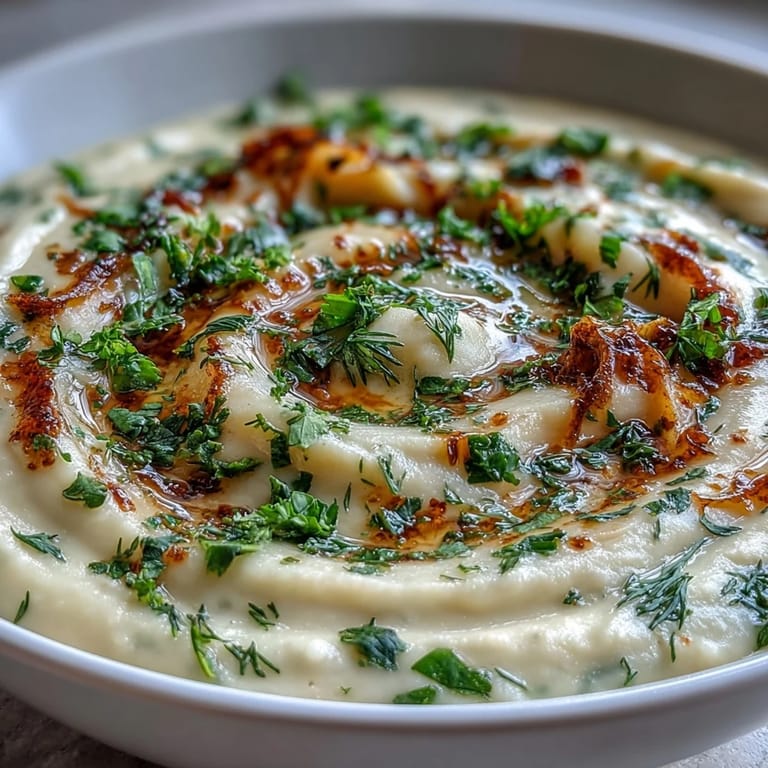
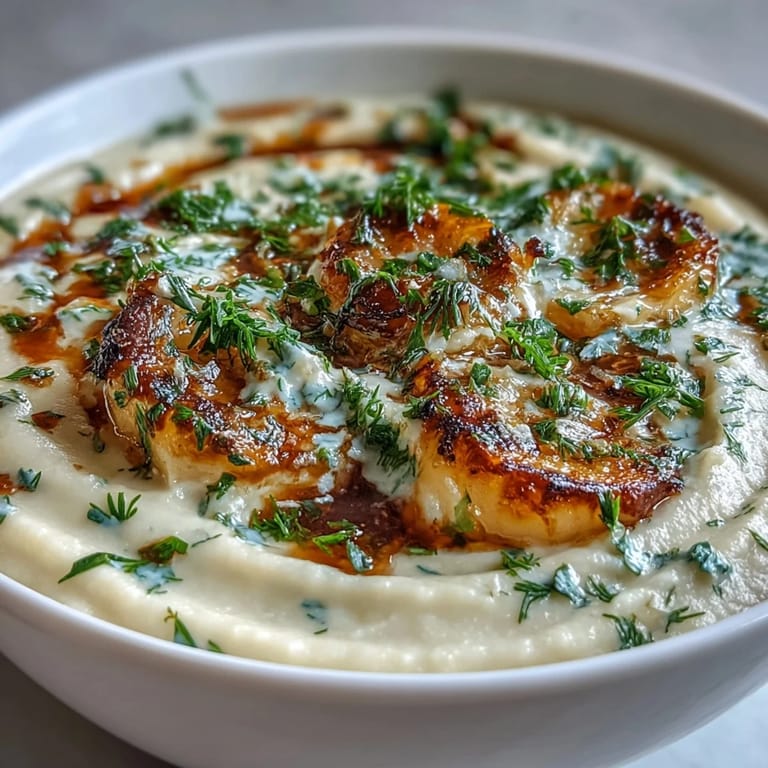
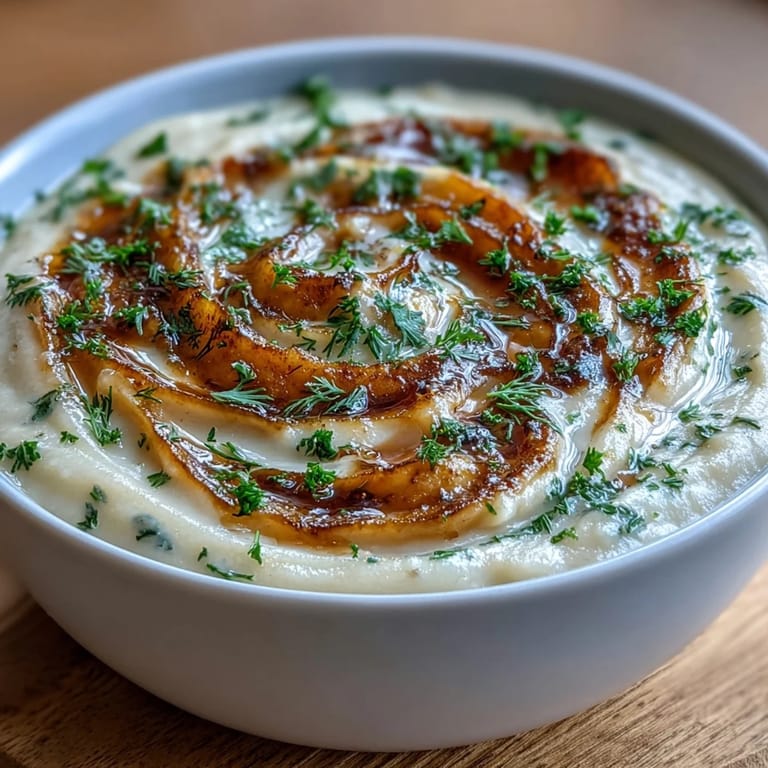
- Reheat gently if needed—you don't want it boiling or the cream will split—then ladle into bowls and finish generously with your fresh herbs. The contrast of the vibrant herbs against the pale, warm soup is part of the whole experience.
 Save
Save There was a moment, stirring a spoonful through the finished soup and watching the herbs scatter across the surface, when I understood why people say food is memory. This bowl tasted like the day my neighbor shared her garden with me, like Sunday afternoons moving slower, like the specific kindness of feeding someone something warm when the weather turns cold.
Making It Your Own
The beauty of this soup is how forgiving it is once you understand the basic technique. I've made it with almost no cream on nights when I wanted something lighter, and it was just as comforting. I've added a squeeze of lemon juice to cut through the richness, scattered toasted seeds on top for texture, and even stirred in a spoonful of wholegrain mustard one afternoon when I was experimenting. The parsnips are solid enough to handle experimentation—they won't let you down if you roast them properly.
Serving and Storage
Serve this soup with crusty bread for soaking up the last spoonfuls, or with a simple green salad on the side if you want something lighter. It keeps beautifully in the refrigerator for up to four days, and it freezes well too—I often make a double batch and freeze half in portions for mornings when I need comfort in a bowl.
Small Moments That Matter
There's something almost meditative about watching vegetables transform from raw chunks into something that tastes like it's been simmering all day. You'll notice the smell changing as the parsnips roast—first earthy, then gradually sweeter, almost caramelized. Pay attention to that moment when the soup goes from textured to smooth in the blender; it's satisfying in a way that reminds you why people love cooking in the first place.
- If your blender isn't making it smooth enough on the first pass, give it another minute or two—patience here makes the difference between okay and genuinely silky.
- Taste the soup before adding the cream; sometimes the stock is saltier than expected, and knowing the baseline flavor helps you season correctly.
- Fresh herbs are non-negotiable, so if you don't have all of them, parsley and chives alone will still make the soup sing.
 Save
Save This soup taught me that the simplest dishes often hold the most warmth. It's the kind of recipe you'll return to again and again, and each time it'll taste a little different depending on which herbs you use and what mood you're in.
Recipe FAQs
- → Can I make this dairy-free?
Absolutely. Simply swap the double cream for coconut cream, cashew cream, or your preferred plant-based alternative. The soup remains just as velvety and satisfying.
- → Which herbs work best?
Fresh parsley and chives form the classic base, while dill and tarragon add lovely aromatic notes. Feel free to experiment with what you have on hand.
- → Why roast the parsnips first?
Roasting concentrates the natural sugars in parsnips, creating deeper sweetness and golden caramelization that boiling alone cannot achieve. It makes all the difference.
- → Can I freeze this?
Yes, this freezes beautifully. Cool completely, portion into containers, and freeze for up to 3 months. Thaw overnight and reheat gently, adding fresh herbs just before serving.
- → What can I serve alongside?
Crusty bread is perfect for dipping. A green salad with sharp vinaigrette cuts through the richness, or top with toasted pumpkin seeds for extra crunch.
- → Is the potato necessary?
The potato helps thicken and create that silky texture. You can omit it, but the soup will be slightly thinner. An extra parsnip works as an alternative.