 Save
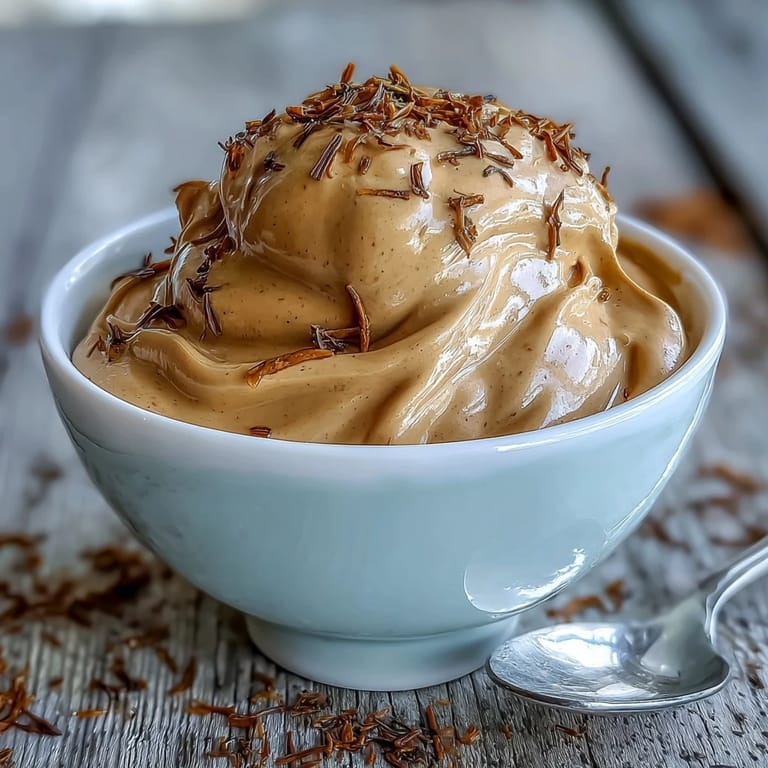
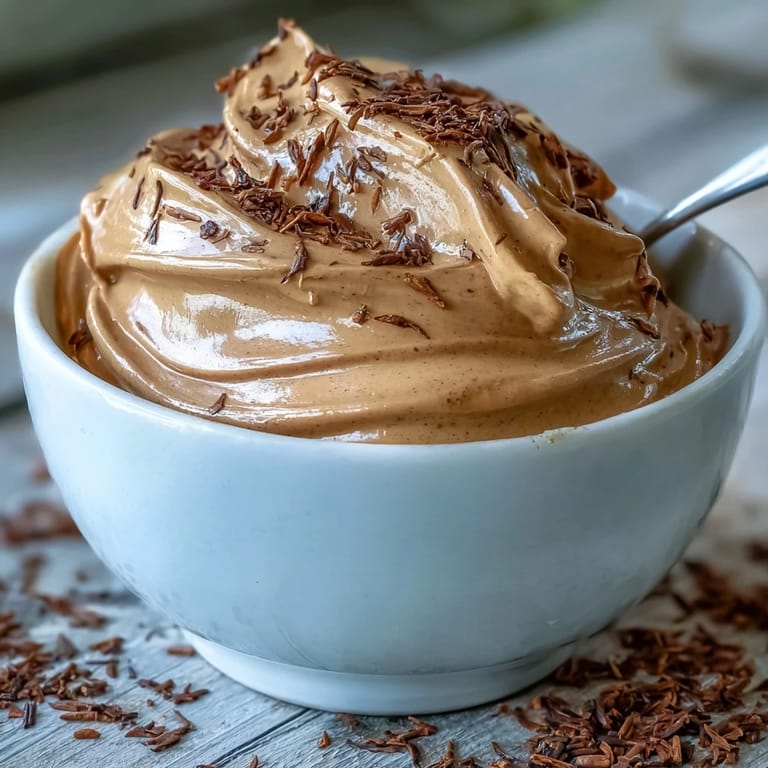
Save This Hojicha Pastry Cream is a silky, aromatic custard infused with roasted hojicha tea, perfect for filling cream puffs, éclairs, or layering in refined desserts. The toasted tea lends a nutty, mellow flavor and subtle smokiness to classic crème pâtissière, offering a sophisticated Japanese-French fusion twist to your favorite pastry projects.
Save Steeping the roasted tea leaves directly in the milk allows for maximum flavor extraction, giving the cream its signature deep-tan color and earthy aroma. This recipe is an excellent way to introduce more complex, less traditional flavors into your baking repertoire.
Ingredients
Tired of Takeout? 🥡
Get 10 meals you can make faster than delivery arrives. Seriously.
One email. No spam. Unsubscribe anytime.
- Dairy: 2 cups (480 ml) whole milk, 3 tablespoons (40 g) unsalted butter
- Tea: 3 tablespoons (about 5 g) hojicha loose leaf tea or 3 hojicha tea bags
- Eggs: 4 large egg yolks
- Sweeteners: 1/2 cup (100 g) granulated sugar
- Starch & Flavorings: 3 tablespoons (25 g) cornstarch, 1/2 teaspoon vanilla extract, Pinch of salt
Instructions
- Step 1
- In a medium saucepan, heat the milk over medium heat until steaming but not boiling.
- Step 2
- Add the hojicha tea. Remove from heat, cover, and steep for 10 minutes.
- Step 3
- Strain the milk through a fine mesh sieve, pressing the tea leaves to extract maximum flavor. Discard leaves.
- Step 4
- In a mixing bowl, whisk together egg yolks, sugar, cornstarch, and salt until smooth and pale.
- Step 5
- Gradually pour the warm hojicha-infused milk into the yolk mixture, whisking constantly to temper the eggs.
- Step 6
- Return the mixture to the saucepan. Cook over medium heat, whisking constantly, until thickened and bubbling, about 2–3 minutes.
- Step 7
- Remove from heat and whisk in butter and vanilla extract until fully incorporated.
- Step 8
- Transfer pastry cream to a clean bowl. Press plastic wrap directly onto the surface to prevent a skin from forming.
- Step 9
- Chill in the refrigerator for at least 1 hour, or until completely cool and set.
- Step 10
- Before using, whisk briefly to smooth out the cream.
Zusatztipps für die Zubereitung
To ensure a perfectly smooth custard, make sure to whisk the egg yolk mixture vigorously until it becomes pale before adding the warm milk. Constant whisking while cooking the cream in the saucepan is essential to avoid lumps and burning on the bottom.
Varianten und Anpassungen
If you prefer using hojicha powder instead of loose leaf tea, whisk 2 teaspoons of the powder directly into the milk while heating. For a lighter, airier texture, you can fold in some whipped cream after the pastry cream has completely cooled.
Serviervorschläge
This cream pairs exceptionally well with matcha-flavored choux pastry for a striking color contrast and complementary tea flavor. It can also be used as a sophisticated filling for layer cakes or served in a glass with fresh berries.
 Save
Save Enjoy the mellow, toasted essence of this unique hojicha cream in your favorite desserts. Its balanced sweetness and rich texture make it a standout choice for any pastry lover.
Recipe FAQs
- → What makes hojicha pastry cream different from vanilla?
Hojicha adds roasted, nutty flavors with subtle smokiness from the toasted tea leaves, creating depth that vanilla alone cannot achieve.
- → Can I make this pastry cream ahead of time?
Yes, store in the refrigerator with plastic wrap pressed directly onto the surface for up to 3 days. Whisk briefly before using to restore smoothness.
- → What desserts pair best with hojicha cream?
Excellent for filling cream puffs and éclairs, layering in cakes, or folding into whipped cream for a lighter mousse-like texture.
- → Can I use hojicha powder instead of loose leaf?
Absolutely. Use 2 teaspoons hojicha powder whisked directly into the milk without steeping or straining. This yields a more intense flavor.
- → Why did my pastry cream turn lumpy?
Lumps usually form from eggs cooking too quickly. Always temper eggs by gradually adding warm milk while whisking constantly, and cook over medium heat while whisking continuously.
- → How do I prevent a skin from forming on the surface?
Press plastic wrap directly onto the surface of the cream while chilling. This prevents air exposure and keeps the texture perfectly smooth.