 Save
Save There's something about hojicha that stops me mid-breath—that toasted, almost nutty smell creeping through the kitchen while the leaves steep. A friend brought back a tin from Kyoto years ago, and I'd been steeping it in hot water like everyone else until one quiet afternoon I wondered what it might taste like as something creamier, softer. That first silky spoonful changed how I thought about tea entirely.
I made this for my mother after she mentioned feeling tired of typical desserts, and watching her close her eyes after the first spoonful told me everything. She asked for the recipe immediately, which meant she was already planning to make it herself. That's when I knew this pudding had become something worth keeping close.
Ingredients
- Whole milk: Use the freshest milk you have—it carries the hojicha flavor without competing, and fresher milk makes a silkier custard.
- Heavy cream: This is what gives the pudding its luxurious mouth-feel, so don't skimp or substitute with half-and-half.
- Hojicha loose leaf tea: The roasted green tea is the star; loose leaves steep better than bags and give cleaner flavor, though bags work fine if that's what you have.
- Granulated sugar: Keep it simple—refined sugar dissolves smoothly into the custard without texture.
- Large eggs: Room temperature eggs incorporate more smoothly and create a creamier custard without lumps.
- Vanilla extract: A whisper of vanilla deepens the hojicha without announcing itself.
Tired of Takeout? 🥡
Get 10 meals you can make faster than delivery arrives. Seriously.
One email. No spam. Unsubscribe anytime.
Instructions
- Heat the cream and milk gently:
- Pour both into a saucepan and watch it carefully over medium heat until tiny bubbles form around the edges—you want that warm, steamy smell but never a rolling boil. Overheating scrambles everything that comes next.
- Steep the hojicha:
- Once you turn off the heat, add the tea leaves and let them sit for 5 to 7 minutes, releasing that toasted aroma into the cream. Strain through a fine sieve, pressing gently on the leaves to extract every bit of flavor.
- Whisk sugar and eggs into paleness:
- In a separate bowl, whisk the eggs and sugar together for about a minute until the mixture lightens in color and becomes thick—this is the foundation of a smooth custard. Don't rush this step.
- Temper the eggs carefully:
- Pour the warm hojicha cream into the egg mixture in a thin, steady stream while whisking constantly to prevent the eggs from curdling. This gradual warming is the secret to silkiness.
- Add vanilla and strain once more:
- Stir in the vanilla, then pour everything through a fine sieve into a clean saucepan to catch any bits of cooked egg or loose tea particles that might have slipped through.
- Cook to custard consistency:
- Over low heat, stir with a spatula continuously until the mixture coats the back of the spoon thickly enough that you can draw a line through it with your finger. This takes about 5 to 7 minutes, and the moment it's ready, pull it off the heat—one extra minute of heat and it breaks.
- Chill and set:
- Pour into glasses or ramekins, cool to room temperature first so condensation doesn't water down the pudding, then refrigerate for at least 2 hours until it's properly set and cold.
 Save
Save There was a moment when my grandmother tasted this that she didn't say anything at all, just kept eating slowly, thoughtfully. When she finally spoke, she asked if I'd add a touch of honey next time and maybe serve it with fresh raspberries. That quiet collaboration—her suggestion becoming part of how I make it now—that's when dessert becomes something more than just food.
Why Hojicha Works in Custard
Hojicha is roasted green tea, which means it's already been processed to remove some of the sharp grassy notes and replaced with warm, toasted flavors that hint at caramel and chestnuts. In a custard, those subtle roasted notes don't compete with the eggs and cream—they enhance them, creating a depth that regular green tea never could. It's the difference between whispering and shouting, and this dessert is all about whispering.
Temperature and Timing Matter More Than You Think
I once made this pudding too quickly, rushing the cooking step and burning the bottom slightly—not badly, but enough that the finished custard had a bitter edge. Now I use low heat, keep the spatula moving constantly, and actually watch for that glossy moment when it's ready rather than timing by the clock. The difference between a pudding you enjoy and one you want to serve again comes down to patience and attention.
Serving and Storage Secrets
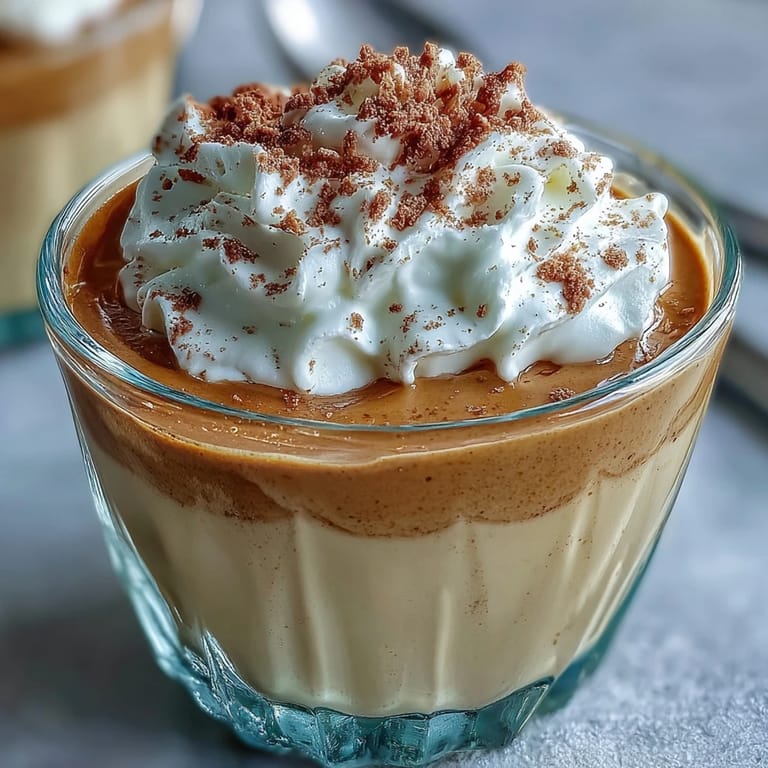
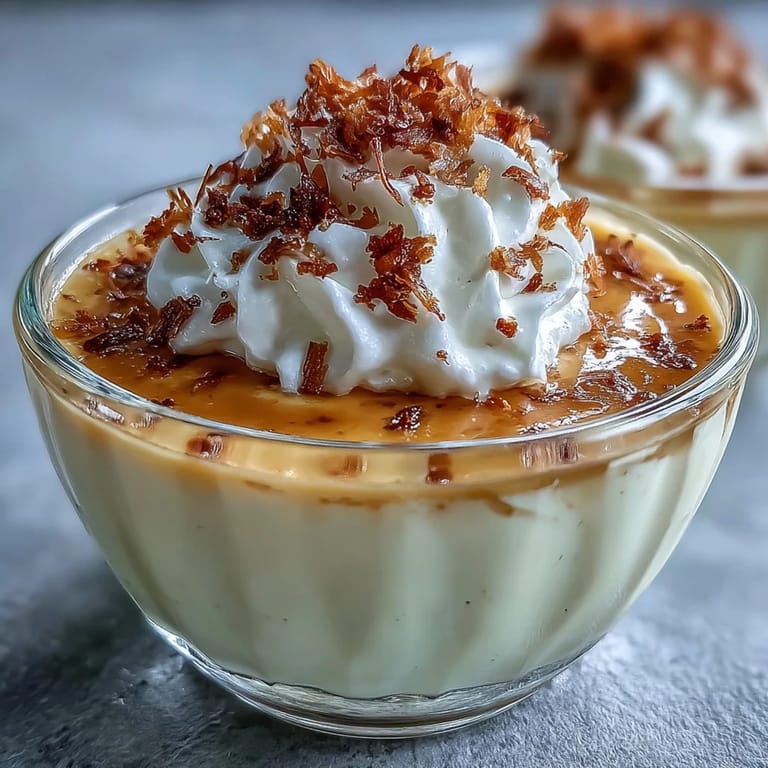
This pudding tastes best served cold but not ice-cold straight from the freezer—let it sit at room temperature for five minutes before eating so the hojicha flavor blooms fully on your tongue. It keeps beautifully in the fridge for up to three days, covered, making it perfect for planning ahead. A spoonful of whipped cream on top isn't just decoration; it creates a textural contrast that makes each spoonful more interesting.
- Dust the whipped cream with a tiny pinch of hojicha powder or cocoa for visual elegance and an extra flavor hit.
- Fresh raspberries or a drizzle of honey add brightness that cuts through the richness without overwhelming the tea's subtle character.
- Serve in clear glasses so guests can see the gorgeous color—that caramel-brown hue is part of the beauty.
 Save
Save Making hojicha pudding has become my small ritual when I want to create something that feels special without the fuss. It's the kind of dessert that says you were thinking of your guests, but not so complicated that you're stressed while making it.
Recipe FAQs
- → What does hojicha taste like?
Hojicha offers a naturally earthy, roasted flavor with subtle notes of caramel and low astringency. Unlike other green teas, the roasting process creates a warm, nutty profile that pairs beautifully with creamy desserts.
- → Can I make this ahead of time?
Absolutely. This custard actually improves after chilling for several hours or overnight. The flavors meld together beautifully, making it perfect for preparing a day before serving.
- → How do I know when the custard is thick enough?
The custard is ready when it coats the back of a wooden spoon and you can draw a line through it that holds its shape. This typically takes 5-7 minutes of gentle stirring over low heat.
- → Why strain the mixture twice?
The first straining removes tea leaves after infusing. The second ensures any bits of cooked egg are removed, guaranteeing that perfectly silky, smooth texture that defines a quality custard.
- → Can I use hojicha powder instead of leaves?
Yes, simply substitute 2 teaspoons of hojicha powder and whisk it directly into the warm milk mixture. This eliminates the need for straining and creates an even more intense tea flavor.