 Save
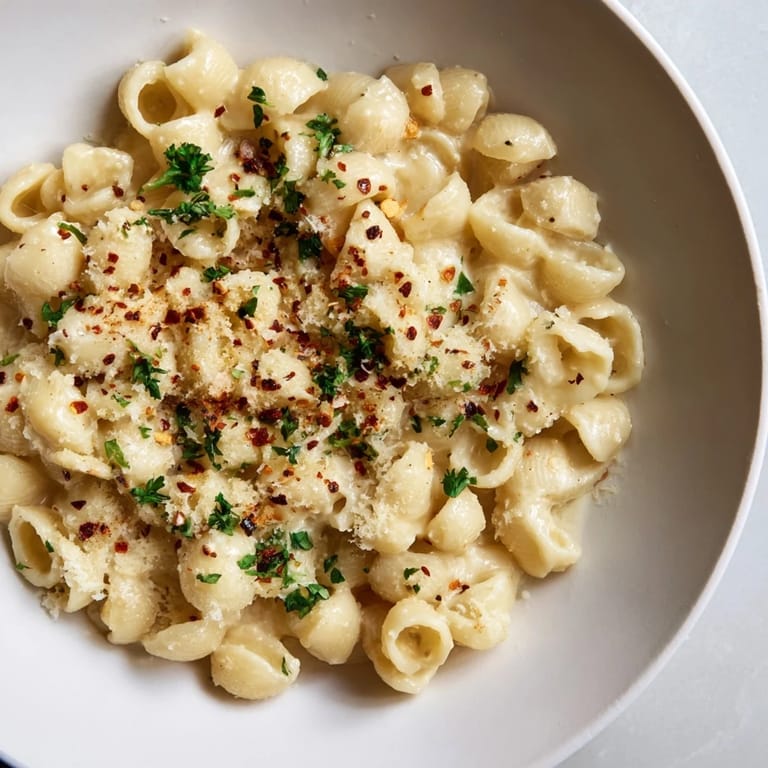
Save There's something about the smell of garlic hitting hot oil that makes you feel like you're cooking something special, even when it's just a weeknight dinner. I stumbled onto this creamy ditalini pasta on an evening when I had nothing but a half-empty carton of half-and-half and a head of garlic that needed using. What started as improvisation became something I find myself craving—a dish that feels indulgent without the heaviness of classic cream sauces. It's the kind of meal that makes you forget you're being good by choosing lighter ingredients.
I made this for a friend who'd just moved into their first apartment with a real stove, and watching them realize they could make restaurant-quality food at home in under thirty minutes was genuinely rewarding. They called me the next week to say they'd made it three times already, and that's when I knew this recipe had staying power.
Ingredients
- Ditalini pasta (300 g): These tiny tube shapes are essential—they trap sauce like little pockets, giving you creaminess in every forkful, unlike longer pastas that let the sauce slide off.
- Olive oil (1 tablespoon): Don't skip this or use a cooking spray; you need the fat to carry the garlic flavor and prevent sticking.
- Garlic (4 cloves, finely minced): Mince it small so it melts into the sauce rather than leaving chunks—and never let it brown or it turns bitter and ruins everything.
- All-purpose flour (2 tablespoons): This is your thickening agent, creating the roux that transforms liquid into that silky cream sauce.
- Half-and-half (480 ml): The star ingredient that gives you creaminess without heaviness; regular whole milk won't thicken properly, and heavy cream is overkill.
- Vegetable broth (60 ml): Low-sodium is critical here because you're adding salty Parmesan—this keeps the final dish from tasting like a salt lick.
- Parmesan cheese (40 g): Freshly grated makes a difference; the pre-shredded stuff has anti-caking agents that make the sauce grainy.
- Salt and black pepper: Taste as you go—you'll need less salt because the cheese brings its own savory punch.
- Red pepper flakes (pinch, optional): A tiny amount adds brightness and prevents the dish from feeling one-note or heavy.
- Fresh parsley (2 tablespoons, chopped): Don't skip the garnish; it adds a fresh, herby note that cuts through the richness.
Tired of Takeout? 🥡
Get 10 meals you can make faster than delivery arrives. Seriously.
One email. No spam. Unsubscribe anytime.
Instructions
- Get Your Pasta Water Ready:
- Fill a large pot with salted water—it should taste like the sea. Bring it to a rolling boil and add the ditalini, stirring occasionally so the tiny tubes don't clump together. Cook to al dente according to the package, then scoop out and reserve half a cup of that starchy pasta water before draining.
- Bloom the Garlic:
- While pasta cooks, warm the olive oil in a large skillet over medium heat until it shimmers slightly. Add your minced garlic and listen for the gentle sizzle—this should take about 1 to 2 minutes until it becomes fragrant and light golden, not brown.
- Make Your Roux:
- Sprinkle the flour over the garlic and stir constantly for exactly one minute, coating everything evenly. You're creating a paste that will thicken your sauce, so keep moving the whisk or spoon.
- Whisk in the Cream Base:
- Pour in the half-and-half slowly while whisking continuously to avoid lumps, then add the broth. Keep whisking steadily for 3 to 4 minutes until the mixture thickens and coats the back of a spoon.
- Season and Finish the Sauce:
- Stir in the grated Parmesan, salt, pepper, and red pepper flakes if using. Let it simmer gently for 2 more minutes, tasting and adjusting the seasoning because this is your last chance.
- Combine and Adjust:
- Toss the drained pasta into the sauce, coating every little tube. If it's too thick, add that reserved pasta water a splash at a time until it reaches creamy but not soup-like consistency.
- Serve with Intention:
- Remove from heat immediately, garnish with fresh parsley and extra Parmesan, and eat it while it's still warm and the sauce is at its silkiest.
 Save
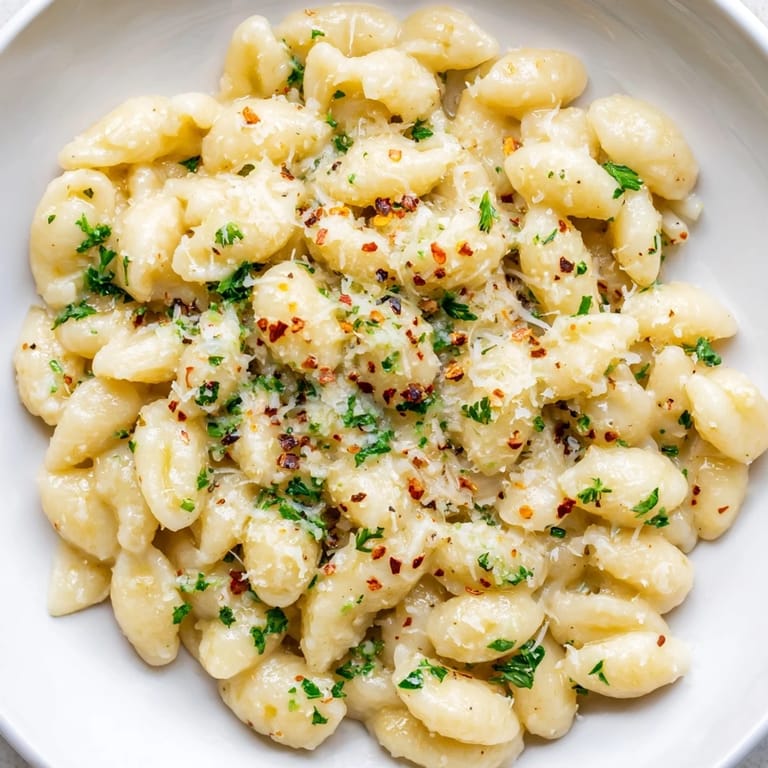
Save There's a moment when you stir that Parmesan in and the sauce becomes this glossy, golden thing that catches the light—that's when you know you've nailed it. That's when even a simple Tuesday night feels a little bit like an occasion.
The Magic of Half-and-Half
I used to think creamy pasta meant heavy cream or bust, but half-and-half is the truth I wish I'd known earlier. It gives you that luxurious mouthfeel without the guilt or the way heavy cream sometimes breaks when it hits acidic ingredients. The sweetness of half-and-half also complements the garlic beautifully, making the dish feel more refined than you'd expect from something so easy.
Customizing Without Losing the Soul of the Dish
The beauty of this recipe is that it's a canvas. Sautéed mushrooms add earthiness, cooked chicken turns it into a more protein-forward meal, and some people swear by adding a splash of white wine before the broth. I've even made it with fresh thyme stirred in at the end, which adds a sophisticated herby layer. The key is not to overthink it—this dish works because of its simplicity, so any additions should respect that.
Timing and Temperature Matter More Than You Think
Temperature control is what separates a silky sauce from a broken, grainy one. Keep everything at a gentle simmer, not a rolling boil, and whisk steadily when you're incorporating the cream. I learned this the hard way when I rushed through the process once and ended up with something that looked curdled. Now I treat this step like meditation—slow, intentional, present.
- If your sauce breaks or looks grainy, strain it through fine mesh and start over with a fresh base; it's faster than trying to save it.
- Cook the ditalini slightly under al dente if you're serving immediately, as it softens a bit more in the hot sauce.
- Leftovers reheat best gently with a splash of milk or broth stirred in, never at high heat.
 Save
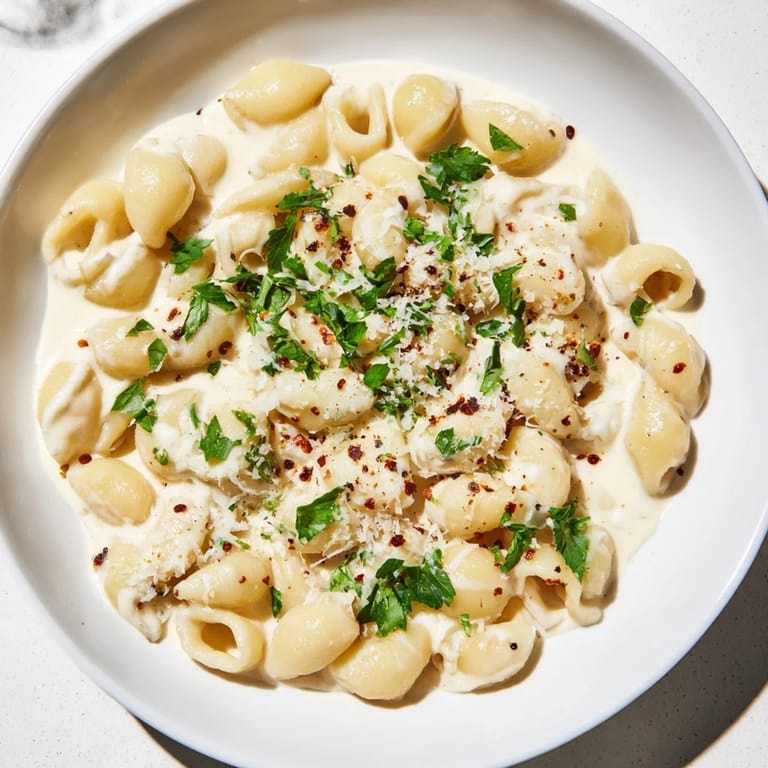
Save This dish is proof that simple cooking done with attention and care tastes infinitely better than something complicated made on autopilot. Keep making it until you know it by heart.
Recipe FAQs
- → Can I use whole wheat ditalini pasta?
Yes, substituting whole wheat ditalini adds fiber and a nuttier flavor while keeping the dish wholesome.
- → How do I prevent garlic from burning?
Sauté garlic over medium heat for just 1-2 minutes until fragrant but not browned to avoid bitterness.
- → What is the purpose of reserved pasta water?
Adding reserved pasta water helps adjust the sauce's consistency, making it silkier and better at coating the pasta.
- → Can I make this dish vegan or dairy-free?
For a dairy-free version, substitute half-and-half and Parmesan with plant-based alternatives, but note the flavor and texture will differ.
- → Is it possible to add protein to this dish?
Yes, cooked chicken or sautéed mushrooms make excellent protein additions and complement the creamy garlic flavor well.