 Save
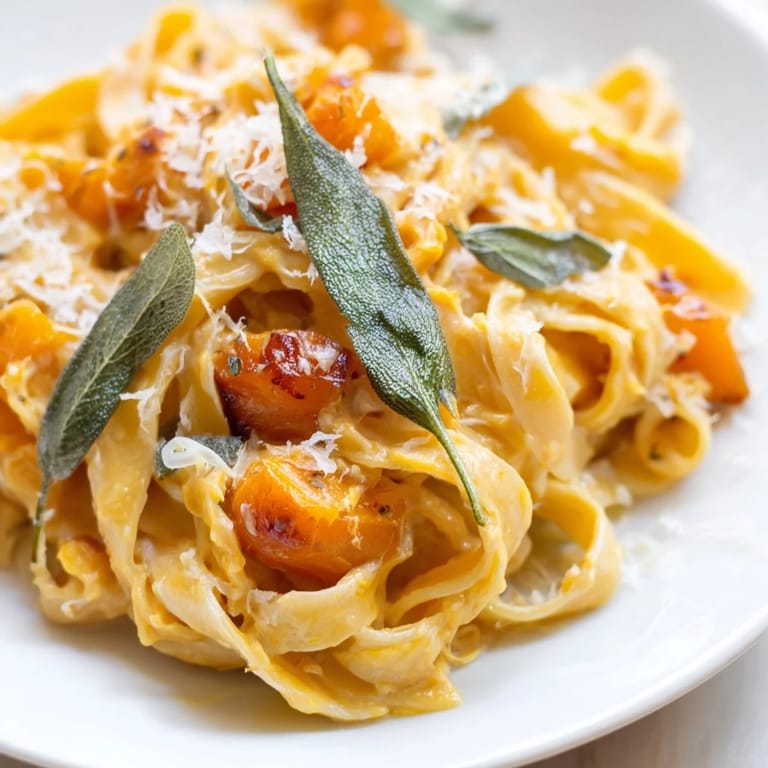
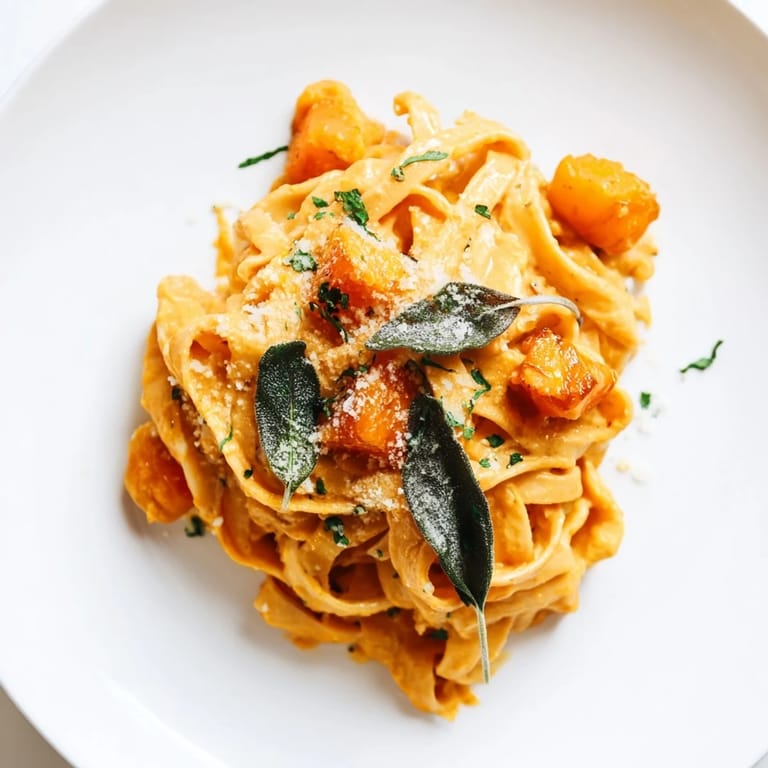
Save There's something about roasting butternut squash that transforms your whole kitchen—the way the oven fills with that sweet, caramelized warmth makes you want to stay in there all afternoon. One October, I was standing at the farmers market, overwhelmed by pumpkins and squash, when an older woman mentioned she just blended roasted squash into pasta sauce. It sounded deceptively simple, but that one suggestion became this creamy, comforting dish that tastes like autumn decided to show up on a plate. Now it's what I make when the air gets crisp and I want something that feels both nourishing and luxurious.
I made this for my roommate on her first rough week at a new job, and watching her face soften at that first bite reminded me why simple food matters so much. There's something about a warm bowl of creamy pasta that says more than words—it says you're thinking of someone, that you care enough to spend time at the stove. She asked for the recipe the next day, and I've watched her make it for herself ever since.
Ingredients
- Butternut squash (1 medium, about 2 lbs, peeled, seeded, and cubed): The star of the show—roasting brings out its sweetness and creates a natural creaminess when blended, so don't skip the peeling step even though it's a bit tedious.
- Garlic (2 cloves, unpeeled): Roasting mellows the garlic into something almost sweet and spreadable, so you'll want to squeeze it straight out of its papery skin.
- Yellow onion (1 small, diced): This adds a subtle depth that keeps the sauce from tasting one-dimensional; sauté it until it's translucent and soft.
- Fresh sage (1 tablespoon chopped, or 1 teaspoon dried): Sage is the herb that makes this feel intentional rather than accidental—don't substitute it lightly.
- Fettuccine or tagliatelle (12 oz dried): Wide ribbons catch the sauce better than thin pasta, though fresh pasta is lovely if you have it on hand.
- Olive oil (2 tablespoons total): Split between roasting the squash and sautéing the aromatics—good quality oil matters here.
- Heavy cream (1/2 cup, or full-fat coconut milk for vegan): This is what makes the sauce luxurious without feeling heavy; the dairy adds a gentle richness.
- Parmesan cheese (1/3 cup grated): Adds a salty, umami note that ties everything together beautifully.
- Vegetable broth (3/4 cup): Keeps the sauce from becoming too thick, so you can adjust the consistency to your preference.
- Salt, black pepper, and nutmeg: The nutmeg is optional but transforms the dish—it whispers rather than shouts, so use just a pinch.
- Fresh parsley (2 tablespoons, for garnish): A bright finish that cuts through the richness and makes the dish feel complete.
Tired of Takeout? 🥡
Get 10 meals you can make faster than delivery arrives. Seriously.
One email. No spam. Unsubscribe anytime.
Instructions
- Heat your oven and prep the squash:
- Set the oven to 400°F and line a baking sheet with parchment paper. This prevents sticking and makes cleanup effortless.
- Roast the squash and garlic:
- Toss the cubed butternut squash and unpeeled garlic cloves with 1 tablespoon olive oil, salt, and pepper, then spread on the baking sheet. Roast for 25–30 minutes, turning halfway through, until the edges are caramelized and a fork pierces the squash easily—that's when you know the magic is happening.
- Cook the pasta:
- While the squash roasts, bring a large pot of salted water to a boil and cook your pasta according to package instructions. Reserve 1/2 cup of the starchy pasta water before draining—this liquid gold helps adjust the sauce later.
- Build the aromatic base:
- Heat the remaining 1 tablespoon olive oil in a large skillet over medium heat. Add the diced onion and sage, sautéing for about 4 minutes until the onion becomes soft and fragrant, which means it's ready to blend into the sauce.
- Blend everything into silk:
- Squeeze the roasted garlic out of its skin and combine it with the roasted squash, sautéed onion and sage, vegetable broth, and heavy cream in a blender or food processor. Blend until completely smooth and creamy, stopping to scrape down the sides if needed.
- Finish the sauce:
- Return the blended sauce to the skillet over low heat and stir in the Parmesan cheese and a tiny pinch of nutmeg, if using. Season with salt and pepper to taste, and if the sauce feels too thick, add a splash of reserved pasta water until it reaches the consistency you love.
- Bring it together:
- Add the cooked pasta to the sauce and toss gently, warming everything through for 2–3 minutes so the flavors marry.
- Serve with intention:
- Divide among bowls and top with fresh chopped parsley and extra Parmesan—these final touches add brightness and make the dish feel restaurant-worthy.
 Save
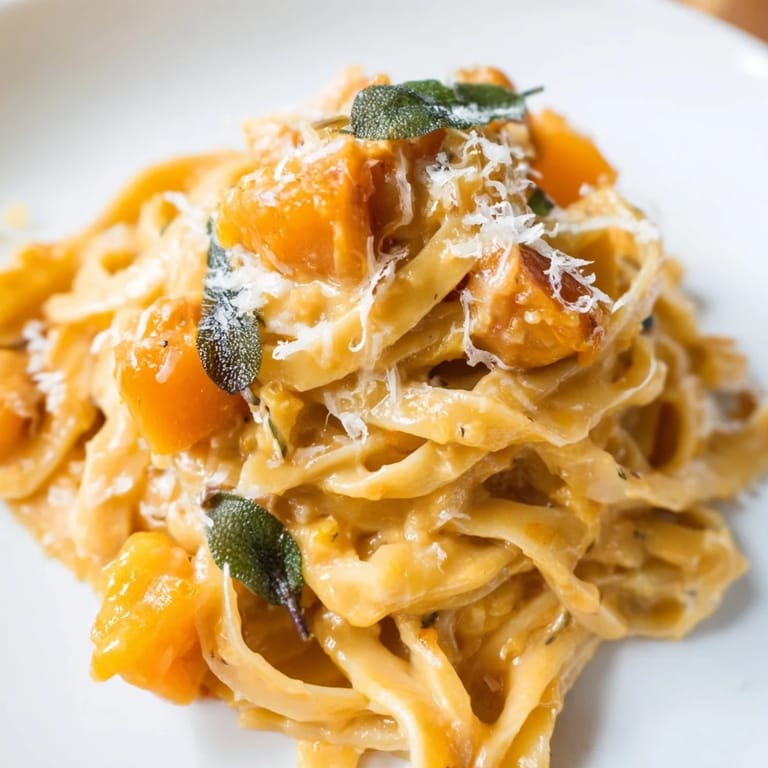
Save There was a moment last November when I served this to friends who had just moved into the neighborhood, and somehow between the pasta and the wine, we talked until midnight. That's when I realized this dish isn't just about butternut squash—it's about creating the kind of moment where people linger, where food becomes an invitation to slow down. Now whenever someone asks what I make when I want to feel grounded, this is my answer.
The Magic of Roasting
Roasting transforms butternut squash from pleasant to profound. The dry heat of the oven draws out water, concentrating sugars and creating those caramelized edges that taste almost like butter. When you blend roasted squash, you're not just making a puree—you're capturing all that concentrated sweetness and turning it into something silky that coats pasta like silk. I learned this the hard way after trying to make the sauce with raw squash once, and the difference was night and day.
Customizing Your Sauce
This recipe is flexible enough to bend to your mood and pantry. Some nights I add a handful of crispy sage leaves stirred in at the end, or a scatter of toasted walnuts for crunch. Other times, I'll sauté mushrooms or spinach alongside the onions so they become part of the sauce itself. The base is sturdy enough to support additions without falling apart—that's the sign of a recipe that knows itself.
Making It Vegan Without Compromise
The beauty of this dish is that it's naturally vegan-friendly with just two swaps—use full-fat coconut milk instead of heavy cream and reach for cashew cream or store-bought vegan Parmesan. I've made it both ways side by side, and honestly, the vegan version holds its own completely. The butternut squash provides most of the richness anyway, and the cream just amplifies what's already there.
- Full-fat coconut milk adds tropical sweetness, so taste and adjust your seasoning accordingly.
- Nutritional yeast can replace or supplement vegan Parmesan for extra umami depth.
- Cashew cream (soaked cashews blended with water) creates a luxurious mouthfeel that dairy cream lovers appreciate.
 Save
Save This dish has become my autumn comfort recipe because it tastes like care and feels like home in a bowl. Make it when you need warmth, share it with someone who needs slowing down, and watch how something so simple becomes something that stays with people.
Recipe FAQs
- → Can I use canned butternut squash puree instead of fresh?
Yes, canned puree works well. Use about 1.5 cups of unseasoned puree to replace fresh roasted squash. Skip the roasting step and blend directly with the other ingredients. The flavor will be slightly different but still delicious.
- → What pasta shapes work best with this sauce?
Wider ribbon pastas like fettuccine, tagliatelle, or pappardelle are ideal as they hold the creamy sauce beautifully. Fresh pasta absorbs the sauce wonderfully, but dried varieties work equally well.
- → How do I make this dish vegan?
Replace heavy cream with full-fat coconut milk or oat cream, and use vegan Parmesan or nutritional yeast. The sauce remains equally creamy and satisfying without any dairy products.
- → Can I prepare the sauce ahead of time?
Yes, the squash sauce keeps refrigerated for up to 3 days. Reheat gently on the stovetop, thinning with pasta water or broth as needed. Cook the pasta fresh just before serving for best texture.
- → What should I serve alongside this pasta?
A crisp white wine like Pinot Grigio complements the creamy squash beautifully. Pair with a fresh green salad and crusty bread to round out the meal. Roasted vegetables add extra flavor and nutrition.
- → How do I prevent the sauce from becoming too thick?
Reserve pasta cooking water before draining and add it gradually while reheating the sauce. Start with a small amount and adjust until you reach your desired consistency. The sauce should coat the pasta without pooling excessively.