 Save
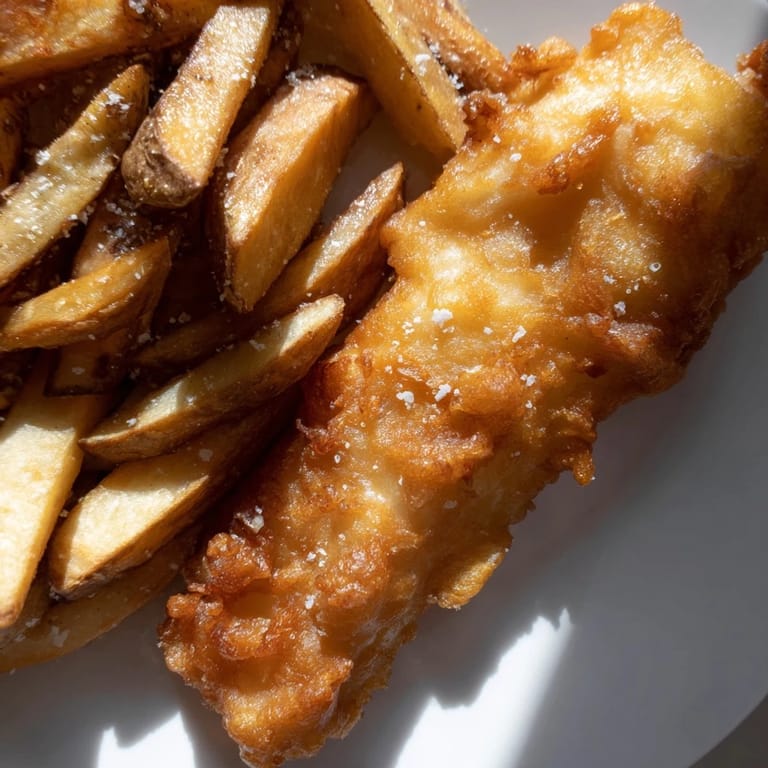
Save There's something about the smell of fish and chips frying that instantly transports me to the seaside, even when I'm standing in my own kitchen miles from the coast. My first proper attempt at making this at home was born from stubbornness—I'd had disappointing takeaway versions too many times and decided it couldn't be that difficult. What I didn't expect was how meditative the whole process would become, from the first sizzle of the batter hitting hot oil to that satisfying crunch when you bite through the golden crust.
I made this for my neighbor one Friday night after he'd been helping me with garden work, and I'll never forget his face when he bit into that first piece of fish. He closed his eyes like he was experiencing something profound, and maybe he was—there's real comfort in food that's cooked with actual care and technique. That one meal sparked a weekly tradition, and now he won't let me skip making it.
Ingredients
- White fish fillets (cod or haddock): These meaty, mild fish hold their shape beautifully and absorb the batter perfectly; cod's slightly flakier texture is what I reach for most often, though haddock has a sweeter, more delicate flavor if you prefer.
- All-purpose flour and cornstarch: The cornstarch is the secret weapon here—it replaces some of the flour to create that incomparably crispy crust that shatters under your teeth instead of staying chewy.
- Baking powder: This tiny addition makes the batter puff up during frying, creating an airy, light coating rather than a dense shell.
- Cold sparkling water or beer: The coldness matters more than you'd think; it keeps the batter light and crispy, while the bubbles add extra lift and crunch.
- Russet or Maris Piper potatoes: Maris Piper is the authentic British choice for chips because it has the right starch content, but russets work beautifully if that's what you can find.
- Sea salt: The kind you sprinkle on at the end tastes different than table salt, brighter somehow, and it's absolutely worth keeping a box of fleur de sel just for this.
Tired of Takeout? 🥡
Get 10 meals you can make faster than delivery arrives. Seriously.
One email. No spam. Unsubscribe anytime.
Instructions
- Soak your potatoes like you mean it:
- Cut your potatoes into thick fries and submerge them in cold water for at least 15 minutes—this removes the excess starch that would make them gummy instead of fluffy. Pat them completely dry afterward; any water clinging to the surface will create unwanted splatters when they hit the oil.
- First fry at low temperature:
- Heat your oil to 150°C (300°F) and fry the chips for 4 to 5 minutes until they're tender but still pale. This step cooks them through without any color, and you can do this hours ahead of time if you're planning your meal.
- Make your batter just before frying:
- Whisk together the flour, cornstarch, baking powder, salt, and pepper, then slowly add cold sparkling water or beer until you have a consistency that coats the back of a spoon and drips off in ribbons. If you make it too far in advance, the bubbles dissipate and you lose the crispness.
- Crank up the heat for the chip finish:
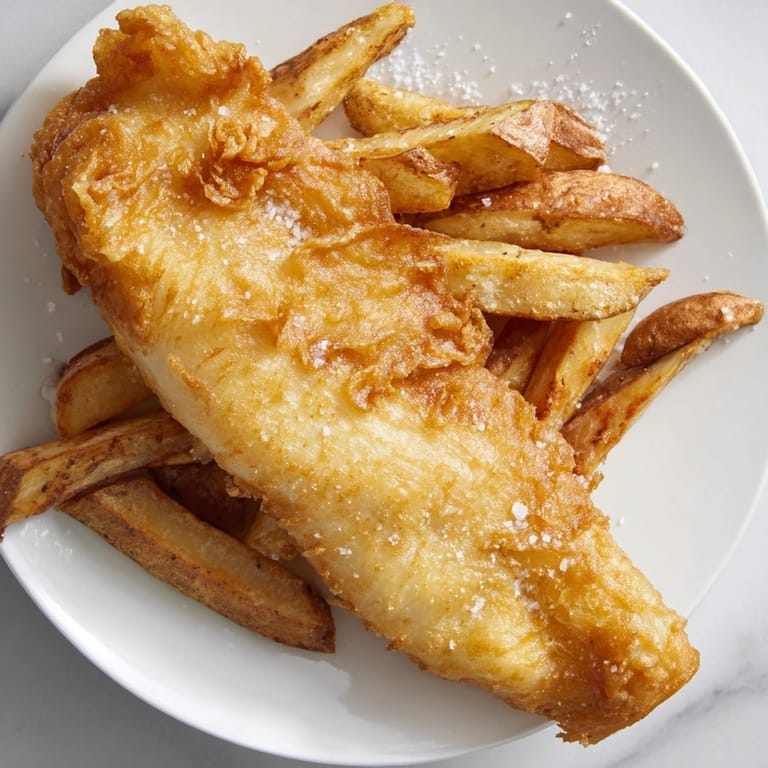
- Increase your oil to 190°C (375°F) and fry the par-cooked chips again for 2 to 3 minutes until they're deep golden and crackling. This second fry is what creates that contrast between the crispy outside and fluffy interior that makes people reach for a second piece before they've finished the first.
- Dust and dip your fish with confidence:
- Pat your fish fillets completely dry (moisture is the enemy of crispness), dust lightly with flour, then dip into the batter and let the excess drip back into the bowl. Gently lower the fillets into 190°C oil and fry for 5 to 7 minutes, turning once halfway through, until the coating is deep golden brown and the fish flakes easily when you poke it with a fork.
 Save
Save One rainy afternoon, my daughter helped me bread the fish for the first time, and she was so careful and methodical about it that each fillet came out perfectly coated. Watching her take such pride in the process reminded me that this isn't just about feeding people—it's about the small rituals and shared moments that happen in the kitchen. She's still the official fish-breader whenever we make this now.
The Science Behind the Crispness
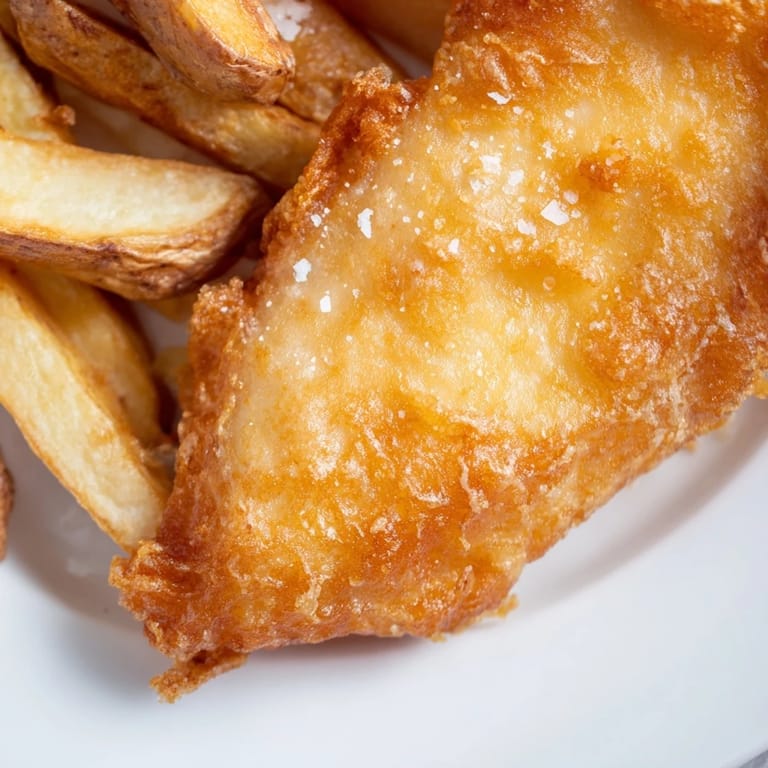
What makes the batter crack and shatter so satisfyingly comes down to the combination of cornstarch and the bubbles in the batter reacting to the heat of the oil. The cornstarch doesn't develop gluten the way regular flour does, which means the coating stays tender rather than tough, while the baking powder and cold liquid create tiny pockets of steam that escape during frying and leave behind a structure that's porous and crisp. Understanding this changed how I approach the recipe—it's not magic, but it feels like it when you nail the technique.
Building Your Oil Temperature Control
Getting the temperature right is honestly the hardest part of this whole recipe, and I spent months eyeballing it before I finally bought a thermometer and realized how far off my guesses were. If you're nervous about deep frying, start with a smaller batch and don't be shy about adjusting as you go—if the batter browns too fast, your oil is too hot; if it takes forever and absorbs too much oil, it's too cool. Once you've done this a few times, you'll start to recognize the sound and behavior of oil at the right temperature, and you won't need the thermometer anymore.
Serving and Variations That Work
Serve everything the moment it comes out of the oil, while the batter is still crackling and the chips are still steaming—this is not a dish that waits well. The traditional accompaniments of malt vinegar and tartar sauce aren't just flavor additions; the vinegar's acidity cuts through the richness of the fried fish beautifully, while the tartar sauce adds a briny, tangy contrast.
- If you want to go traditional, sprinkle malt vinegar over everything and let it soak in slightly for a moment before eating.
- Beer batter made with a pale ale or lager will give you a slightly different flavor than sparkling water and a crust that browns a bit faster, so watch it carefully.
- Mushy peas on the side are the authentic British accompaniment, and they add color and a different texture to the plate that feels intentional rather than obligatory.
 Save
Save This dish has taught me that sometimes the most satisfying meals aren't complicated or precious—they're the ones made with honest technique and served to people you want to spend time with. There's a reason fish and chips has endured for generations.
Recipe FAQs
- → What type of fish works best for British fish & chips?
Skinless, boneless white fish such as cod or haddock is ideal due to its mild flavor and flaky texture when fried.
- → Why soak the potatoes before frying?
Soaking removes excess starch, preventing the fries from sticking and ensuring they get crispy on the outside.
- → What makes the batter so crispy?
The combination of flour, cornstarch, and cold sparkling water or beer creates a light, airy coating that crisps beautifully when fried.
- → Why double-fry the chips?
Frying them twice ensures a soft, fluffy interior and a perfectly crunchy outside.
- → Can malt vinegar be substituted?
Yes, lemon wedges offer a bright, acidic alternative that complements the rich flavors well.
- → How to know when the oil is ready for frying?
Heat oil to around 150°C (300°F) for the first fry and 190°C (375°F) for the second to achieve optimal crispness without burning.