 Save
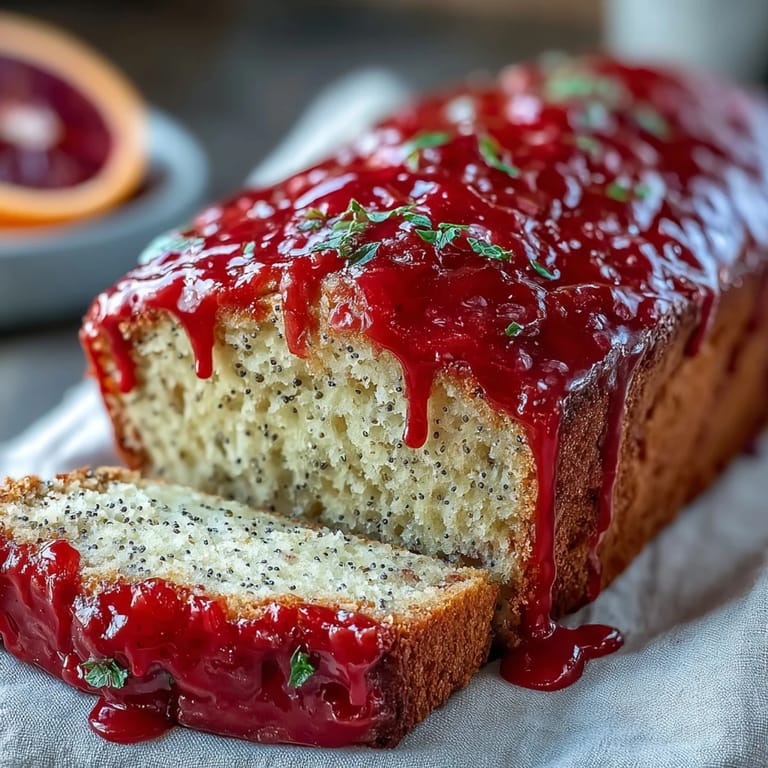
Save The kitchen smelled like winter citrus and almond paste when I first pulled this loaf from the oven. I had bought blood oranges on impulse at the market, drawn to their deep garnet flesh, and wasn't sure what to do with them until I remembered a half-used block of marzipan in the pantry. The poppy seeds were a last-minute addition, mostly because I loved the way they looked against the pink-orange batter. When I sliced into it the next morning, the crumb was so tender and fragrant, I knew this was going to be a keeper.
I baked this the morning my sister came over for tea, and she kept asking what made it taste so different from regular orange cake. When I told her it was marzipan, she laughed because she'd always thought she didn't like it. We sat by the window with our slices and a pot of Earl Grey, watching the snow fall outside. She took the recipe home with her that afternoon, and now she makes it every time blood oranges are in season.
Ingredients
- All-purpose flour: The structure of the loaf, sifted with baking powder and salt to ensure an even, tender crumb.
- Baking powder: Gives the cake its gentle lift without making it too airy or dry.
- Salt: Just a pinch to balance the sweetness and bring out the citrus and almond flavors.
- Poppy seeds: They add a subtle crunch and a gorgeous speckled look that makes each slice feel special.
- Unsalted butter: Softened to room temperature so it creams smoothly with the sugar and creates a rich, tender base.
- Granulated sugar: Sweetens the cake and helps create that light, fluffy texture when beaten with the butter.
- Blood orange zest: This is where the magic starts, the oils in the zest are intensely fragrant and floral.
- Large eggs: Bind everything together and add moisture, make sure they're at room temperature for the smoothest batter.
- Marzipan: Grated so it melts into the batter, adding almond sweetness and keeping the loaf incredibly moist.
- Blood orange juice: Freshly squeezed for the brightest, most vibrant flavor, it also gives the cake its beautiful blush.
- Whole milk: Adds richness and helps the batter come together without being too thick.
- Vanilla extract: A warm background note that ties the citrus and almond together beautifully.
- Powdered sugar: For the glaze, it dissolves easily and creates a smooth, glossy finish.
Tired of Takeout? 🥡
Get 10 meals you can make faster than delivery arrives. Seriously.
One email. No spam. Unsubscribe anytime.
Instructions
- Prep the pan and oven:
- Preheat your oven to 175°C and line your loaf pan with parchment paper, letting it hang over the sides so you can lift the cake out easily later. Grease the paper lightly to be safe.
- Mix the dry ingredients:
- Whisk together the flour, baking powder, salt, and poppy seeds in a medium bowl. Set it aside while you work on the wet mixture.
- Cream the butter and sugar:
- Beat the softened butter, sugar, and blood orange zest together until it's pale, fluffy, and fragrant, about three minutes. The zest releases its oils into the butter, which is where all that citrus flavor begins.
- Add the eggs:
- Beat in the eggs one at a time, making sure each one is fully mixed in before adding the next. The batter should look smooth and glossy.
- Fold in the marzipan:
- Grate the marzipan on a box grater and fold it gently into the batter. You'll see little flecks of almond paste throughout, and they'll soften and melt as the cake bakes.
- Combine the liquids:
- In a small bowl, stir together the blood orange juice, milk, and vanilla extract. This mixture will keep the batter from getting too thick when you add the flour.
- Alternate wet and dry:
- Add the flour mixture and the juice mixture to the batter in turns, starting and ending with the flour. Mix gently and just until combined, overmixing will make the cake dense.
- Fill the pan and bake:
- Pour the batter into your prepared loaf pan and smooth the top with a spatula. Bake for 45 to 55 minutes, until a toothpick comes out clean and the top is golden with a slight crack down the center.
- Cool completely:
- Let the cake cool in the pan for ten minutes, then lift it out using the parchment and set it on a wire rack. Wait until it's fully cool before glazing or it will soak in and disappear.
- Make and drizzle the glaze:
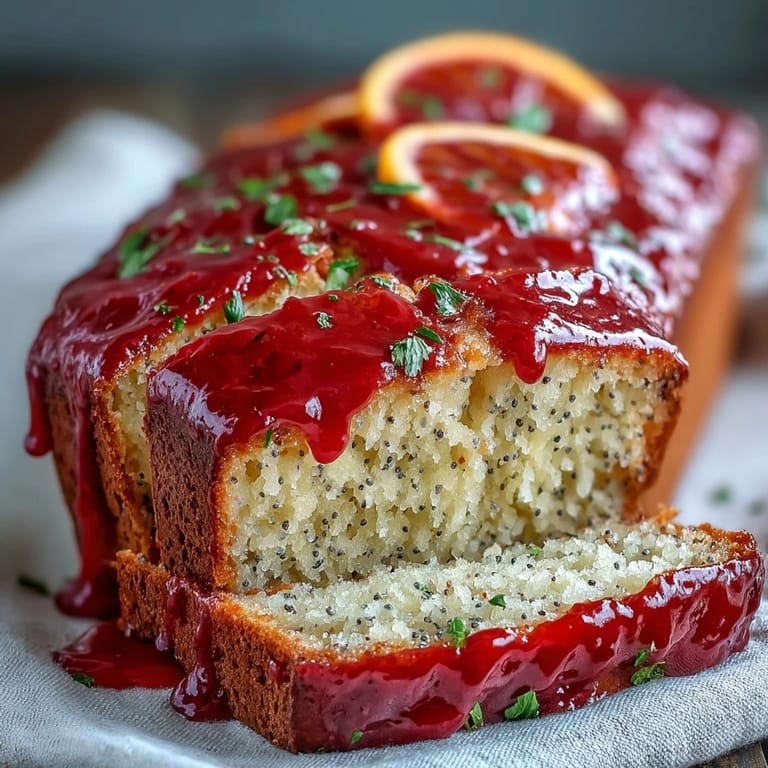
- Whisk powdered sugar with blood orange juice until it's smooth and pourable. Drizzle it over the cooled loaf and let it set for about ten minutes before slicing.
 Save
Save I served this at a small brunch last spring, and one guest asked if I'd trained as a pastry chef. I laughed and said no, just someone who loves citrus season and takes risks with leftover marzipan. That compliment stuck with me, though, because it reminded me that good baking doesn't have to be complicated, it just has to be made with care.
How to Choose the Best Blood Oranges
Look for blood oranges that feel heavy for their size and have firm, smooth skin without soft spots. The color on the outside doesn't always match the intensity inside, so don't worry if they look more orange than red. I usually buy a few extra so I can taste one before juicing, some batches are sweeter and some are more tart, and that helps me adjust the sugar in the glaze if needed. Peak season is usually January through March, so that's when you'll get the most vibrant color and flavor.
Make Ahead and Storage Tips
This loaf actually tastes better the day after you bake it, the flavors settle and the crumb softens just a little more. I usually bake it in the evening, let it cool overnight on the counter wrapped loosely in a clean towel, and glaze it in the morning. It keeps beautifully in an airtight container at room temperature for up to three days, or you can wrap it tightly and freeze it unglazed for up to a month. Just thaw it at room temperature and add the glaze fresh before serving.
Serving Suggestions and Pairings
I love serving this with a strong pot of Earl Grey or a floral green tea, the bergamot or jasmine notes echo the citrus in the cake. It's also stunning on a brunch table alongside Greek yogurt, fresh berries, and a drizzle of honey. If you want to dress it up, serve it with lightly sweetened whipped cream or a spoonful of crème fraîche.
- A small glass of chilled Prosecco makes it feel like a celebration.
- Try it toasted the next day with salted butter, it's a completely different experience.
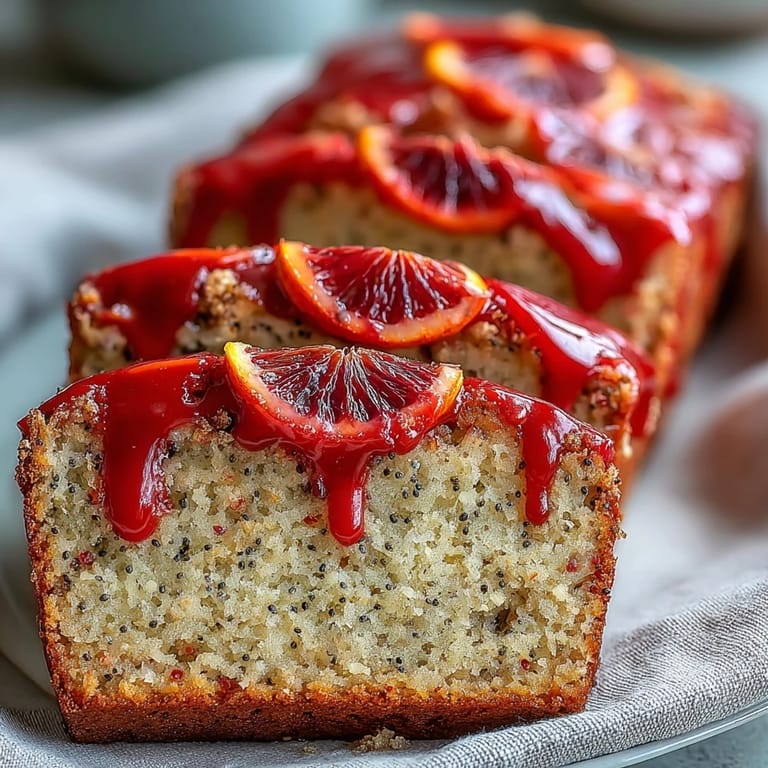
- Garnish the top with candied blood orange slices if you're feeling fancy.
 Save
Save This cake has become my go-to when I want to impress without stress. It's beautiful, fragrant, and somehow always tastes like you put in more effort than you did.
Recipe FAQs
- → Can I use regular oranges instead of blood oranges?
Yes, regular oranges work well as a substitute. You'll lose the distinctive ruby color and slightly berry-like flavor of blood oranges, but the cake will still be delicious and aromatic with bright citrus notes.
- → How do I know when the loaf cake is fully baked?
Insert a toothpick into the center of the cake—it should come out clean or with just a few moist crumbs. The top should be golden and spring back lightly when touched. Baking time typically ranges from 45 to 55 minutes depending on your oven.
- → Can I make this cake without marzipan?
While marzipan adds moisture and almond flavor, you can substitute it with almond paste or simply omit it. If removing it entirely, consider adding an extra tablespoon of butter and a quarter teaspoon of almond extract to maintain richness.
- → How should I store the loaf cake?
Store the glazed cake in an airtight container at room temperature for up to 3 days. For longer storage, wrap tightly and refrigerate for up to a week, or freeze unglazed for up to 3 months. Thaw at room temperature before glazing.
- → What can I serve with this cake?
This loaf pairs beautifully with Earl Grey or herbal tea, coffee, or a glass of Prosecco. For extra indulgence, serve slices with whipped cream, mascarpone, or a dollop of crème fraîche.
- → Can I make this cake gluten-free?
Yes, substitute the all-purpose flour with a 1:1 gluten-free baking flour blend. Ensure your baking powder and other ingredients are certified gluten-free. The texture may be slightly denser but still delicious.