 Save
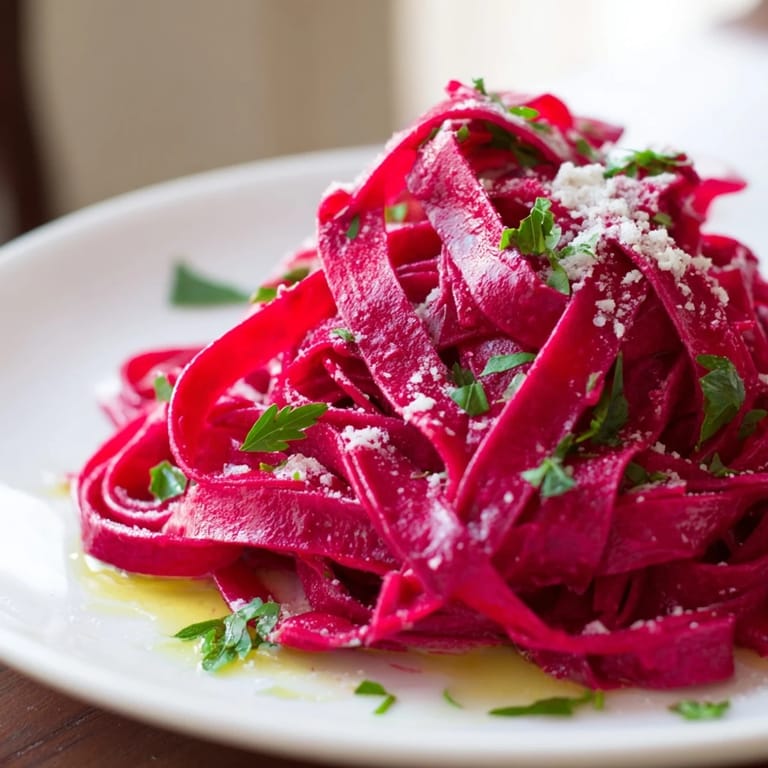
Save My kitchen smelled like earthy sweetness the afternoon I first wrapped a beet in foil and watched it transform in the oven. A friend had brought over a bunch of magenta beets from the farmer's market, and instead of roasting them as a side dish, I wondered what would happen if I folded that color straight into pasta dough. The result was so stunning that my partner actually stopped mid-conversation to stare at the finished noodles on the plate. It felt like edible art, something that tasted as good as it looked, with a gentle earthiness and natural sweetness that no food coloring could ever replicate. That first batch taught me that the best recipes often come from simple curiosity and a willingness to experiment.
I made this pasta for a dinner party last spring, and watching everyone's faces light up when they saw those magenta noodles arrive at the table was worth every minute of the prep work. One guest actually took a photo before eating, something that had never happened at my table before. That moment made me realize how food is as much about joy and surprise as it is about flavor, and how something made with your own hands carries a different kind of weight.
Ingredients
- Medium beet (about 180 g): Choose one that feels firm and heavy for its size; smaller beets tend to be sweeter and more tender than massive ones.
- Olive oil: A good quality oil adds subtle flavor to the roasted beet and helps it cook evenly in the oven.
- All-purpose flour (2 cups or 250 g): Weigh it if you can, as it gives you more consistent results than volume measurements, especially important with a wet dough like this.
- Large eggs (2): Room temperature eggs blend more smoothly into the dough and create better elasticity in the pasta.
- Salt: Use it generously in the roasting water and dough; salt enhances the beet's natural sweetness rather than making things taste salty.
- Roasted beet puree (1/4 cup or 60 g): The moisture from the beet means your dough will be wetter than traditional egg pasta, so you may need slightly more flour than you'd expect.
- Unsalted butter or olive oil for serving: Butter brings out the beet's earthiness beautifully, while oil keeps things bright and fresh.
- Fresh herbs and cheese: Basil, parsley, or even fresh mint work wonderfully; the cheese should be sharp enough to cut through the sweetness of the beet.
Tired of Takeout? 🥡
Get 10 meals you can make faster than delivery arrives. Seriously.
One email. No spam. Unsubscribe anytime.
Instructions
- Roast the beet until it surrenders:
- Wrap the whole beet in foil with a drizzle of olive oil and a pinch of salt, then slide it into a 400°F oven for 45 to 60 minutes. You'll know it's done when a fork slides through like it's piercing butter; the skin will practically fall away once it cools slightly.
- Puree until silky:
- Peel the cooled beet and run it through a food processor or blender until completely smooth and vibrant. You're looking for the texture of applesauce, with no grainy bits lingering.
- Build your dough:
- Mound your flour on a clean counter and create a well in the center, then crack your eggs into it along with the salt and beet puree. Using a fork, start drawing the flour in from the edges, mixing gently until you have a shaggy mess that's ready for your hands.
- Knead until the dough becomes alive:
- This is where patience pays off; knead for 8 to 10 minutes, adding just a whisper of extra flour if it sticks, until the dough is smooth, elastic, and springs back when you poke it. The color will become more evenly distributed as you work it.
- Let it rest and relax:
- Wrap the dough in plastic and leave it at room temperature for 30 minutes while you take a break. This resting time lets the gluten relax and makes rolling much easier.
- Roll and cut with intention:
- Divide the dough into 4 pieces and pass each through a pasta machine, or roll with a pin to about 1 to 2 millimeters thick. The thinner you go, the more delicate the final bite; cut into whatever shape calls to you—tagliatelle, fettuccine, or even wide ribbons.
- Cook until just tender:
- Drop the fresh pasta into a pot of salted boiling water and watch it carefully; it will cook in just 2 to 3 minutes and float to the surface when it's done. Scoop it out with a slotted spoon, toss gently with butter or oil, and top with herbs and cheese.
 Save
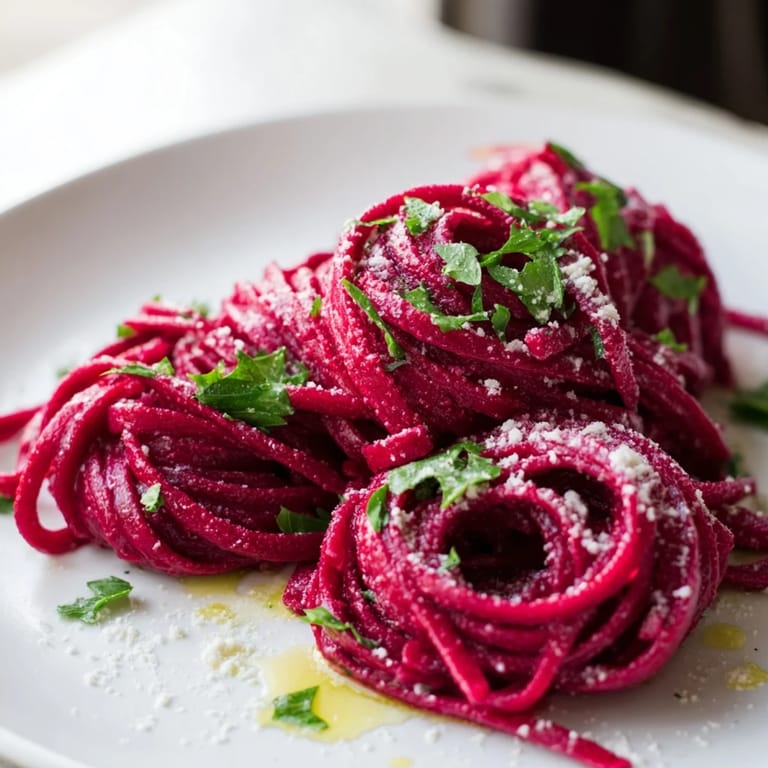
Save There's something magical about watching someone taste beet pasta for the first time and seeing them realize the color isn't artificial or food coloring but actually comes from the ingredient itself. It changes how they eat it, makes them more present and curious about where their food comes from.
Understanding Beet Behavior in Dough
Beets are about 90 percent water, which sounds like a problem until you realize it's actually a gift. That moisture means your dough will feel softer and more forgiving than traditional pasta, less likely to crack or tear as you work with it. The key is trusting the process and not adding flour reflexively every time the dough sticks; if you do, you'll end up with something dense and tough instead of tender and silky.
Timing and Temperature Matter
I learned the hard way that undercooked roasted beets have a grainy texture that won't puree smoothly no matter how long you blend them. The oven time can vary depending on the size of your beet and how your oven runs, so start checking at 45 minutes and give it the full hour if needed. Room temperature eggs also blend into the dough more evenly than cold ones, so pull them out of the fridge while your beet roasts.
Serving and Flavor Building
The beet's flavor is gently earthy and slightly sweet, which means it plays beautifully with bold accompaniments like brown butter and sage, or a squeeze of fresh lemon juice to brighten everything up. I've also served it with a simple cream sauce infused with thyme, and the herbs somehow deepen the beet's natural character instead of overshadowing it. Don't feel obligated to stick with these suggestions though; trust your instincts and build a sauce around what sounds good to you.
- Brown butter with crispy sage leaves brings out the earthiness and adds a nutty richness that feels luxurious.
- A light lemon cream sauce keeps things fresh and prevents the dish from feeling too heavy.
- Even just good olive oil, fresh herbs, and shaved Parmesan will let the pasta itself shine.
 Save
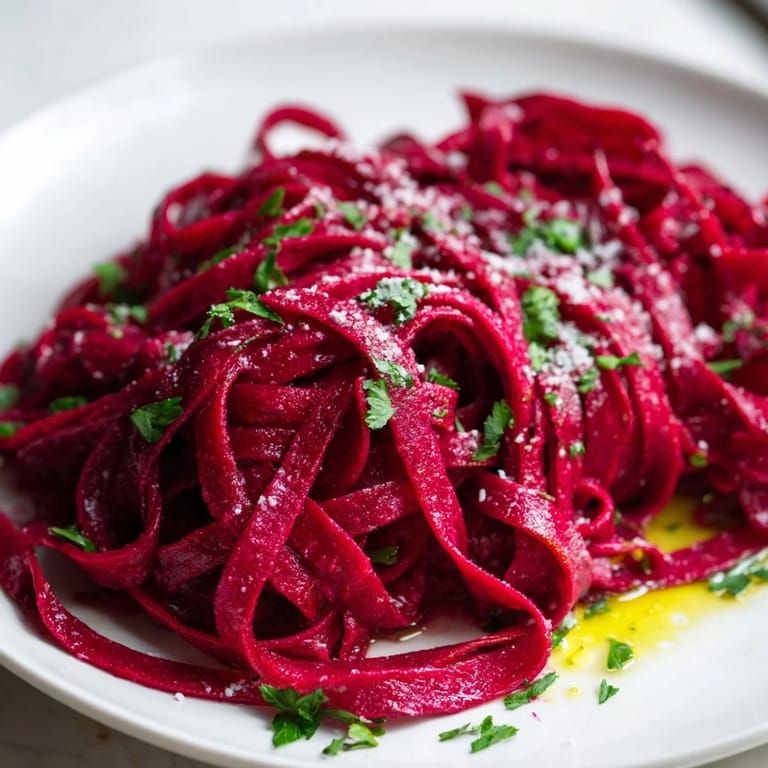
Save Making this pasta taught me that sometimes the most impressive dishes come from the simplest idea: taking something you already love and asking what happens if you change just one thing. Every time I make it now, someone asks for the recipe, and I love getting to share not just the instructions but the story of how it came to be.
Recipe FAQs
- → How do I roast beets for this pasta?
Wrap trimmed, scrubbed beets in foil, drizzle with olive oil, and sprinkle with salt. Roast at 400°F for 45–60 minutes until fork-tender. Cool slightly before peeling the skin away easily.
- → Can I make this pasta vegan?
Yes. Replace the 2 eggs with 1/4 cup water and 1 tablespoon olive oil mixed together. This creates a workable dough with similar results.
- → How long should the dough rest?
After kneading, wrap the dough in plastic wrap and let it rest at room temperature for 30 minutes. This allows the gluten to relax and makes rolling easier.
- → What's the ideal pasta thickness?
Roll the dough to about 1–2 mm thickness using a pasta machine or rolling pin. This ensures even cooking and proper al dente texture when boiled.
- → How can I intensify the beet flavor?
Add more roasted beet puree to the dough for deeper color and stronger beet flavor. Adjust the flour proportionally to maintain proper dough consistency if adding extra puree.
- → What sauces pair well with beet pasta?
Simple preparations work best—try brown butter with fresh sage, light lemon cream, or a delicate olive oil drizzle with herbs. These allow the beet's natural sweetness to shine.