 Save
Save My neighbor brought over a box of pressed pansies one April afternoon, fresh from her garden project, and casually mentioned she'd been saving them for something special. That question hung in the air until I realized: a cake worthy of those delicate flowers. What started as idle curiosity became an obsession with creating something light enough to let those blooms shine, not compete with them. This vanilla cake emerged from that afternoon conversation, and now whenever spring arrives, I find myself hunting for edible flowers and pressing them between old cookbooks.
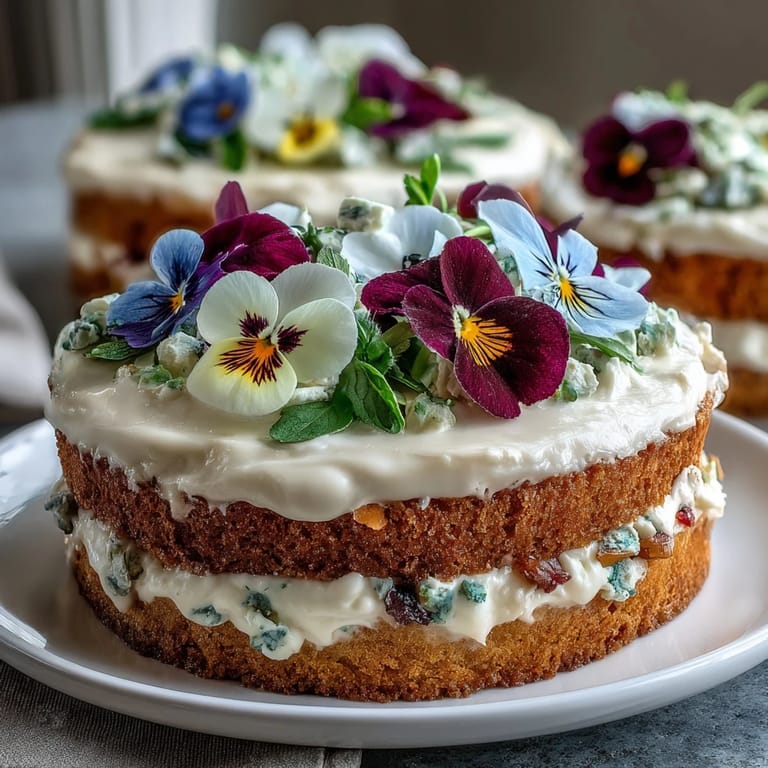
I made this for my sister's baby shower on a Saturday morning when everything felt slightly chaotic until I pulled it from the oven. The kitchen filled with that warm vanilla smell that somehow makes everything seem manageable, and by the time I'd piped the frosting and pressed those violets onto the sides, the whole day shifted. People kept asking if I'd ordered it from somewhere fancy, and I loved having a secret about how simple it actually was.
Ingredients
- All-purpose flour (2 1/2 cups): The foundation here—make sure it's fresh and if you have time, sift it even though it feels old-fashioned, because it truly makes the crumb lighter.
- Baking powder (2 1/2 tsp): This is what gives you that tender, almost cloud-like texture, so don't skip the sifting step with the flour.
- Salt (1/2 tsp): Just a pinch to make the vanilla sing without tasting salty.
- Unsalted butter (1 cup, softened): Room temperature is non-negotiable here—cold butter won't cream properly and you'll miss that fluffy foundation.
- Granulated sugar (1 3/4 cups): Creaming this with the butter for a full 3-4 minutes incorporates air that makes the cake rise beautifully.
- Eggs (4 large, room temperature): This matters more than you'd think—cold eggs won't incorporate smoothly and your batter becomes grainy.
- Pure vanilla extract (1 tbsp): The star flavor here, so use real vanilla, not the imitation version.
- Whole milk (1 cup, room temperature): Alternating with flour keeps the batter balanced and prevents overmixing.
- Heavy whipping cream (2 cups, cold): For frosting—keep everything chilled or it breaks into grainy butter.
- Powdered sugar (1/2 cup): Dissolves into the cream more smoothly than granulated sugar would.
- Pressed edible flowers (1/2–1 cup): Violets, pansies, nasturtiums, and rose petals all work beautifully—press them between parchment and heavy books for 24 hours minimum.
- Fresh mint leaves (optional): A whisper of green between the flowers adds sophistication without overwhelming the palette.
Tired of Takeout? 🥡
Get 10 meals you can make faster than delivery arrives. Seriously.
One email. No spam. Unsubscribe anytime.
Instructions
- Prepare your stage:
- Heat your oven to 350°F and grease those cake pans like your life depends on it—parchment paper on the bottom prevents sticking and makes you feel like a professional. You'll have two pans ready and waiting while you mix, which means no rushing later.
- Combine dry ingredients:
- Sift the flour, baking powder, and salt together and set it aside—this aeration step is what separates a dense cake from one that's genuinely fluffy. Trust the sifting even though it seems fussy.
- Cream the butter and sugar:
- Beat them together for a full 3-4 minutes until the mixture looks pale and almost mousse-like, which means you've incorporated enough air for rise. Stop and scrape down the bowl halfway through because stubborn butter hides at the bottom.
- Add eggs one at a time:
- After each egg, mix just until combined—this takes maybe 20 seconds per egg, not more. The batter will look slightly broken and lumpy, and that's exactly right.
- Alternate flour and milk:
- Start with flour, then milk, then flour again, ending with flour—this alternating method prevents overmixing which toughens the crumb. Mix just until you don't see dry flour streaks, then stop immediately.
- Divide and bake:
- Pour batter evenly between pans, smooth the tops gently, and bake for 30-35 minutes until a toothpick comes out clean. The kitchen will smell incredible around minute 25, but resist opening the oven door.
- Cool with patience:
- Let the cakes sit in their pans for 10 minutes—this prevents them from collapsing—then turn them out onto wire racks to cool completely. This step takes time but it's non-negotiable if you want a cake sturdy enough for frosting.
- Make the frosting:
- While cakes cool, beat cold heavy cream with powdered sugar and vanilla until you see stiff peaks form—this takes about 3-4 minutes with an electric mixer. Stop just before it becomes grainy butter, which happens faster than you'd expect.
- Layer and frost:
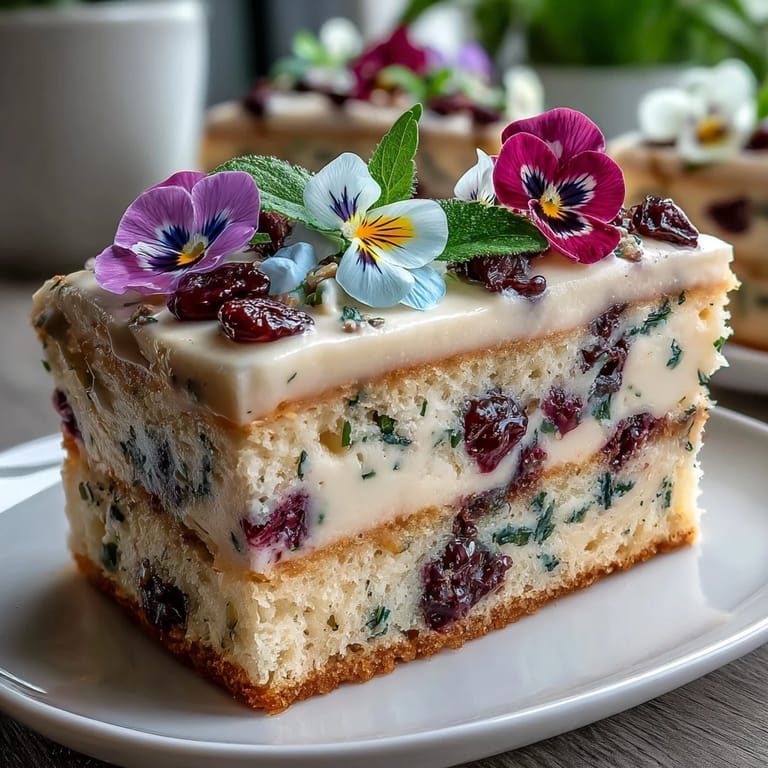
- Once cakes are completely cool, place one layer on your serving plate, spread a generous layer of whipped cream on top, then crown it with the second layer. Frost the top and sides with remaining cream, and if it gets warm, chill it for 10 minutes to firm up.
- Press flowers and chill:
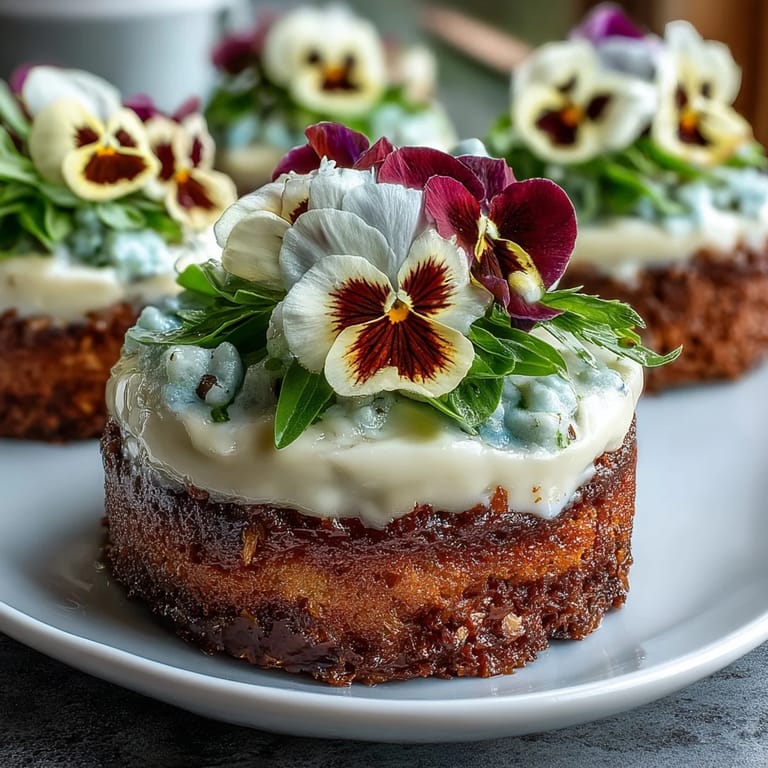
- Gently press your dried flowers onto the sides and top of the cake—they should stick to the cold frosting without much effort. Refrigerate for at least 30 minutes so everything sets and the flowers adhere properly.
 Save
Save My mom once tried to make this without pressing the flowers first and they just slid off the frosting like they were on ice. She laughed about it but then pressed some roses overnight and tried again, and watching her carefully position each petal was its own kind of meditation. That's when I understood this cake isn't really about vanilla or whipped cream—it's about slowing down long enough to appreciate something beautiful.
Sourcing Edible Flowers That Actually Work
Not every flower you see is safe to eat, and this matters more than you'd think. Organic growers or specialty food shops are your best bet, or if you're growing your own, make absolutely certain nothing's been sprayed. I learned this the hard way after buying flowers from a regular florist that were coated in preservatives—they looked pretty but tasted like chemicals and I had to scrap the whole cake.
The Science Behind Pressing Flowers
Pressing flowers removes moisture, which prevents them from wilting or transferring water to your frosting. The weight of heavy books for 24 hours flattens them naturally, preserving color and delicate structure. I keep mine pressed in old cookbooks because they're heavy enough and it feels poetic having recipe books help create edible art.
Timing and Storage Strategies
You can bake the cake layers a day ahead and wrap them tightly in plastic wrap—they actually stay moister that way. The whipped cream frosting should be made the day of, though you can press your flowers weeks in advance and store them flat in a cool, dry place. This means you can spread the work across multiple days, which honestly makes the whole project feel less overwhelming.
- Bake cakes up to 24 hours ahead and keep them wrapped at room temperature for softest texture.
- Pressed flowers last for weeks in a cool closet between parchment paper, so don't stress about timing.
- Frosted cake lasts 2-3 hours at room temperature or 4-5 hours refrigerated before the frosting softens.
 Save
Save This cake taught me that sometimes elegance isn't about complexity—it's about giving yourself time to notice beautiful things and then sharing them with people you care about. Every spring when edible flowers start blooming again, I remember those afternoons pressing petals and baking in my kitchen, and I know exactly what I'm making.
Recipe FAQs
- → How do I prepare the pressed edible flowers?
Press flowers between parchment paper under heavy books for at least 24 hours to fully dry and flatten them for decoration.
- → Can I add flavors to the cake batter?
Yes, a touch of lemon zest can be added for a citrusy note that complements the vanilla base.
- → How should I store the finished cake?
Keep the cake chilled to maintain the whipped cream frosting and preserve the delicate freshness of the pressed flowers.
- → What tools are needed to make this cake?
An electric mixer, round cake pans, mixing bowls, spatulas, and a wire rack are needed for preparation and assembly.
- → Are the flowers safe to eat?
Only use organically grown, pesticide-free flowers that are confirmed edible, such as violets, pansies, or rose petals.