 Save
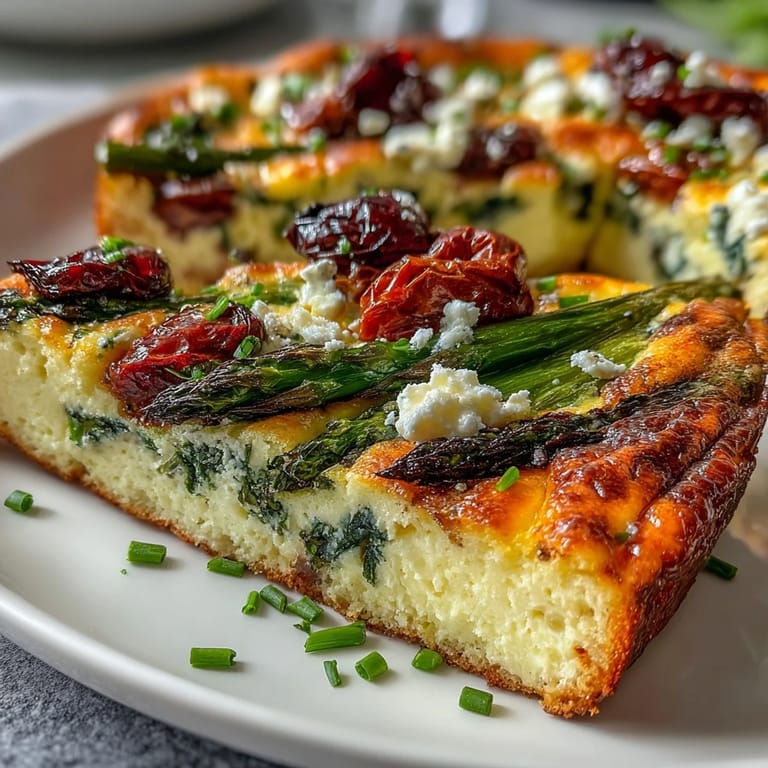
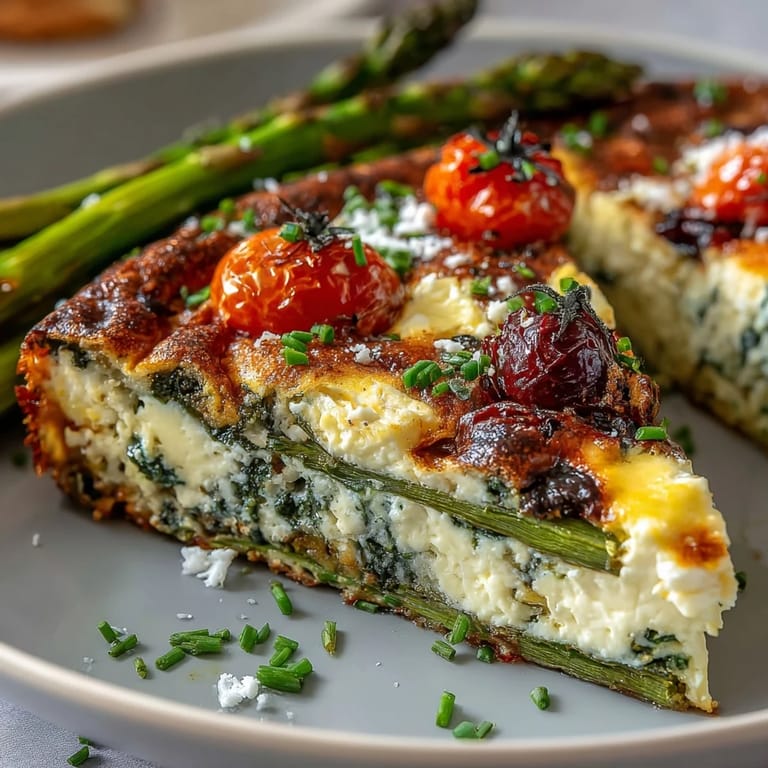
Save Chopping a bunch of colorful vegetables on a bright spring morning, I felt a surprising sense of calm that usually slips away during busy holiday prep. The ring of eggs cracking on the side of my mixing bowl always reminds me of quiet anticipation before a houseful of guests arrives. What started as an attempt to simplify Easter brunch—no frantic flipping, just one big pan—turned into a flavorful tradition. This sheet pan frittata is packed with the green, yellow, and red of the season, and comes together faster than the coffee finishes brewing. It's the kind of dish that lets everyone linger around the table a little longer.
One chilly April, my nephew insisted on helping, carefully placing cherry tomato halves like little polka dots across the pan. We giggled about making “veggie art,” and his proud announcement at brunch earned at least three reluctant-brother bites from the pickiest eater. That year, laughter mingled with the scent of baked eggs and fresh herbs, and I realized this frittata was as much about making memories as about feeding a crowd. Even now, I can hear the kitchen timer ding and see small hands reaching for seconds. It’s understated dishes like this that stick with you.
Ingredients
- Asparagus: Those snappy green stalks bring crunch and a grassy flavor—snap off the woody ends before chopping for best texture.
- Cherry tomatoes: Their sweetness pops in every bite; halving them keeps them from rolling away and helps them roast perfectly.
- Bell peppers: Red and yellow add sweetness and color—choose firm ones for juiciness.
- Baby spinach: A handful of chopped leaves melt right into the eggs, adding color and a healthy boost without dominating the flavor.
- Red onion: Thin slices soften and sweeten quickly in the pan, making each square more flavorful.
- Large eggs: The real star, lending fluffed volume and setting the frittata.
- Whole milk: Makes the eggs creamier; if you swap for plant milk, go unsweetened and unflavored.
- Feta cheese: Tangy and salty crumbles melt into creamy pockets—goat cheese swaps in beautifully too.
- Parmesan cheese: A sharp, nutty note and golden top—grate it fresh if you can.
- Olive oil: Helps sauté veggies and adds a subtle fruitiness.
- Fresh chives: Their mild onion flavor brightens the egg mixture.
- Fresh parsley: A pop of green flavor that’s never overwhelming—add just before baking.
- Salt: Essential for pulling out vegetable flavor—season the eggs generously.
- Black pepper: Freshly ground adds a gentle heat that's subtle but important.
- Smoked paprika (optional): Just a pinch brings smoky intrigue—try it for a twist.
Tired of Takeout? 🥡
Get 10 meals you can make faster than delivery arrives. Seriously.
One email. No spam. Unsubscribe anytime.
Instructions
- Prep the pan and oven:
- Set your oven to 400°F 200°C and line or grease a rimmed sheet pan so nothing sticks. The smell of olive oil as it warms always reminds me the meal is about to begin.
- Whisk the eggs:
- Crack all twelve eggs into a large bowl, pour in the milk, salt, pepper, and paprika, and whisk until the mixture is airy and smooth—listen for the gentle swoosh of the whisk.
- Add cheese and herbs:
- Stir in the crumbled feta, Parmesan, chives, and parsley; the herbs will float up and fragrance your kitchen right away.
- Sauté the veggies:
- In a skillet over medium heat, warm the olive oil and add asparagus, bell peppers, and red onion; stir for 3–4 minutes until just tender, then toss in spinach until it just wilts and makes everything glossy.
- Layer on the sheet pan:
- Spread the warm veggies and cherry tomato halves over the prepared pan—a little scatter looks inviting, not fussy.
- Pour and level the eggs:
- Pour the egg mixture gently so it reaches all the edges, nudging veggies as needed for evenness, then give the pan a tiny shake to settle everything.
- Bake:
- Pop into the oven and bake for 22–25 minutes; you’ll know it’s ready when it puffs and turns golden at the edges, filling the kitchen with a savory aroma.
- Cool and serve:
- Give it a five-minute rest, then use a sharp knife to slice squares; serve warm alongside fresh fruit or at room temp if the morning gets away from you.
 Save
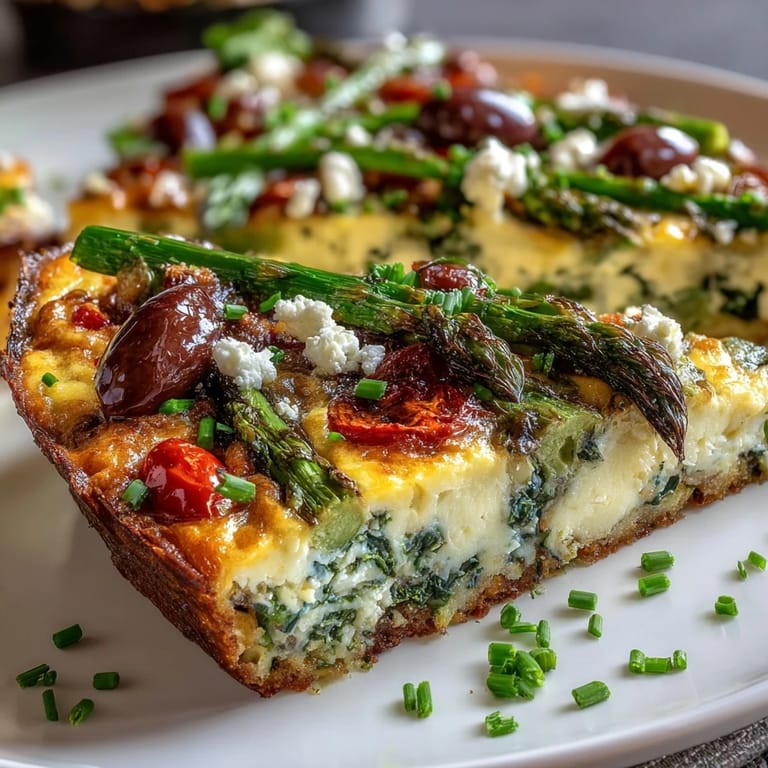
Save Once I brought out a golden tray of this frittata, and an impromptu toast erupted around the table simply because it looked that inviting. Watching my friends reach for seconds while debating their favorite vegetable “bite” made the whole process feel less like cooking and more like hosting a party in the kitchen.
Swapping in Seasonal Veggies
Trying this recipe with whatever crisp vegetables are in the crisper drawer keeps it exciting every spring. Zucchini ribbons, green peas, or even a handful of leftover roasted veggies work beautifully and bring their own twist—just make sure to cook anything with lots of moisture before adding. The sheet pan’s large surface lets everything roast instead of steam, intensifying both colors and flavors.
Effortless Clean-Up
The best part after a good brunch is not facing a parade of dirty skillets. Using parchment paper or good olive oil under the frittata means cleanup truly is just peeling off the paper and a quick wipe—leaving plenty of time to enjoy coffee and conversation. I learned early on to set everything out before starting, which somehow keeps even holiday chaos at bay.
Making It Ahead and Keeping It Fresh
This frittata handles being made the night before like a champ, staying fluffy and flavorful in the fridge. To reheat, just pop it in a low oven or microwave for a quick warm up, though it tastes wonderful at room temperature too.
- Add a sprinkle of fresh herbs right before serving for a flavor boost.
- Leftovers make a great filling for breakfast sandwiches or wraps.
- If you want extra color, tuck a few more tomatoes on top before baking.
 Save
Save Let this frittata bring color and ease to your spring table—it’s proof that cooking together can be the most joyful part of any gathering. Enjoy every slice and all the unexpected stories that come with it.
Recipe FAQs
- → How do I prevent a soggy finish?
Cook water-heavy vegetables longer to release and evaporate moisture before assembling. Halve or drain juicy tomatoes and avoid overcrowding the pan. A hot oven helps set eggs quickly, reducing sogginess.
- → Can this be made ahead and stored?
Yes. Cool completely, cover and refrigerate for up to 3 days. Reheat slices in a 325°F oven until warmed through, or gently microwave single portions. Leftovers also freeze well for up to a month—thaw overnight before reheating.
- → What pan and oven settings are best?
Use a rimmed 18x13-inch sheet pan lined with parchment for even cooking and easy slicing. Preheat oven to 400°F and bake 22–25 minutes until puffed, golden and set in the center.
- → How can I keep the frittata fluffy?
Whisk eggs until slightly frothy to incorporate air, use room-temperature eggs if possible, and avoid overbaking. Let the pan rest briefly after baking to finish setting without drying out.
- → What are good substitutions for ingredients?
Swap seasonal vegetables like zucchini, peas or artichoke hearts for the listed veg. Use goat cheese or shredded cheddar instead of feta. For dairy-free options, choose plant-based milk and dairy-free crumbles.
- → Can I make smaller or individual portions?
Yes. Reduce cook time for smaller pans and monitor until set. For individual portions, use a muffin tin or small baking dishes and adjust baking time until centers are firm.