 Save
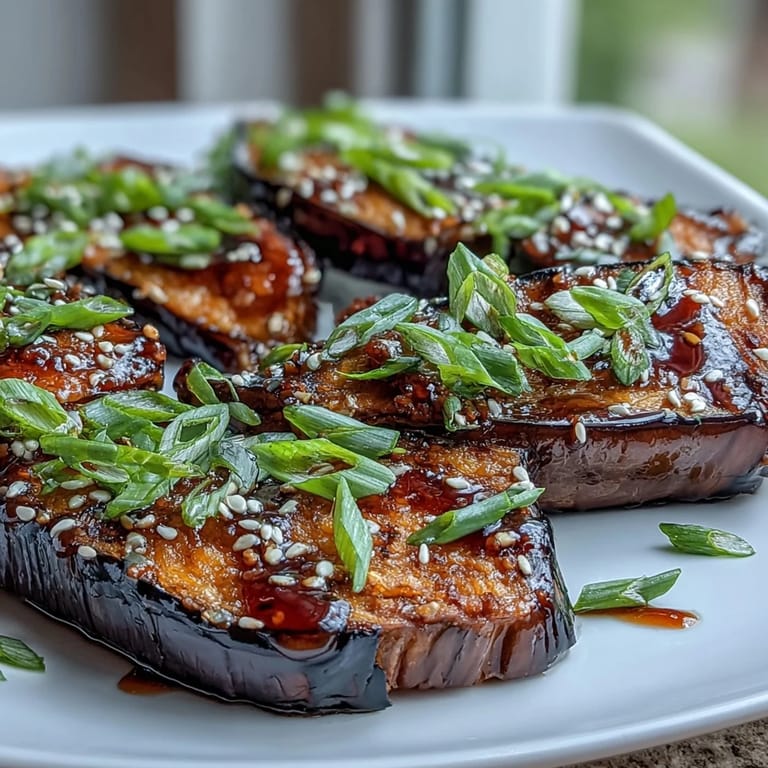
Save The scent of caramelizing miso always takes over the kitchen before you even slide the eggplant under the broiler. Once, I remember hearing that first promising sizzle as I brushed on the glaze, and instantly knew something special was about to happen. It’s not a dish I grew up with, but the thrill of turning humble eggplant into a main event felt like a minor kitchen revelation. The whole process is surprisingly calming—the quiet of scoring, brushing, and waiting for the bubbling finish. If you’re craving umami without fuss, this Miso Glazed Eggplant is low effort but somehow feels like a little culinary magic every time.
The last time I made this, I was prepping dinner while chatting with my neighbor through the open window—she asked what smelled so good, and I ended up passing her a plate over the sill. There’s something grounding about sharing a dish hot from the oven, especially one with such vibrant color and aroma. It’s the kind of meal that quietly brings people together, even when you hadn’t planned to share.
Ingredients
- Eggplants: Choose ones that feel heavy for their size and have shiny skin—they’ll roast into creamy perfection and hold their shape well under the glaze.
- White miso paste: Shiro miso is milder and just sweet enough; I found darker miso makes the glaze too salty here.
- Mirin: The subtle sweetness rounds out the glaze, but if you’re out, rice vinegar plus a bit of sugar works in a pinch.
- Sake: Adds depth and a gentle aroma—don’t worry, the alcohol cooks off.
- Sugar: I like to use a light hand so the natural sugars in eggplant aren’t overshadowed.
- Soy sauce: This brings balance and saltiness, but tamari will keep it gluten-free.
- Sesame oil: Brushing it on the eggplant before roasting infuses a toasty flavor you’ll notice with each bite.
- Toasted sesame seeds: Not just for looks—the crunch adds a subtle nuttiness.
- Green onions: Sprinkle just before serving for a fresh, sharp finish and a pop of color.
Tired of Takeout? 🥡
Get 10 meals you can make faster than delivery arrives. Seriously.
One email. No spam. Unsubscribe anytime.
Instructions
- Get Your Oven Ready:
- Preheat to 400°F (200°C) and line a baking sheet so cleanup is a breeze.
- Score the Eggplant:
- Use a sharp knife to cut a crosshatch pattern into the flesh—don’t rush, and stop before piercing the skin to create neat little pockets for the glaze.
- Slick and Roast:
- Brush the cut sides liberally with sesame oil, arrange on your sheet cut side up, and slide them into the oven until the eggplant looks golden and yields easily to a fork—about 25 minutes.
- Mix Up the Glaze:
- While the roasting works its magic, stir miso, mirin, sake, sugar, and soy sauce in a small saucepan over low heat until silky and thick enough to coat the back of a spoon.
- Glaze and Broil:
- Generously spread the warm miso sauce over the tender eggplants, then return them under the broiler until the glaze is bubbling and edges begin to brown—watch closely, it darkens quickly.
- Garnish and Serve:
- Transfer to your favorite platter, scatter with sesame seeds and green onions, and serve up while still warm and glossy.
 Save
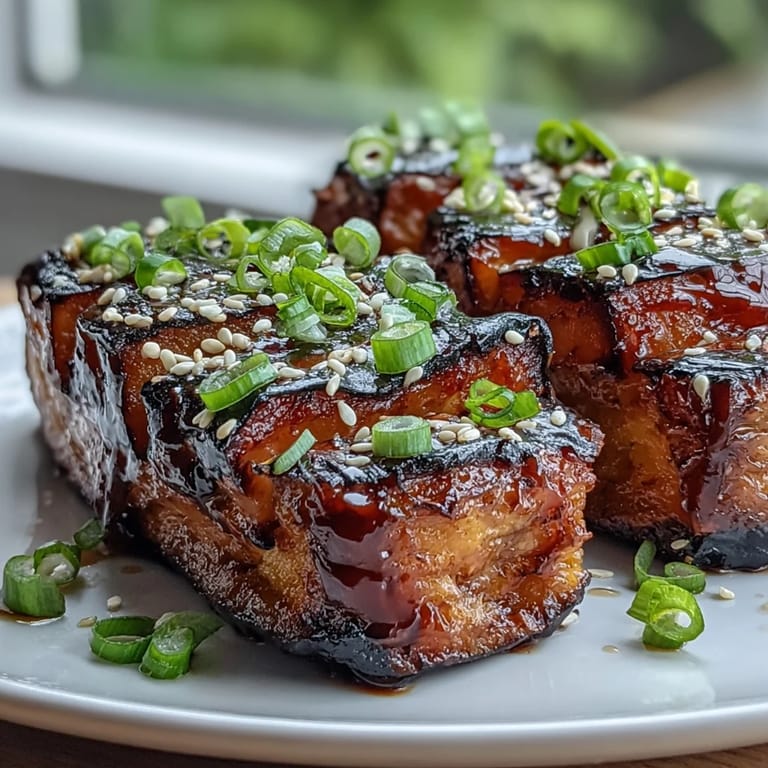
Save Sometime in early spring, I brought a platter of these miso-glazed beauties to an outdoor potluck and watched people sneak second helpings with big, satisfied smiles. It always feels like a little win when a vegetable dish disappears first.
Choosing the Best Eggplant
The best eggplants are firm but not rock hard and should have smooth, glossy skin free from blemishes or bruises. I’ve noticed smaller ones tend to have fewer seeds and are less bitter, so grab those if you see them at the market.
Glaze Consistency Secrets
If ever your miso glaze looks too thick, a splash of water can thin it out without diluting the flavor. Stir gently over low heat until just right—it should glide smoothly off a spoon and coat the eggplant without sliding off.
Creative Serving Suggestions
This dish isn’t just for rice bowls—try it alongside a crisp salad or as an umami-rich taco filling. When serving family style, I like to cut the roasted eggplant into easy-to-grab wedges.
- If making for a crowd, double the glaze so every piece is lavishly coated.
- Leftovers reheat nicely—just use a low oven for a few minutes.
- Don’t forget to add extra fresh green onions before serving for a perfect contrast.
 Save
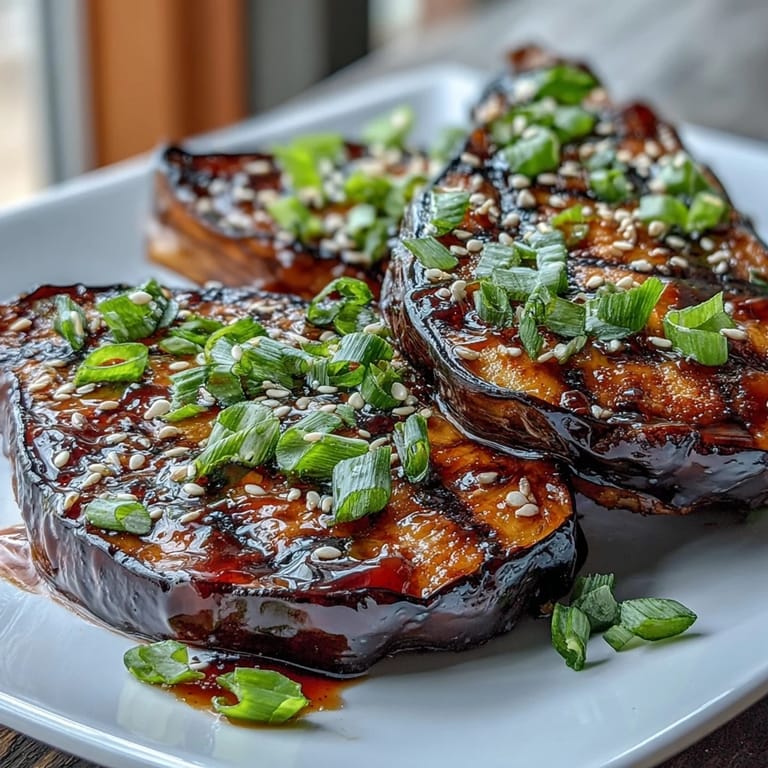
Save If there’s one thing I love about this recipe, it’s how a few humble ingredients can transform into something so memorable. I hope it brings a little spark of delight to your own table.
Recipe FAQs
- → What miso is best for the glaze?
White miso (shiro) is ideal for a milder, sweet-savory balance that caramelizes nicely. Red miso will give a deeper, saltier character—adjust sugar accordingly.
- → How do I prevent the eggplant from getting soggy?
Score the flesh and roast cut side up so moisture evaporates. A light brush of sesame oil helps browning without making the flesh waterlogged; high initial heat aids caramelization.
- → Can I broil instead of roasting to finish the glaze?
Yes. After spreading the glaze, broil on high for 3–5 minutes until bubbling and caramelized. Watch closely to avoid burning, rotating the pan if needed for even caramelization.
- → What are good garnish and serving options?
Toasted sesame seeds and finely sliced green onions add texture and brightness. Serve warm over steamed rice or with other Japanese-style sides to complement the umami glaze.
- → How can I adapt this for gluten-free or vegan needs?
Use tamari in place of soy sauce for gluten-free. Check miso and sake labels for vegan suitability; many are vegan-friendly but always verify ingredients and processing.
- → How should leftovers be stored and reheated?
Cool to room temperature, then refrigerate in an airtight container for up to 3 days. Reheat gently in a low oven or under a broiler briefly to revive the glaze’s caramelized surface.