 Save
Save My neighbor's daughter came home with her diploma, and I found myself standing in her kitchen at 6 PM with flour on my hands and absolutely no cake to show for her party starting at eight. There's something about sheet cakes that makes you feel like you're both cheating and winning at the same time—they're honest, they're generous, and they never fail you when you're in a pinch. This vanilla cake with buttercream frosting became my graduation emergency solution, but it stuck around because it tastes like celebration tastes: buttery, straightforward, and somehow exactly what everyone wanted.
I'll never forget the moment the graduate's little brother declared it "actually good, not just emergency good," and honestly, that's when I knew this was the one. The cake came out of the oven with that perfect golden dome, and even though my piping looked like what a toddler might attempt, nobody cared—they were too busy reaching for seconds. That's when I realized the best cakes aren't the ones that look magazine-perfect; they're the ones that show up when you need them and taste like you were thinking of someone the whole time you made them.
Ingredients
- All-purpose flour (2 ½ cups): Room temperature flour mixes more evenly and creates a tender crumb—if it's cold from the pantry, let it sit out for a few hours or just sift it extra well.
- Baking powder (2 ½ tsp): This is what gives the cake its gentle rise; measure it level with a knife, don't press it down into the measuring spoon.
- Salt (½ tsp): Brings out the vanilla and balances the sweetness in ways you won't notice until it's missing.
- Unsalted butter (1 cup for cake, 1 cup for frosting): Cold or room temperature matters more for frosting than cake, but soften everything ahead of time if you can.
- Granulated sugar (1 ¾ cups): Creaming this properly with butter for three full minutes is worth the time—that's where the tender texture comes from.
- Eggs (4 large, room temperature): Cold eggs won't incorporate smoothly and you'll end up with a denser cake; pull them out thirty minutes before baking.
- Vanilla extract (1 tbsp cake, 2 tsp frosting): Use real vanilla if you can; the imitation works, but real vanilla tastes like it's doing something important.
- Whole milk (1 cup cake, ¼ cup frosting, room temperature): Warm milk blends better than cold and keeps your batter from seizing up when it hits the butter and sugar.
- Powdered sugar (4 cups, sifted): Sift it even if the bag says presifted—lumps in frosting are a real problem and sifting takes two minutes.
- Food coloring: Gel coloring is stronger than liquid so you use less and don't thin out your frosting, but whatever you have on hand works.
Tired of Takeout? 🥡
Get 10 meals you can make faster than delivery arrives. Seriously.
One email. No spam. Unsubscribe anytime.
Instructions
- Get Your Oven Ready:
- Preheat to 350°F while you gather your ingredients—a 9x13-inch pan lined with parchment paper makes cleanup feel less like a punishment and getting the cake out whole actually possible.
- Mix Your Dry Ingredients:
- Whisk flour, baking powder, and salt together in a medium bowl; this little step prevents lumps that would hide in your cake and ruin the texture later.
- Cream Butter and Sugar:
- Beat them together in a large bowl for a full three minutes until it looks pale and fluffy—this incorporates air that makes the cake tender instead of dense. Your mixer will do the heavy lifting here.
- Add Eggs One at a Time:
- After each egg, beat well so the mixture stays smooth and creamy; adding them all at once creates a broken-looking batter that bakes unevenly.
- Mix in the Vanilla:
- A tablespoon of vanilla extract goes in after the last egg and before the flour, just blending it in until you smell that sweet vanilla note.
- Alternate Flour and Milk:
- Add the flour mixture and milk in three additions, starting and ending with flour—this keeps the batter smooth instead of separated and weird. Mix just until combined; overmixing toughens the cake.
- Into the Pan:
- Pour everything into your prepared pan and smooth the top with a spatula so it bakes evenly.
- Bake Until Golden:
- The cake is done when a toothpick in the center comes out clean and the edges are lightly golden, usually 30 to 35 minutes depending on your oven's mood. Let it cool completely in the pan on a rack before frosting or it will melt and slide everywhere.
- Make the Frosting:
- Beat softened butter until creamy, then gradually add sifted powdered sugar so you don't create a flour cloud in your kitchen. Add milk, vanilla, and salt, then beat for three to five minutes until it's light and spreadable.
- Color and Frost:
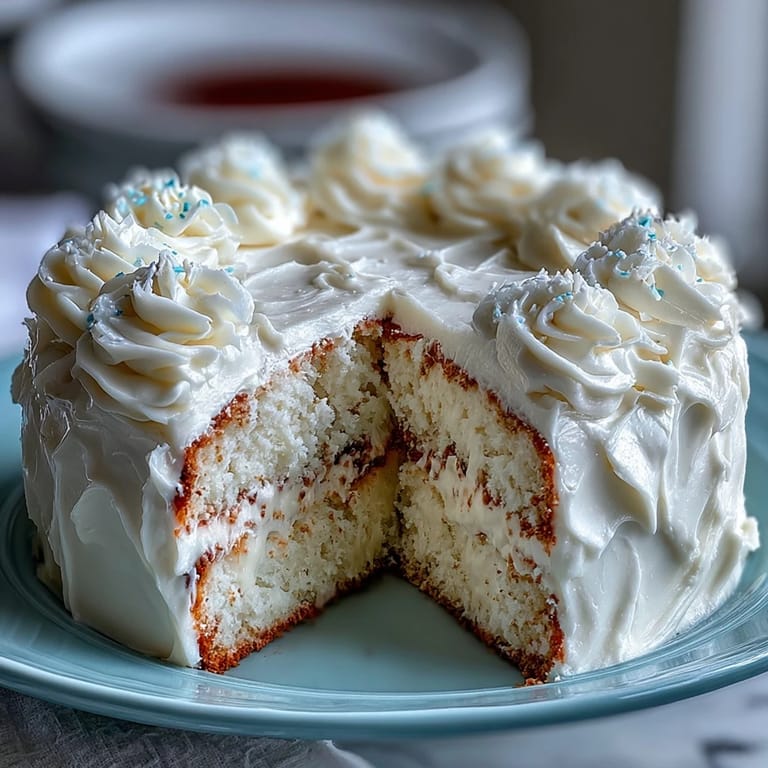
- Divide frosting into portions and tint with food coloring if you want school colors or a celebration theme. Spread an even layer over the cooled cake with an offset spatula or just a regular one.
- Pipe Your Message:
- Put colored buttercream in a piping bag fitted with a small round tip and pipe Class of 2026 across the top; don't stress if it's not perfect because imperfect hand-piped details actually look more homemade and thoughtful.
- Add Your Finishing Touch:
- Scatter sprinkles or edible decorations around the piped message if you want extra celebration on there.
 Save
Save There was a moment when the mom of the graduate squeezed my arm and said the cake tasted homemade, and I realized that's actually the highest compliment anyone can give you in that moment. Sometimes the best thing you can bring to a celebration isn't fancy—it's just something that showed up and tasted like someone cared enough to get it right.
Why Sheet Cakes Are Actually Genius
Sheet cakes aren't the fancy choice, but that's exactly why they work for celebrations. They feed sixteen people without requiring you to level layers or crumb coat anything, and they look intentional on a table whether you're piping something elaborate or just smoothing frosting in a casual way. I've learned that the best cakes for parties are the ones you can make without spending an entire afternoon in the kitchen, which means you're actually able to enjoy the party instead of hiding in the kitchen with buttercream in your hair.
Making This Cake Your Own
The beauty of this recipe is how much room it gives you to make it personal. If vanilla feels too plain, add half a teaspoon of almond extract to the batter for something floral and interesting, or tint the frosting in school colors and pipe whatever message matters. I've made this cake a dozen different ways—with different colors, different decorations, different occasions written on top—and it's always been exactly what it needed to be.
Storage and Make-Ahead Magic
The best part about sheet cakes is how forgiving they are about timing. You can bake it the day before and store it covered at room temperature, or frost it in the morning and let the frosting set in the fridge before a party. The whole thing stays fresh and moist for days covered, though honestly it usually doesn't last that long because people keep sneaking pieces.
- Covered at room temperature, this cake stays fresh for up to two days and the frosting stays soft and spreadable.
- Refrigerated in a covered container, you get up to five days, which is perfect for make-ahead peace of mind.
- You can bake and cool the cake a full day ahead, then frost the morning of your event so everything's fresh.
 Save
Save This cake has become my go-to for any celebration that needs something dependable and delicious. It shows up, it tastes good, and it makes people happy—which is really all a graduation cake needs to do.
Recipe FAQs
- → What makes this sheet cake moist?
The careful balance of butter, sugar, eggs, and whole milk keeps the crumb tender and moist throughout baking.
- → How is the buttercream frosting prepared?
Butter is whipped until creamy, then powdered sugar, milk, vanilla, and salt are gradually added and beaten until fluffy for a smooth finish.
- → Can I customize the piping colors?
Yes, food coloring can be added to portions of the buttercream to create school colors or other vibrant hues for piping decorations.
- → How long should the cake cool before frosting?
The cake should cool completely in its pan on a wire rack to ensure the buttercream sets smoothly without melting.
- → Are there any substitutions for dietary needs?
Non-dairy milk can replace whole milk for dairy-free preferences; verify all ingredients to meet specific dietary requirements.