 Save
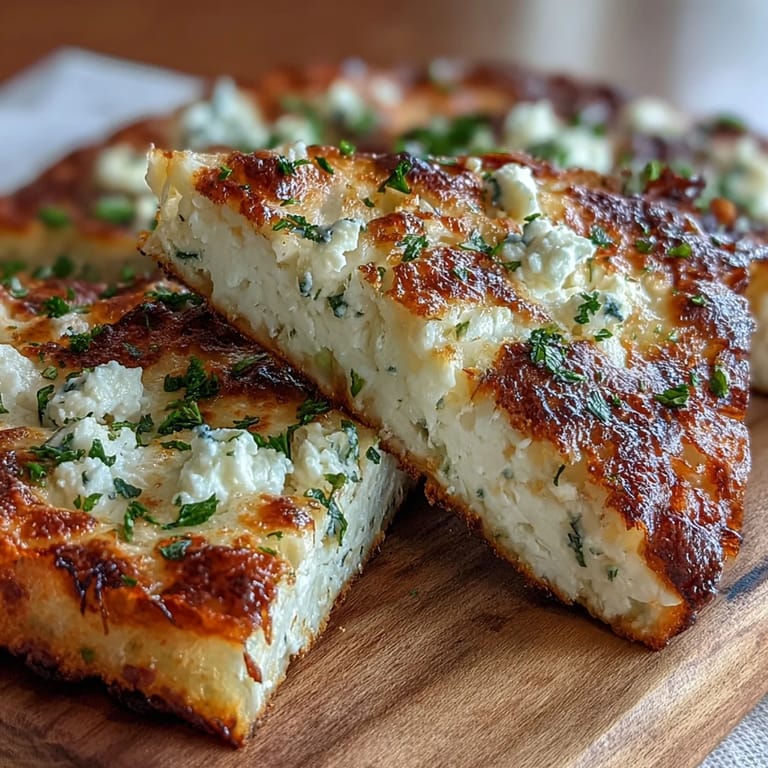
Save The scent of baking cottage cheese is not something I ever expected to fill my kitchen, yet here I was on a rainy Tuesday, curious about the viral flatbread that everyone seemed to be trying. With eggs and cottage cheese as the only essentials, it felt almost suspiciously simple. The subtle sizzle as the batter hit the parchment was oddly satisfying, like making pancakes in reverse. There&aposs something about transforming two humble fridge staples into something utterly new that never gets old. It&aposs become my quick fix for those days when regular bread feels too heavy.
One weekend, my friend dropped by unannounced, and the only things in my fridge were a half-used tub of cottage cheese and a couple eggs. I whipped these up, and we ended up stuffing them with avocado and smoked salmon while chatting at the counter. The flatbreads held together beautifully, even when our conversation got animated (and our wraps slightly overloaded).
Ingredients
- Cottage cheese (1 cup, full-fat or low-fat): Using creamy cottage cheese ensures the flatbread doesn&apost taste rubbery—blend it super smooth so there are no curds left behind.
- Eggs (2 large): The eggs give structure and make everything hold together; room temperature eggs blend easier and give a more even texture.
Tired of Takeout? 🥡
Get 10 meals you can make faster than delivery arrives. Seriously.
One email. No spam. Unsubscribe anytime.
Instructions
- Get your oven and tray set:
- Preheat the oven to 350°F (175°C) and line your baking sheet with parchment paper, smoothing out any creases so your flatbreads release cleanly.
- Blend the base:
- Add the cottage cheese and eggs to a blender or food processor. Blend until the mixture is silky smooth and you can&apost see any cottage cheese bits—about 30 seconds does the trick.
- Shape the flatbreads:
- Pour the blended mixture onto the parchment and use a spatula to spread it into 3–4 rounds or one big rectangle, aiming for about 1/4-inch thickness so it bakes evenly.
- Bake it golden:
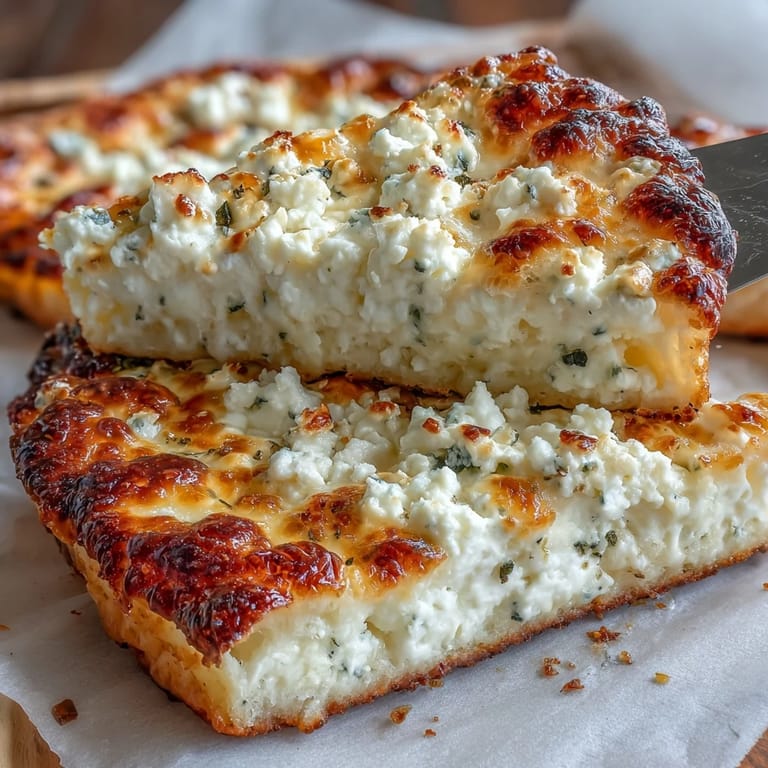
- Slide the tray in the oven and bake for 18 to 22 minutes, until the flatbreads are softly set, pulling away at the edges, and just starting to get a touch golden.
- Cool and serve:
- Let them cool for a few minutes on the tray, then gently peel away the parchment. These are best fresh but stay soft even after cooling.
- Stash the extras:
- If you have leftovers, tuck them into an airtight container in the fridge for up to three days, and reheat in a skillet for a quick revival.
 Save
Save  Save
Save I realized these flatbreads had moved from experiment to essential one evening when my son asked for "the funny cheese pancakes" to use as taco shells. We laughed as he constructed his lopsided tacos, utterly delighted that a viral recipe could fit right into our family routines.
Turning Flatbread Into a Meal
After a few tries, I started using these as a quick pizza base—spreading tomato sauce and cheese made for a fast, protein-packed dinner. They soak up flavors nicely and don&apost get soggy unless you pile on a sauce lake. The mild flavor means you can go classic or creative with toppings.
Getting the Texture Just Right
The trick is to blend longer than you think; over-blending isn&apost really a risk, but stopping too soon leads to lumpy batter. The difference shows up when peeling them off the sheet—no tearing, just smooth flexibility. When in doubt, pulse it a few seconds extra until it&aposs glossy.
Creative Ways to Serve
These flatbreads love a good filling, from roasted veggies to scrambled eggs, or just a simple swipe of hummus. Their flexibility makes them perfect for rolling and folding, and they don&apost fall apart at the first bite.
- If using as wraps, don&apost overfill or they might crack.
- Browning them in a dry skillet for a minute gives a grilled feel.
- Remember, they firm up as they cool, so use them while still slightly warm for maximum pliability.
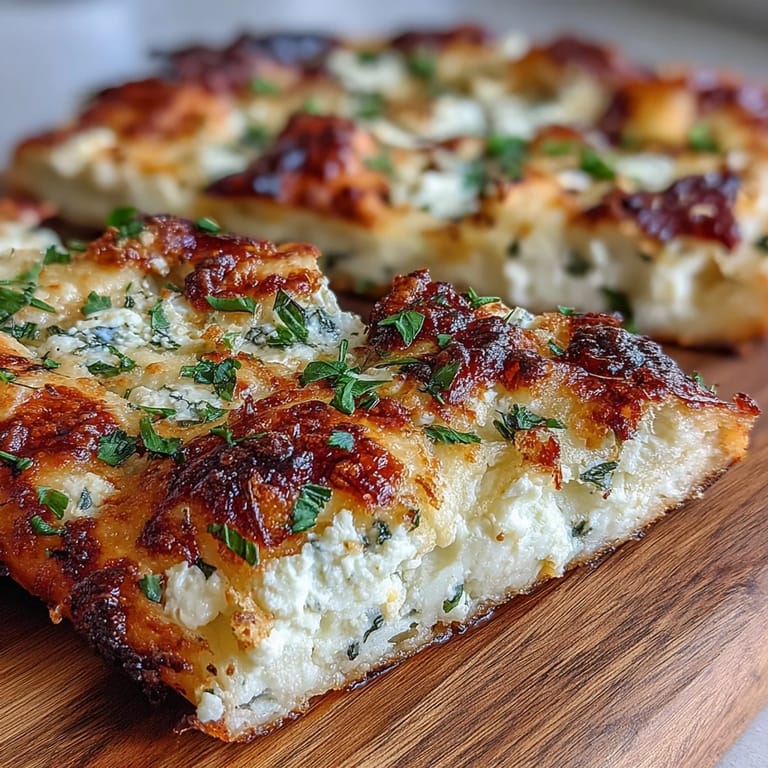 Save
Save 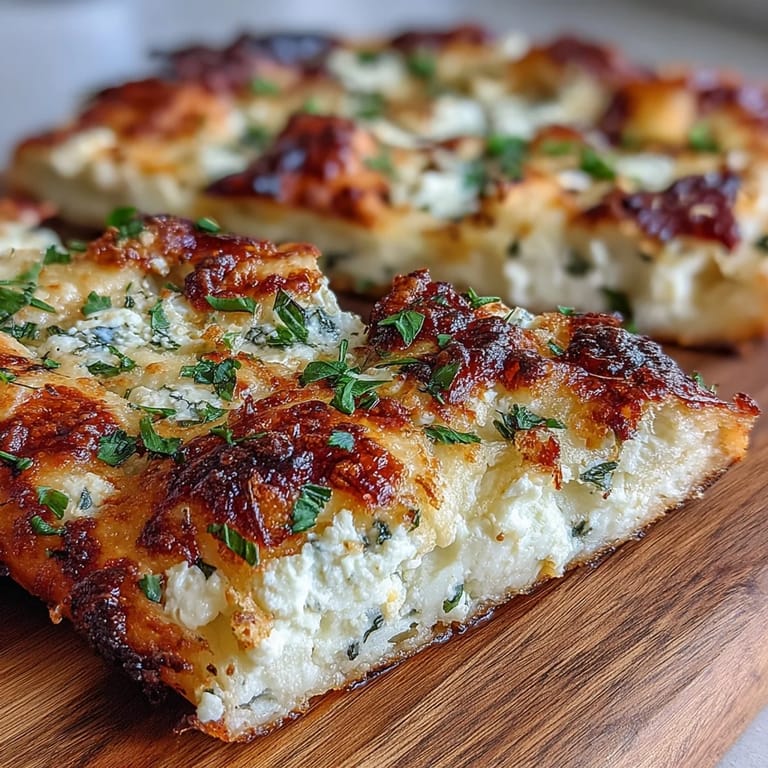 Save
Save It still amazes me how these two basic ingredients can become something this versatile. May your flatbreads be golden, soft, and ready to be filled with whatever you can dream up.
Recipe FAQs
- → How can I make the flatbreads thinner or thicker?
Spread the batter thinner on the parchment for a crispier, more pliable flatbread; keep it slightly thicker for a chewier, sturdier result. Use a spatula to even out the surface and check baking time as thickness changes.
- → Can I make these without dairy?
Use a dairy-free cottage-cheese alternative or a well-drained tofu blend, though texture will vary. Expect a slightly different crumb and flavor; adjust seasoning to compensate.
- → How should I store and reheat leftovers?
Keep cooled flatbreads in an airtight container in the fridge for up to 3 days. Reheat briefly in a hot skillet for best texture, or warm in the oven until pliable.
- → Will they hold toppings like a pizza?
Yes—bake until set and lightly golden so they lift easily from the parchment. For wet toppings, par-bake longer to reduce sogginess, then add toppings and finish under a broiler if needed.
- → Can I cook them on the stovetop instead of baking?
Yes. Spoon thin rounds into a preheated nonstick skillet over medium-low heat, cover briefly, and cook until set on each side. Stovetop results can be softer and quicker but watch for sticking.
- → What flavor variations work well?
Stir in dried herbs, garlic powder, onion powder, or grated Parmesan for extra savory notes. Fresh chopped herbs or a pinch of chili flakes add brightness and heat.